


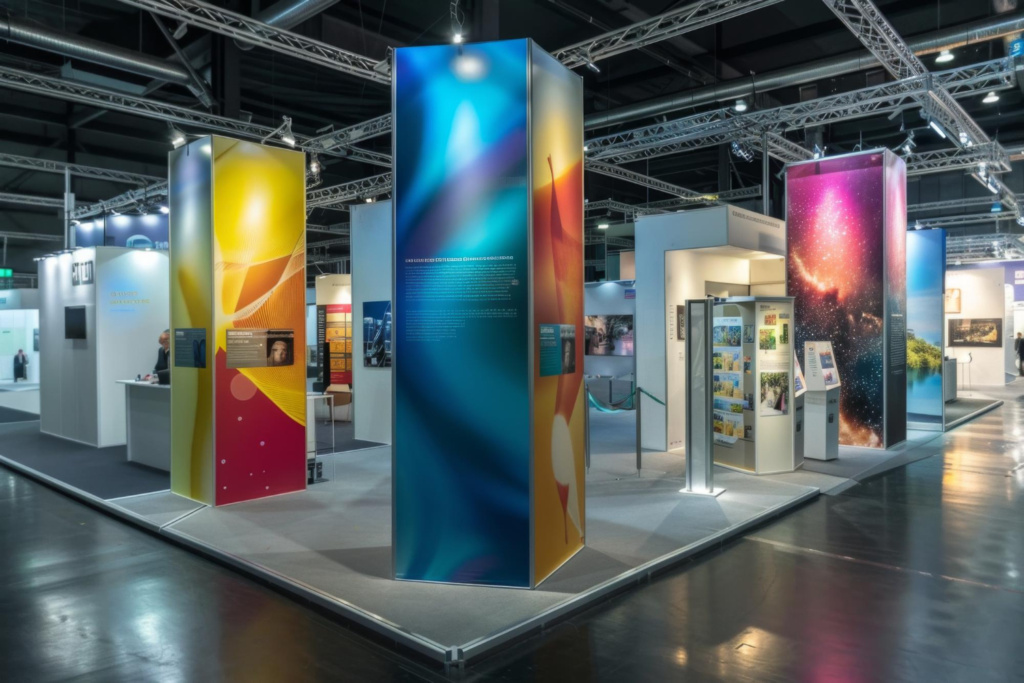
In retail and trade shows, capturing attention is only half the battle—you also need the flexibility to pivot. That’s why brands are moving away from heavy, permanent fixtures toward modular systems. These displays give you the freedom to scale up or down without starting from scratch every time.
The real advantage is how easily they adapt. Whether you’re moving from a massive trade show booth to a small pop-up or a seasonal retail spot, you can reconfigure the same components to fit the space. For companies running multiple events a year, it’s a much smarter way to manage both the budget and the look of the brand.
Key Advantages of Modular Display Solutions
Versatility is the biggest selling point here. Instead of starting from scratch for every show, you just reconfigure what you already have. It significantly slashes long-term costs and makes it easy to maintain a unified brand image, no matter how much the floor plan changes from one venue to the next.
Another advantage is ease of transportation and installation. Modular systems are typically lightweight and designed for quick assembly, minimizing labor costs and setup time. Advanced options such as the modular lightbox display enhance visibility by combining modular construction with internal illumination, helping brands stand out even in crowded exhibition halls.
Durability is also a major factor. High-quality modular components are built to withstand repeated use, making them a reliable investment for businesses that attend events regularly.
Modular Displays in Trade Show Environments
Trade shows demand maximum impact in limited time and space. Modular display solutions allow exhibitors to tailor booth sizes and configurations to match different floor plans and sponsorship levels. Whether it’s a small inline booth or a large island exhibit, modular systems can be adapted accordingly.
Beyond just graphics, modular displays are built to work with the tech you actually use—think integrated screens, shelving, and interactive zones. This makes your booth more than just a backdrop; it becomes a space where people actually want to stop and engage. Plus, you won’t have to worry about ‘red tape.’ These systems are designed to meet standard trade show regulations right out of the box, so approvals and setup are quick and headache-free.
Customization and Brand Consistency Across Multiple Locations
Maintaining a consistent look across different cities and floor plans is tough. Modular systems let you adapt to any venue without diluting your brand. Whether the space is tiny or massive, your core colors and messaging stay front and center, so you never lose your professional edge.
The real benefit is being able to swap graphics or accessories for specific campaigns while the hardware stays the same. You get the freedom to update your message for local markets without losing a cohesive look. It’s the fastest way to stay relevant while keeping your brand instantly recognizable.
For marketing teams, this removes the need to reinvent the wheel for every show. Working within one flexible framework slashes prep time and logistics. It’s a smarter way to ensure every event is perfectly on-brand without the cost and stress of a custom build every time.
Retail Applications and Visual Merchandising
In retail settings, modular display solutions play a crucial role in visual merchandising. Stores need to update layouts frequently to reflect new collections, promotions, or seasonal themes. Modular systems enable quick changes without disrupting store operations.
These displays can be used for window presentations, in-store promotions, and product storytelling zones. Systems based on seg fabric frame technology offer a sleek, seamless appearance while remaining easy to update with new graphics. This makes them particularly popular for brands seeking a clean, modern aesthetic with minimal maintenance.
Retailers also benefit from the ability to reuse components across multiple locations, ensuring brand consistency while reducing production waste.
Sustainability and Long-Term Value
Sustainability is becoming an increasingly important consideration in both retail and exhibition design. Modular display solutions align well with eco-conscious strategies because they reduce the need for disposable materials and single-use constructions.
By reusing the same structural components with updated graphics, companies can significantly lower their environmental footprint. This approach not only supports sustainability goals but also improves return on investment over time.
In the long term, modular displays represent a smart balance between creativity, practicality, and responsibility—making them an essential tool for modern trade show and retail marketing.