


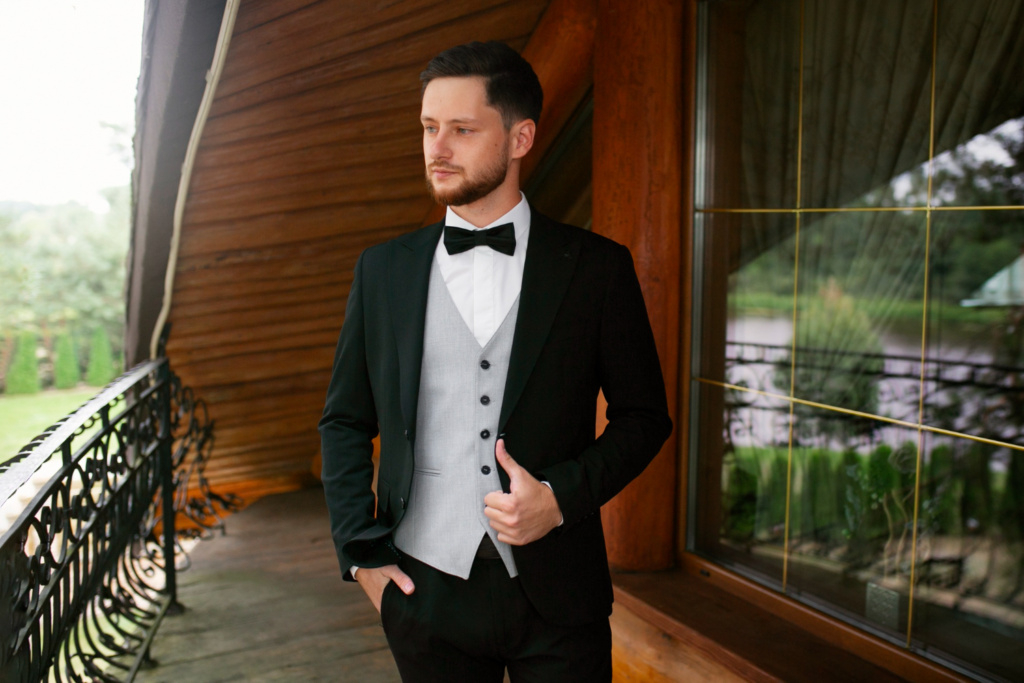
A tuxedo is more than just formal attire. It represents elegance, respect for an occasion, and attention to detail. However, these qualities only shine through if the tuxedo fits correctly. A properly tailored tuxedo should fit smoothly from the collar against the neck down to the cuffs at the wrists, with no gaps, bunches, or excess fabric that disrupts the clean lines of the garment.
Most men struggle to identify what separates an average tuxedo from an exceptional one. The difference often comes down to fit rather than price or brand. A tuxedo that sits perfectly on the shoulders, tapers at the waist, and shows just a hint of shirt cuff creates a polished appearance that makes the wearer look and feel confident.
This guide breaks down every element of a proper tuxedo fit. From the collar placement at the neck to the sleeve length at the wrists, readers will learn exactly what to look for. The article also covers how trousers, shirts, and accessories complete the look. These details help anyone prepare for a black-tie event, wedding, or formal occasion with the knowledge to achieve a sharp, tailored appearance.
Mastering the Perfect Tuxedo Fit: Collar to Cuff
A well-fitted tuxedo depends on precise alignment from the collar through the shoulders, chest, and sleeves. Each element works together to create a sharp, polished appearance that reflects attention to detail and proper formal dress standards.
Basic Jacket Fit: Shoulders, Chest, and Waist
The shoulder line serves as the foundation for the entire tuxedo fit. The seam should sit exactly where the shoulder meets the arm, following the natural slope of the body. A shoulder that extends too far creates a bulky, oversized look, while one that pulls too tight produces wrinkles and restricts movement.
The chest area should allow enough room for comfortable breathing without excess fabric. A properly fitted chest lies smooth against the body with no pulling across the buttons. The jacket should close comfortably at the button stance, which sits at the narrowest part of the torso.
The waist should taper gently to follow the body’s contours. However, the taper must not be too aggressive. The jacket needs to drape naturally without bunching or pulling during movement. This balance between structure and comfort separates an excellent fit from one that merely looks good while standing still.
For those seeking precision in formalwear, custom tuxedo tailoring in Manhattan offers the expertise needed to achieve this level of fit through individual measurements and expert construction.
Collar Placement and Lapel Details
The collar must hug the back of the neck with no gap between the jacket collar and the shirt collar. A gap indicates a poor fit and appears sloppy at formal events. The collar should sit flat against the neck without rolling or bunching at the back.
The lapels should lie flat against the chest with no gaping or pulling away from the shirt. They frame the bow tie and dress shirt, so proper positioning is important to the overall presentation. The gorge line, where the lapel meets the collar, should sit at an appropriate height for the wearer’s build.
Any spacing issues at the collar often signal problems with the shoulder fit or back construction. These fit problems require adjustment by a skilled tailor who understands how the jacket’s upper portions work together.
Sleeve Length and Cuff Presentation
Tuxedo sleeves should end to allow about one-quarter to one-half inch of shirt cuff to show. This small detail adds visual interest and demonstrates understanding of formal dress codes. The white cuff creates a clean contrast against the dark jacket fabric.
The sleeve head, where the sleeve attaches to the shoulder, must drape smoothly without wrinkles or puckering. Excess fabric or tightness in this area affects how the entire sleeve falls along the arm. The sleeve should provide enough room for natural arm movement while maintaining a clean, tailored appearance.
Sleeve length becomes particularly important for formal events where details matter. A shirt cuff that shows too much or too little disrupts the balanced proportions that formalwear requires.
The Finishing Touches: Trousers, Shirt, and Accessories
A well-fitted tuxedo jacket means little without proper attention to trousers, shirt, and accessories. These elements complete the black tie attire and separate a polished look from an average one.
Tuxedo Trouser Fit and Detailing
Tuxedo trousers should sit at the natural waist, not the hips. This higher rise creates a balanced silhouette and allows the waist covering to sit properly. The trousers must match the jacket fabric exactly to maintain a cohesive appearance.
The fit through the seat and thighs should allow comfortable movement without excess fabric. A slight taper through the leg creates a modern look while maintaining formal wear standards. The hem should break just slightly on the shoe, with the back falling about half an inch lower than the front.
Traditional tuxedo trousers feature a single satin or grosgrain stripe down each outer leg. This stripe matches the lapel facing on the dinner jacket. Formal trousers never have belt loops or cuffs. Instead, they use side adjusters or suspenders to hold them in place.
Shirt Fit and Cufflinks
A proper tuxedo shirt fits close to the body without pulling at the buttons. The collar should fasten comfortably while leaving enough room for a finger between the neck and fabric. Tuxedo shirts come in two main collar styles: wingtip collars work best with bow ties, while turndown collars suit both bow ties and neckties.
The shirt should extend about half an inch beyond the jacket sleeve at the cuff. This allows the cufflinks to show and creates the proper formal appearance. French cuffs are standard for black tie attire and require cufflinks rather than buttons.
Cufflinks add personal style to formal wear. Silver or gold tones work well with most tuxedos. Simple, elegant designs suit traditional events, while unique styles can add personality to less formal occasions. The cufflinks should complement other metal accessories like watches or tie bars without matching exactly.
Waist Coverings: Cummerbunds and Waistcoats
A waist covering hides the trouser waistband and creates a clean transition between shirt and trousers. Two main options exist: the cummerbund and the waistcoat. Both serve the same purpose but offer different aesthetic choices.
A cummerbund is a pleated silk band that wraps around the waist. The pleats face upward, which historically served as pockets for opera tickets. The cummerbund should match the bow tie and lapel facing in both fabric and color. It sits at the natural waist and covers the trouser closure completely.
A waistcoat offers more coverage and warmth. For black tie events, a low-cut style in black or midnight blue works best. The waistcoat should fit snugly without pulling at the buttons. The bottom should cover the trouser waistband completely, while the V-neck sits low enough to avoid showing above the jacket when buttoned.
Three-piece suit configurations can work for black-tie weddings or less formal evening events. However, traditional black tie calls for either a cummerbund or a formal waistcoat rather than a standard suit vest.
Conclusion
A well-fitted tuxedo makes all the difference at formal events. The jacket should align at the shoulders, the sleeves must reveal a half-inch of shirt cuff, and the trousers need to sit at the natural waist without a belt. Each element works together to create a polished look that feels comfortable and appears elegant.
The right fit transforms how a man looks and how he feels in formalwear. Therefore, attention to detail in every measurement guarantees the tuxedo performs exactly as it should for any black-tie occasion.