


Creativity isn’t what usually holds interior design back, it’s how everyone interprets the ideas. Designers pour their vision into floor plans, elevations, and material schedules, but reading those documents takes a practiced eye. Most clients don’t really “see” the space from lines on a page.
That’s where interior rendering services step in and change everything. Suddenly, abstract ideas turn into something you can actually feel. You’re not just looking at vague promises; you’re experiencing rooms that look real, balanced, finished, even before they’re built.
This isn’t about making things look pretty for the sake of it. It’s about seeing clearly.
Turning Concepts Into Spaces You Can Feel
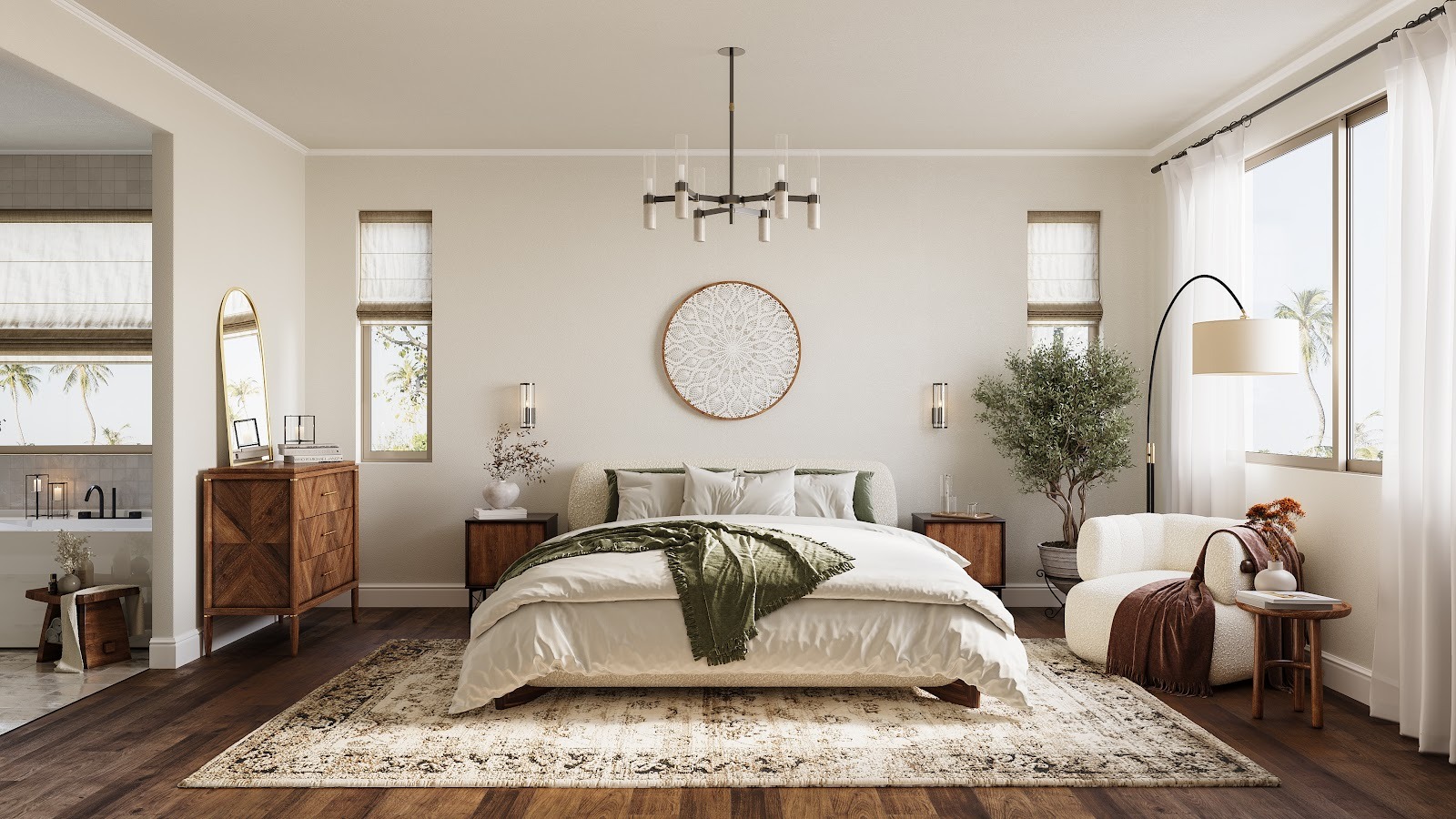
At the start of a project, decisions come fast. You sign off on layouts, pick out materials, set up the lighting. On paper, it all lines up. But the truth is, these pieces only start interacting once the space is real.
Renderings give you that context immediately. You see how big things actually feel, how sunlight skims across the floor, how the materials play off one another. Sometimes, a room that looks fine on paper suddenly feels cramped. Another one, barely noticed before, stands out as the best in the project.
This bigger picture takes the guesswork out. Designers can sharpen their ideas sooner, and clients can respond with real confidence, not just hope everything turns out okay.
Catching Problems Before They Cost You
Most design problems aren’t about the structure but about how the space feels.
Think about a hallway that turns out tighter than you imagined, or a seating area that just feels off when you actually look at it. Or lighting that’s technically up to code but ends up making the space uncomfortable. Drawings usually don’t show these issues.
Photorealistic renderings bring these moments to light early on. You get the chance to tweak furniture, raise ceilings, swap finishes, and fix the lighting before anyone picks up a hammer, when changes are easy and cheap.
So, rendering isn’t just another bill to pay. It’s how you avoid expensive surprises.
Building Trust With Clients Through Clarity
Clients don’t really distrust designers. What makes them nervous is the unknown.
When it’s hard to picture the final result, approvals drag out, changes pile up, and everyone loses a bit of faith, even if the design is solid.
Renderings smooth this out. They give everyone the same picture to look at, so expectations line up. No more guessing or reading between the lines. Clients know exactly what they’re signing off on.
This kind of clarity builds trust. It shifts the whole process from convincing to true collaboration, where feedback actually helps and the conversation moves forward.
Taking Presentations From Technical to Emotional
Good renderings do more than explain — they tell a story.
They put you inside the space, right at eye level. You see how the light moves during the day, how materials age and change the mood. These details turn a regular presentation into something people can actually connect with.
For designers, this means fewer misunderstandings and stronger approvals. For developers and brands, it means you can use the same visuals for both design and marketing—without losing credibility.
The rendering that wins over a client can later win over a buyer.
Helping Sales and Marketing Before Construction Starts
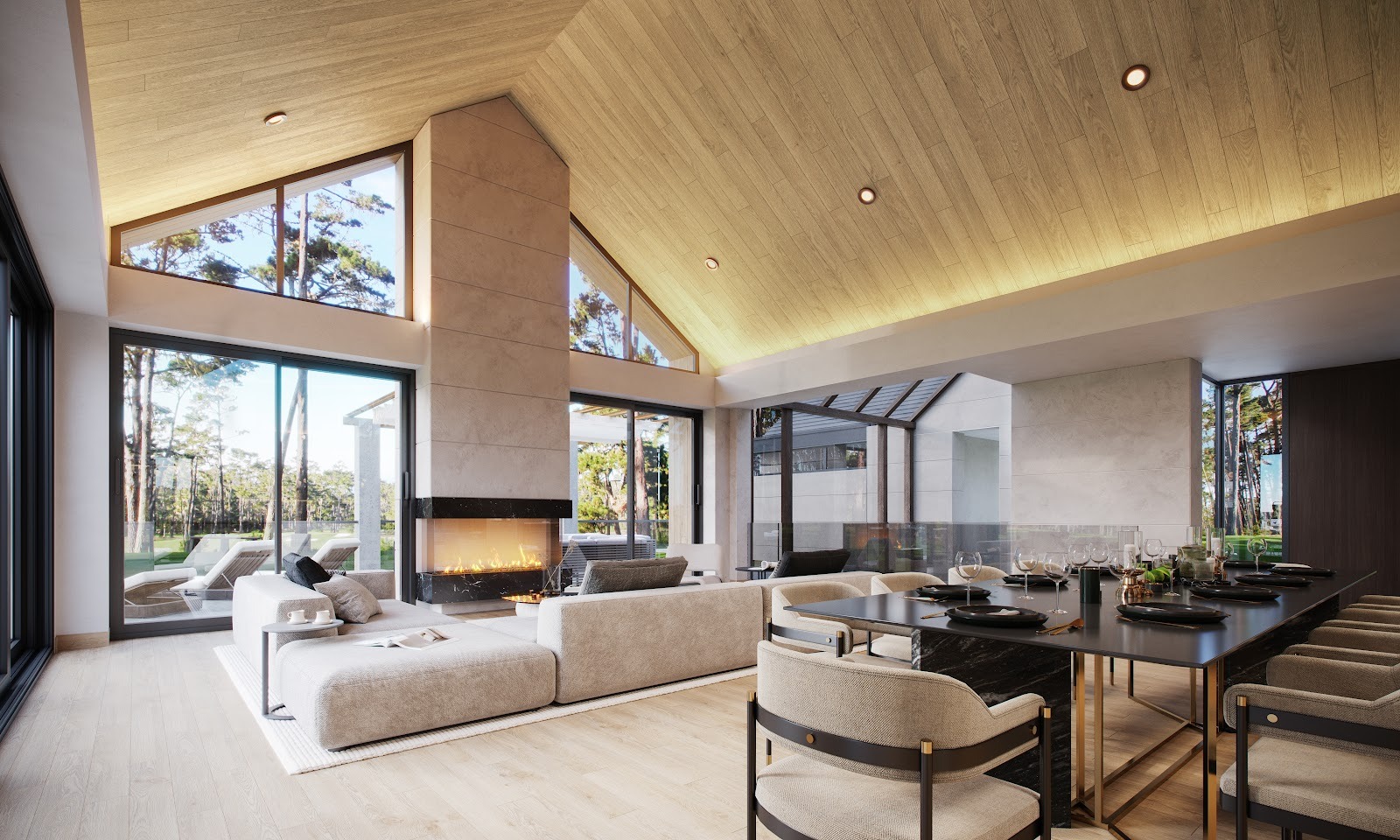
In real estate, people are often asked to buy something that doesn’t exist yet. They’re supposed to trust floor plans and a reputation.
Renderings fill that gap. They let buyers picture themselves in the space long before move-in day. They show atmosphere, lifestyle, and quality — things a blueprint just can’t deliver.
This matters most in pre-sales, leasing, and pitching to investors. Strong visuals speed up the sales process, boost perceived value, and cut down on confusion.
When people understand what they’re getting, they’re more likely to say yes.
Keeping the Message Consistent
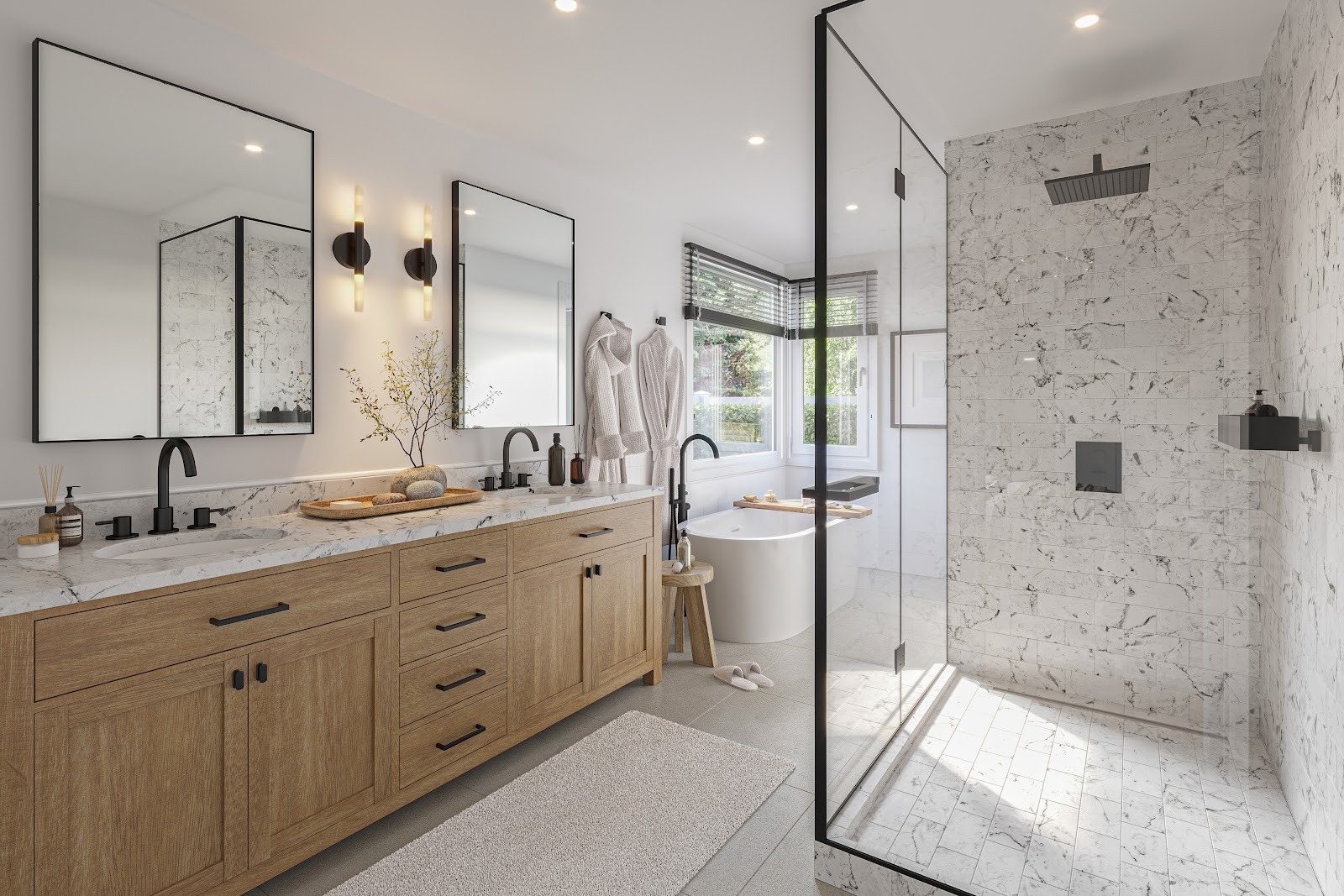
One big win with interior renderings is consistency.
When design teams and marketing teams make their own visuals, things slip: colors change, lighting shifts, the vibe gets lost. That kind of disconnect erodes trust and waters down the original vision.
But if you use high-quality renderings from start to finish, the story stays straight. From concept sketches to glossy brochures to social feeds, the project speaks with one voice.
That kind of consistency looks professional and it builds a stronger brand.
A Smarter Way to Make Decisions
Interior rendering isn’t a replacement for design thinking but an extra tool in the kit. When designers can actually see spaces rendered realistically, they get feedback that simple drawings can’t deliver. Suddenly, it’s way easier to play around with ideas, compare one option to another, and fine-tune every little detail.
All of this helps designers make calmer, more thoughtful decisions. Fewer last-minute fixes. Less scrambling when construction’s already underway.
In the end, you don’t just get a space that looks good. You get a space that works.
Here’s the thing: interior rendering isn’t about flashy visuals. It’s about clarity. When you bring in photoreal images at the right stage, you cut down on guesswork, keep everyone on the same page, and make sure the original vision stays intact. Clients worry less. Teams waste less time. Projects run smoother, with way fewer surprises.
In a field where so many choices can’t be undone, being able to see a space before it’s built isn’t just nice — it’s a real edge. It changes how interiors come to life, how they’re sold, and how people actually experience them.