


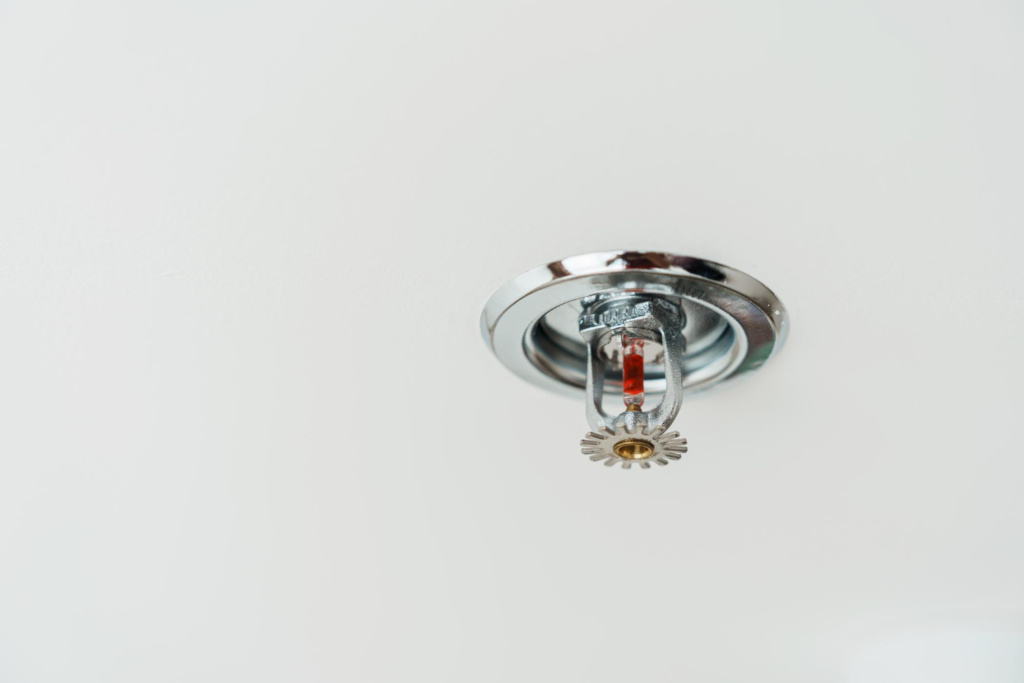
Fire-rated housings are specialized enclosures designed to maintain the integrity of fire-resistant building components. They are typically installed in ceilings or walls to house lighting or other electrical elements without compromising the fire-resistance rating of those structures. Their role is critical, especially in areas where building codes demand strict adherence to safety measures related to fire prevention and containment.
These housings are constructed using materials that can withstand high temperatures for extended periods. In most cases, they help delay the spread of fire through penetrations in fire-rated assemblies such as drywall or drop ceilings. When standard housings are used instead, any hole or breach created for wiring or recessed lighting becomes a vulnerability. This is particularly significant in multi-story residential or commercial structures, where fire can rapidly travel through concealed spaces if not properly contained.
In practical terms, fire-rated housings act as a passive fire protection measure. While sprinklers and alarms serve active roles in alerting occupants and extinguishing flames, fire-rated housings ensure the infrastructure itself contributes to containment. By maintaining a barrier for up to one or two hours, these housings can protect escape routes and slow the progression of fire between building compartments, offering vital time for evacuation and firefighting response.
Regulatory Compliance and Building Code Mandates
Building codes across the United States mandate fire-rated housings in many construction scenarios. The National Electrical Code (NEC), International Building Code (IBC), and various local amendments specify requirements for recessed lighting fixtures in fire-rated assemblies. Failing to comply can result not only in fines but also in increased liability and risk during a fire event. These regulations exist to minimize fire damage and enhance occupant safety through engineered solutions that limit fire spread.
For builders, architects, and electrical contractors, understanding when and where fire-rated housings are required is crucial, along with implementing proper Fire Watch Services. Typically, these housings are mandatory in multi-family dwellings, hotels, commercial offices, and other structures with fire-rated ceilings or floor assemblies. They are often needed where ceiling penetrations are made between dwelling units or in corridors serving as designated egress paths. Without proper installation, these paths may be compromised, and the building’s entire fire rating may be invalidated.
Equally important is sourcing the right components from trusted suppliers who not only offer a wide selection of code-compliant products but also support customers with up-to-date information and technical insights. Reputable distributors such as BuyRite Electric serve this role by helping professionals navigate the complexities of fire-rated lighting with ease. Their expertise is especially valuable when selecting housings that meet both fire safety requirements and performance standards, ensuring that every fixture installed contributes to a fully compliant and safe building environment.
Protecting Lives Through Passive Fire Containment
The role of fire-rated housings extends beyond compliance; it is fundamentally about protecting lives. In residential settings, especially multi-unit dwellings such as apartment buildings or townhomes, the risk of fire spreading between units is a real and ever-present danger. Fire-rated housings are a preventive measure that ensures flames and smoke do not travel freely through structural cavities and ceilings, which often serve as unseen conduits for rapid fire propagation.
These housings protect what’s hidden. Electrical systems, ductwork, and lighting fixtures typically run behind walls and above ceilings. If one apartment catches fire, improperly protected light fixtures could allow flames and heat to spread into adjacent units or levels. Fire-rated housings, such as architectural glass and fire-rated doors, slow the spread, buying precious time for residents to escape and emergency services to arrive. In a fire, even a few minutes can determine the difference between life and death.
In commercial buildings, this function is magnified by scale and complexity. Office towers, retail complexes, and hotels often feature sprawling layouts with shared mechanical systems. Fire-rated housings serve as barriers within these systems, preventing a localized fire from becoming a floor-wide emergency. Moreover, they preserve the structural integrity of fire-rated compartments, a key strategy in modern fire engineering known as compartmentation.
Cost Implications and Long-Term Value
While fire-rated housings often come at a higher upfront cost compared to standard housings, they deliver considerable long-term value. The initial investment pays dividends by reducing potential fire damage, minimizing liability, and lowering insurance premiums. In the event of a fire, the containment provided by these housings can significantly reduce reconstruction costs by localizing the damage and protecting key structural components.
From a developer’s perspective, integrating fire-rated housings during the planning and construction phases is a cost-effective strategy. Retrofitting buildings with compliant housings after inspection failures or safety audits is not only more expensive but also disruptive. Contractors may need to open ceilings, relocate wiring, and disturb other systems to correct non-compliance. These reactive measures often exceed the original cost of simply installing compliant housings from the start.
Additionally, insurance companies often factor in passive fire protection when calculating premiums. Properties with certified fire-rated assemblies, including lighting fixtures and their housings, may qualify for lower rates. This is because such properties present lower risks of total loss and improved life safety features. Ultimately, fire-rated housings are not just safety components; they are financially strategic choices for any serious builder or property manager.
Design Flexibility and Aesthetic Integration
Contrary to common misconceptions, fire-rated housings do not restrict design possibilities. Modern housings are available in various shapes, sizes, and finishes that blend seamlessly with contemporary interiors. Whether a project involves minimalist recessed downlights or elegant architectural lighting, fire-rated options exist that do not compromise on aesthetics.
Manufacturers now prioritize both safety and design, allowing architects to achieve visual goals while still complying with fire codes. Innovations in thermal insulation and LED integration have enabled slimmer, more versatile housings that fit tighter spaces without sacrificing performance. This is especially valuable in luxury residential units and boutique commercial spaces where design integrity is non-negotiable.
Moreover, some fire-rated housings come pre-approved for use in insulation contact (IC) scenarios and airtight configurations, supporting energy efficiency goals. Builders and designers no longer need to choose between sustainability, aesthetics, and safety. Instead, with the right products, they can fulfill all three requirements simultaneously, ensuring that fire-rated solutions contribute holistically to a project’s success.
Installation Considerations and Common Pitfalls
Proper installation of fire-rated housings is as critical as selecting the right product. Even the most advanced housing can fail to perform its function if installed incorrectly. Key considerations include placement within fire-rated assemblies, maintaining the integrity of surrounding materials, and using compatible components such as trims and gaskets.
Electricians must also ensure that the entire housing assembly, including any penetrations for wiring, is sealed as per manufacturer instructions and code specifications. An open gap, improperly sealed joint, or incompatible light bulb type can create weak points that undermine the fire-resistant barrier. These issues often go unnoticed until an inspection failure or, worse, a fire reveals the vulnerability.
Common pitfalls include installing non-rated housings in rated ceilings, neglecting to check UL or ETL listing requirements, or using incompatible insulation materials. Avoiding these mistakes requires coordination between the design, construction, and inspection teams. Comprehensive training and careful review of architectural drawings can ensure correct installation the first time, saving time and money while ensuring safety.
Future Trends in Fire-Rated Housing Technologies
The field of fire-rated housing is evolving as technology and building standards advance. One emerging trend is the integration of smart sensors within housings that monitor temperature and electrical load. These features can provide early warnings of abnormal heat conditions, allowing for proactive maintenance or shutdown before a fire even begins.
Another innovation is the development of eco-friendly fire-resistant materials. These next-generation composites offer superior heat resistance while reducing environmental impact. As green building certifications like LEED gain popularity, such materials may become standard in fire-rated housing designs, marrying fire safety with sustainability goals.
Additionally, modular and prefabricated building methods are driving demand for housing that is easier to install and adaptable across various system types. Quick-connect features, adjustable mounting brackets, and universal compatibility will likely shape the next generation of products. These trends not only enhance fire protection but also streamline construction workflows, reduce labor costs, and improve overall building performance.
Final Thoughts
Fire-rated housings represent a quiet but critical line of defense in the fight against fire-related disasters. Their contribution to structural integrity, occupant safety, and code compliance makes them indispensable in modern construction, both commercial and residential. By investing in these protective components from the outset, builders and property owners take a proactive stance toward risk management and long-term value.
In a world where safety and efficiency must coexist with aesthetic ambition, fire-rated housings bridge the gap. They offer performance without compromise, protecting lives and properties without disrupting design goals. As construction continues to evolve, these housings will remain a cornerstone of thoughtful, responsible building practices.
Whether you’re developing high-rises, renovating multi-unit homes, or simply upgrading your lighting, the importance of selecting quality fire-rated housings cannot be overstated. The upfront consideration could be the defining factor between resilience and catastrophe when the unexpected strikes.