


Numbers often tell a story that personal anecdotes cannot capture with the same precision. While everyone has a story about a close call on the highway, a broader look at the data reveals the true patterns of risk. It removes the emotion and replaces it with facts.
Analyzing the frequency of collisions helps local authorities decide where to allocate resources for road improvements. It shows which neighborhoods see a spike in incidents and where safety measures work. This objective view is essential for making meaningful changes to the current infrastructure.
Looking at the latest regional crash reports provides a clear picture of the challenges facing every driver in the area today. They also reveal a sobering reality: drivers impaired by alcohol account for nearly 80% of fatalities. This statistic highlights how many of these tragedies stem from preventable decisions rather than unavoidable circumstances.
Analyzing the Timing of Impact
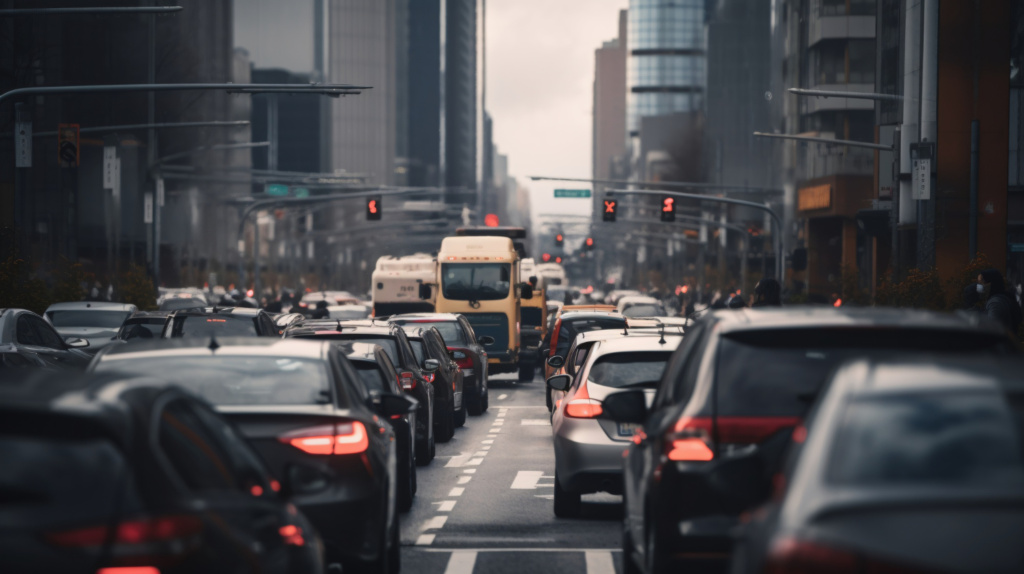
Traffic volume hits its highest point during the early morning and late afternoon as thousands of people rush to their jobs. This concentration of vehicles creates a high pressure environment where even a small mistake leads to a chain reaction. The density of cars makes evasive maneuvers impossible.
Multi vehicle accidents are common during these peak windows because the following distance between cars is often dangerously low. When one person slams on their brakes, the people behind them have almost no time to react. This leads to the pileups that block major highways.
The severity of these incidents increases when drivers are stressed or running late. Frustration leads to aggressive lane changes and a lack of patience that endangers everyone on the road. High volume hours require a significant amount of mental focus from every single driver.
Comparing Urban and Suburban Corridors
Speeding remains a primary factor in fatal collisions across both city streets and wide open suburban highways. In urban centers, even a slight increase over the limit reduces the time a driver has to spot a pedestrian or a cyclist. The margin for error is thin.
Suburban corridors often see higher speeds because the roads feel safer and more open than they actually are. Drivers tend to let their guard down when there is less congestion, which leads to devastating impacts at intersections. The false sense of security is a danger.
Local authorities use radar data to identify the specific stretches of road where speeding is a chronic issue. This allows for targeted enforcement and the installation of safety measures. Reducing average speeds by just a few miles per hour saves lives every single year.
Navigating the Shifting Demographics of Risk
Recent data suggests that the demographic makeup of those involved in serious collisions is shifting as the city grows. Younger drivers often have the quickest reflexes but lack the experience to predict the dangerous movements of others. They are frequently overrepresented in reports involving high speeds.
Older residents face different challenges, such as slower reaction times and reduced visibility during nighttime hours. As the population ages, the infrastructure must adapt to accommodate those who need more time to navigate complex intersections. Making the roads accessible for everyone is a growing priority for planners.
Commercial drivers also account for a portion of regional incidents due to the long hours they spend on the road. The sheer size of delivery trucks and trailers makes any collision likely to result in a serious injury. Professional training is more vital than ever today.
Assessing the Influence of Seasonal Weather
Environmental factors like heavy rain and sudden darkness can turn a routine drive into a high stakes survival exercise. When the first few drops of rain hit the pavement, oil rises to the surface and creates a slick layer that reduces traction. Braking distances increase immediately.
Darkness adds another layer of risk, especially for those who already struggle with depth perception or glare from oncoming headlights. Many collisions occur during the twilight hours when the light is changing and shadows become long. Visibility is the most important tool for preventing a crash.
Seasonality brings changes in traffic patterns, such as more pedestrians during the holidays or school buses in the fall. Adapting to these shifts requires a constant awareness of the surroundings and a willingness to slow down. Being prepared for the weather is a basic requirement.
Conclusion
Summarizing the data provides a clear path forward for anyone who wants to lower their personal risk on the road. Being aware of the specific times and locations where accidents are likely to occur allows for better planning. Knowledge is the most effective defense against trouble.
Hard numbers prove that safety is not just a matter of luck but a result of consistent and careful habits. By respecting the speed limits and staying focused during peak hours, drivers can protect themselves and their families. Every small adjustment makes the system safer.
Looking at the reality of the road through a quantitative lens helps remove the fear and replace it with action. Staying informed about current trends ensures that safety remains a top priority for every resident. The goal is to be a responsible and safe driver.