


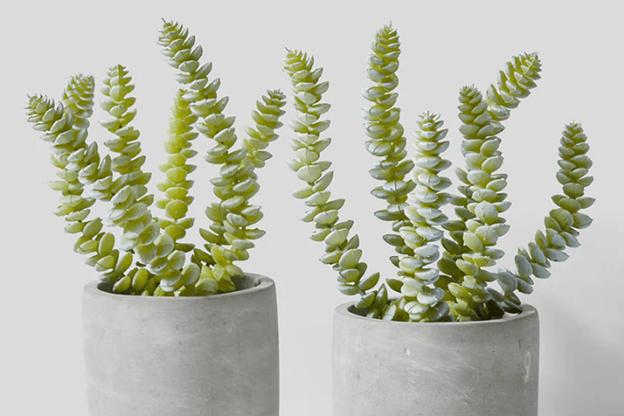
Image courtesy of Jamali Garden – https://www.jamaligarden.com/collections/silk-plants/products/string-of-buttons-succulent-in-grey-cement-pot-set-of-2
Interior design is more than arranging furniture or choosing a color palette—it is a form of visual communication. Every element within a space sends a message to those who experience it. From the lighting and textures to the layout and decorative details, each component contributes to the story the space tells.
Among these elements, greenery plays a surprisingly powerful role. Plants soften environments, introduce natural contrast, and help guide the viewer’s perception of a room. In recent years, designers have increasingly turned to real-touch silk plants as a practical and visually compelling way to incorporate greenery into spaces where living plants may not thrive.
When used thoughtfully, these plants do more than decorate a room—they strengthen the visual message the design is meant to communicate.
The Role of Visual Communication in Interior Design
Visual communication in interior design involves intentionally arranging visual elements so that they convey a specific feeling, purpose, or identity. A corporate office might communicate professionalism and innovation. A hotel lobby may aim to evoke relaxation and hospitality. A retail store often seeks to communicate energy, creativity, or luxury.
Designers achieve these outcomes by carefully considering color, scale, balance, and focal points. Objects within a space guide the viewer’s eye and influence how the environment is interpreted.
Greenery is particularly effective in this process because it naturally attracts attention while still feeling harmonious within most settings. Plants provide organic shapes that contrast with the rigid lines of architecture and furniture, making a space feel more balanced and approachable.
Why Greenery Strengthens Visual Messaging
Natural elements have a strong psychological effect on how people perceive environments. Studies have shown that exposure to greenery can reduce stress, improve mood, and enhance concentration. Even the visual suggestion of nature can create these effects.
From a communication perspective, plants help signal qualities such as vitality, calmness, sustainability, and hospitality. In workplaces, greenery can communicate creativity and well-being. In hospitality environments, it often conveys comfort and warmth.
Because of these associations, designers frequently incorporate plants to reinforce the emotional tone of a space. A minimalist office lobby might include a single sculptural plant to add warmth without disrupting the clean design. A restaurant might layer plants throughout the interior to create a relaxed, inviting atmosphere.
However, maintaining live plants in every environment is not always practical.
The Practical Challenge of Live Plants
While live plants are visually appealing, they require consistent care and appropriate environmental conditions. Lighting, temperature, humidity, and watering schedules all affect plant health. In many commercial spaces—such as windowless offices, event venues, or high-traffic retail stores—these conditions can be difficult to maintain.
When plants begin to wilt or discolor, they undermine the visual message designers worked to create. Instead of signaling freshness and vitality, unhealthy plants can communicate neglect.
For this reason, many designers seek alternatives that preserve the visual benefits of greenery without the maintenance demands.
How Real-Touch Silk Plants Provide a Design Solution
Advances in manufacturing have led to a new generation of artificial plants that look and feel remarkably realistic. Known as real-touch silk plants, these designs are crafted from specialized materials that replicate the texture and appearance of natural foliage.
Unlike earlier artificial plants that often appeared glossy or rigid, modern real-touch versions mimic subtle variations in leaf structure, color gradients, and organic shapes. This realism allows them to integrate seamlessly into professional interior design projects.
For designers, the advantage is consistency. These plants maintain their appearance regardless of lighting conditions, watering schedules, or seasonal changes. As a result, the visual message of the space remains intact over time.
Creating Stronger Focal Points
Every well-designed space includes focal points—areas that naturally draw the viewer’s attention. Designers often use artwork, lighting fixtures, or architectural features to create these visual anchors.
Plants can serve the same purpose.
A tall arrangement in an entryway, for example, can guide visitors toward a reception desk. A cluster of plants near seating areas can subtly define zones within an open floor plan. Even a small plant on a desk can break up visual monotony and add a layer of texture.
Because real-touch silk plants maintain their shape and color, they remain reliable focal points. Designers can position them strategically without worrying about changes in growth or plant health altering the balance of the composition.
Enhancing Texture and Visual Depth
Texture is an essential but often overlooked component of visual communication in design. Smooth surfaces like glass, metal, and polished stone can feel cold or sterile when used alone.
Plants introduce visual softness and complexity through their leaves, stems, and organic forms. These textures help create visual depth and prevent a space from feeling flat.
Silk plants, particularly those made with realistic materials, allow designers to introduce these textures without worrying about plant maintenance. Whether placed in decorative planters, wall installations, or tabletop arrangements, they add layers that enrich the visual experience of a space.
Supporting Consistency in Brand Environments
For businesses, interior spaces often serve as physical representations of their brand. The design of a lobby, showroom, or retail store communicates values and identity just as strongly as logos and marketing materials.
Maintaining consistency in these environments is critical. Visual elements must remain polished and intentional.
Real-touch silk plants help support that consistency. Because they require minimal upkeep, they are less likely to deteriorate over time. This reliability makes them particularly valuable in high-traffic or multi-location environments where maintaining live plants may be impractical.
Many designers sourcing decorative greenery for commercial spaces look to suppliers such as Jamali Garden, which offers a variety of realistic botanical options that can complement different design styles.
Versatility Across Design Styles
One of the strengths of modern artificial plants is their versatility. They can complement a wide range of design aesthetics, from minimalist and contemporary to rustic or traditional.
For example:
- Modern offices may feature simple potted plants with sculptural leaves to add contrast to sleek surfaces.
- Hospitality spaces might incorporate larger greenery installations to create a lush, welcoming atmosphere.
- Retail environments often use plants to soften displays and guide customer movement through the space.
Because real-touch silk plants remain stable in appearance, they can be used in places where live plants might struggle, such as dim corridors, event installations, or temporary displays.
The Future of Greenery in Visual Communication
As interior design continues to intersect with branding, psychology, and user experience, the role of visual communication within spaces will only grow more important.
Designers are increasingly focused on creating environments that not only look appealing but also communicate intention and identity clearly. Greenery remains a powerful tool in achieving that goal.
Real-touch silk plants offer a practical way to maintain the visual benefits of natural elements while ensuring long-term consistency and flexibility. By incorporating realistic greenery thoughtfully, designers can strengthen the message a space conveys and create environments that feel both intentional and inviting.
Ultimately, the most effective designs are those that speak clearly without words—and sometimes, the right touch of greenery is what helps that message come to life.