


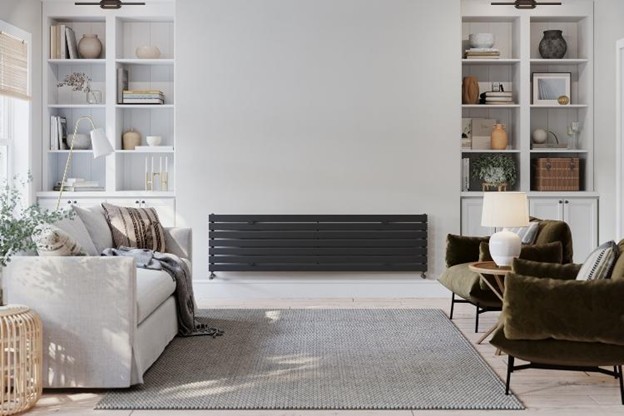
In contemporary interior design, function and aesthetics are increasingly viewed as interconnected rather than separate considerations. Elements once treated as purely practical, such as heating systems, are now part of broader visual narratives within the home. UK Radiators, a Colchester-based direct-to-consumer retailer, operates in this evolving space, offering a range of heating products that meet both performance requirements and design expectations.
Founded by Rob Nezard, the company transitioned from a predominantly wholesale business to a direct-to-consumer model around 2015. This shift coincided with broader changes in the home improvement sector, in which homeowners began prioritising design consistency across all fixtures. With reported annual revenues of approximately £8.5 million and daily revenues reaching up to £30,000, the brand has established a measurable presence in the UK heating market.
Verified Performance and Industry Transparency
One of the defining aspects of UK Radiators’ positioning is its emphasis on verified heat output. The company reports that all radiators are independently tested in the UK to ensure accuracy in performance data. This focus follows industry concerns about misleading specifications, with some products historically delivering 25-38% less heat than advertised.
Regulatory frameworks such as the Construction Products Regulation 2011 and BS-EN 442 require manufacturers to provide heat output values at Delta T 50 and Delta T 30. Industry stakeholders have highlighted the importance of compliance. Andy Phillips, Chair of the Manufacturers Association of Radiators and Convectors, stated that adherence to these standards is “crucial not only for regulatory compliance but also for ensuring that consumers get the level of heating they expect.”
This context has shaped UK Radiators’ approach to product data. The company positions itself as a technical authority, focusing on measurable performance rather than estimated outputs. Its BTU calculator further supports this approach by helping users determine appropriate radiator sizes based on room heat loss.
Radiators as Part of Interior Visual Storytelling
Modern interiors increasingly rely on cohesive visual communication, where each element contributes to the overall design language. Radiators, once hidden or minimised, are now incorporated into this narrative. UK Radiators offers several product categories that reflect this shift, including column, designer, and panel radiators.
Column radiators account for approximately 40% of the company’s sales, indicating continued demand for traditional forms adapted to modern spaces. Designer radiators, including vertical and flat-tube designs, are positioned as visible components within a room’s layout rather than background utilities.
This approach aligns with broader trends in home design psychology, where visual balance and intentional placement influence how spaces are experienced. For homeowners seeking to align heating with design intent, product ranges available at ukradiators.com illustrate how functional objects can contribute to a cohesive aesthetic.
Customisation Through Materials, Colours, and Finishes
The ability to customise interior elements has become a central expectation in modern home design. UK Radiators offers bespoke services, including up to 3,000 paint colour options for column radiators. This level of variation allows homeowners to integrate heating systems into existing palettes rather than adapting interiors around fixed finishes.
Accessories such as radiator valves and pipe covers further extend this customisation. The company offers a wide selection of materials, including steel and brass, as well as finishes such as brushed, polished, matt, gloss, and silk. These details contribute to the overall visual composition of a room.
Colour choice is also positioned as a design tool. With more than eight valve colour options, you can either match or contrast components to suit your preferred style. This flexibility reflects a shift in how small fixtures contribute to overall design cohesion.
Smart Heating and Energy Efficiency in Modern Homes
Technological integration has influenced expectations for heating systems, particularly regarding energy efficiency and control. UK Radiators’ electric and smart heating products include Wi-Fi-enabled radiators and electric towel rails that operate independently of central heating systems.
Modern electric radiators are reported to achieve near 100% energy conversion to heat, with efficiency enhanced by intelligent controls. Regulatory frameworks such as the Lot 20 Ecodesign Directive require electric heaters to include features that reduce energy waste, including programmable timers and temperature sensors.
Thermostatic radiator valves, which automatically adjust heat output based on room temperature, are one example of how control systems contribute to efficiency. These components enable more precise temperature control, which can reduce energy consumption in underused spaces.
Duncan Johnson, Deputy Director of Construction Products Regulation at the Office for Product Safety and Standards, noted that collaboration within the industry is aimed at ensuring “information that is both accurate and compliant with the standard.” This reflects a broader move towards transparency and accountability in heating performance.
Logistics, Installation, and Customer Support Infrastructure
Beyond product design and performance, logistical considerations play a role in how heating solutions are implemented. UK Radiators offers nationwide installation through an exclusive partnership, with services typically available within three days of delivery. This addresses a common issue in home improvement projects, where installation delays can disrupt timelines.
Delivery options include two-person handling for heavier items and a room-of-choice service, which places products directly in the intended space. The company also reports offering free standard delivery within two to three working days, as well as next-day dispatch for selected items.
Return policies form another part of the service structure. The brand states that it offers unlimited returns with collection included, reducing the risk associated with selecting large or customised items.
Conclusion
The integration of heating systems into interior design reflects a broader shift in how functional elements are perceived within the home. UK Radiators operates within this context by combining verified performance data, design-focused product ranges, and customisation options that align with contemporary expectations.
Its emphasis on transparency, supported by independent testing and regulatory awareness, positions the brand within ongoing industry discussions about accuracy and consumer trust. At the same time, its product offerings illustrate how radiators can contribute to visual storytelling in interior spaces.
As home design continues to prioritise cohesion and intentionality, the role of traditionally overlooked elements is likely to expand. Heating systems, once considered purely utilitarian, are increasingly part of the visual and functional framework that defines modern living environments.