


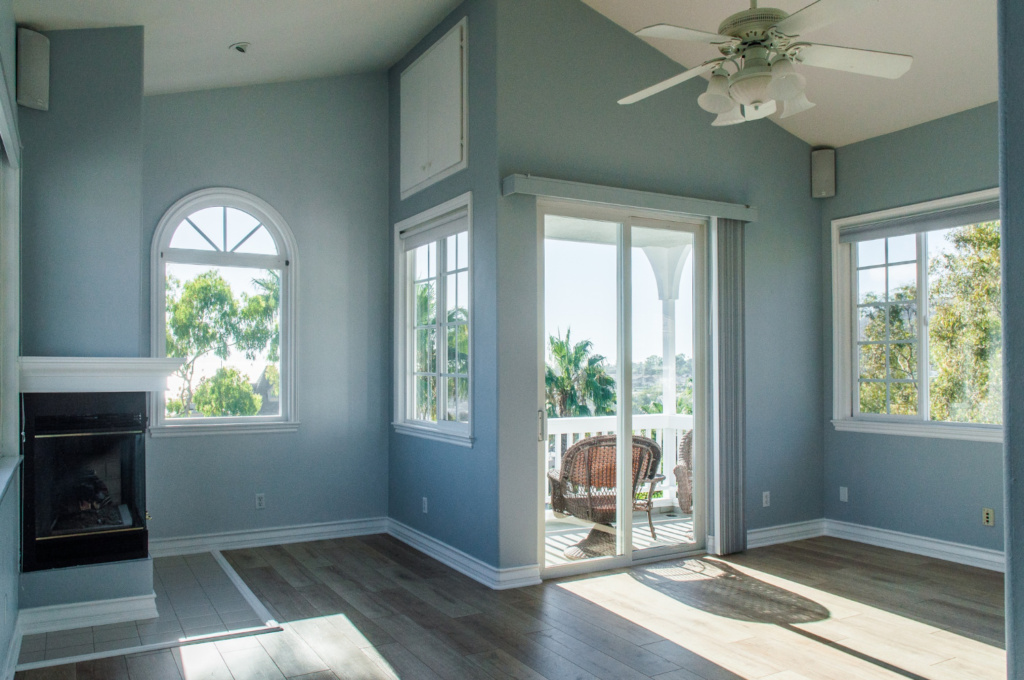
If you’re shopping for new windows in Los Angeles, you’ve probably come across both Milgard and Fleetwood. Both brands show up at local dealers, both have strong reputations, and both get recommended by contractors across Southern California. But here’s the thing: they’re built for very different types of projects. Milgard offers the most versatile, accessible option for the majority of LA homeowners doing a standard replacement or remodel. Fleetwood, on the other hand, caters to luxury builds and modern architecture where design precision matters more than budget. Let’s break down how these two brands compare so you can pick the right fit for your home.
Milgard and Fleetwood: Two Strong Options for LA Homes
Milgard has been around for over 50 years and has earned a spot as the #1 vinyl window brand in the United States nine separate times. The company offers vinyl, fiberglass, and aluminum frame options, which give LA homeowners flexibility no matter what style their home happens to be. Whether you live in a mid-century modern in Burbank, a Craftsman bungalow in Pasadena, or a Spanish-style house in Glendale, Milgard has a product line that fits. Every residential window comes with a Full Lifetime Warranty, and the brand is available through dealers across the LA area, including https://fusionwindows.com/milgard-windows-doors/, https://lawindows.net/, or https://pinkysirondoors.com/, where you can compare options in person and get expert guidance on what works best for your home.
Fleetwood is a California-based manufacturer that’s been producing premium aluminum windows and doors since 1961. The brand focuses exclusively on aluminum frames and is known for sleek, minimalist profiles that work beautifully in luxury, contemporary homes. Architects and high-end contractors across Los Angeles turn to Fleetwood for projects that feature floor-to-ceiling glass, large sliding doors, and open indoor-outdoor living spaces. The company’s patented Archetype latch system and Full Lifetime Warranty back every product, and Fleetwood’s custom capabilities make it a go-to choice for custom new construction and high-budget remodels.
Key Differences Between Milgard and Fleetwood Windows
Materials and Design Options
Milgard gives you three material choices: vinyl, fiberglass, and aluminum. That variety matters because Los Angeles homes come in so many different architectural styles. If you’re replacing windows in a traditional Craftsman or a ranch-style house, vinyl or fiberglass frames might be the best fit. If you’re renovating a mid-century modern home or a contemporary hillside property, Milgard’s aluminum line offers clean, narrow profiles that complement those designs. The ability to choose your frame material based on your home’s style and your budget is a big advantage.
Fleetwood only makes aluminum windows. That singular focus means the brand perfects one thing: ultra-slim, modern aluminum frames that allow for maximum glass visibility and minimal visual obstruction. If your home has big walls of glass, open floor plans, or floor-to-ceiling windows, Fleetwood’s aluminum profiles deliver the sleek, modern look that other materials can’t match.
Here’s how the material options stack up:
Milgard:
- Vinyl frames: budget-friendly, low-maintenance, great insulation
- Fiberglass frames: more durable than vinyl, mimics wood grain, energy-efficient
- Aluminum frames: modern, slim, works with contemporary architecture
Fleetwood:
- Aluminum-only: thinnest frames available, maximizes glass area, designed for luxury builds
Energy Efficiency and LA Climate Performance
Los Angeles doesn’t deal with extreme winters or brutal summers, but energy performance still matters. West-facing windows in Beverly Hills or Malibu can let in serious heat during late afternoons. North-facing windows in shaded Pasadena neighborhoods might not need the same level of solar protection. Both brands offer products that handle Southern California’s mild climate just fine, but there are differences in how they approach energy performance.
Milgard offers ENERGY STAR-certified window lines across vinyl, fiberglass, and aluminum categories. The brand’s SunCoat glass technology is built to meet California’s Title 24 energy codes, which regulate how much heat can transfer through windows. Vinyl and fiberglass frames naturally insulate better than aluminum because they don’t conduct heat as easily. That means Milgard vinyl windows tend to perform slightly better at blocking heat transfer than bare aluminum frames.
Fleetwood aluminum frames conduct more heat than vinyl or fiberglass, which can be a concern in full-sun exposures. The brand offers thermally broken aluminum frames, which include an insulating barrier inside the frame to reduce heat transfer. Paired with dual-pane, low-E glass, Fleetwood windows meet California’s energy standards and perform well in the mild LA climate.
Here’s what each brand offers for energy performance:
Milgard:
- ENERGY STAR certified product lines
- SunCoat low-E glass technology
- Vinyl and fiberglass frames provide natural insulation
- Dual-pane and triple-pane glass options available
Fleetwood:
- Thermally broken aluminum frames reduce heat transfer
- Dual-pane glass standard; low-E coatings available
- Meets California Title 24 requirements
- Best suited for shaded or north-facing exposures if not thermally broken
For most LA homeowners, both brands deliver adequate energy performance. Milgard has a slight edge across a wider price range because vinyl and fiberglass frames insulate better by default.
Cost and Value
Pricing varies by project size, window style, and installation complexity, so exact numbers shift from job to job. That said, Milgard and Fleetwood sit in very different price tiers.
Milgard vinyl windows represent the most budget-accessible entry point. If you’re doing a straightforward replacement project on a single-family home in the San Fernando Valley or Burbank, Milgard vinyl delivers strong energy performance, durability, and a lifetime warranty without stretching your budget. Milgard’s fiberglass and aluminum lines move into the mid-to-premium range, but they’re still priced competitively compared to other high-performance brands.
Fleetwood positions itself in the premium tier. Expect costs to run significantly higher than comparable Milgard lines. The price reflects custom manufacturing, slim aluminum profiles, and design flexibility. For most LA homeowners doing a standard replacement project, Milgard delivers better value. Fleetwood makes more sense on new-construction luxury builds or high-end remodels where design precision is a priority and budget is secondary.
Here’s how pricing breaks down by project type:
Milgard:
- Vinyl windows: budget-friendly, ideal for standard replacement projects
- Fiberglass/aluminum windows: mid-to-premium range, suitable for remodels and upgrades
- Best value for typical residential window replacement
Fleetwood:
- Premium pricing across all product lines
- Justifies cost on custom builds, modern architecture, and luxury remodels
- Best suited for projects where design is the primary driver
Installation and Local Availability
Both Milgard and Fleetwood are well-represented in the Los Angeles market. You can find certified dealers and professional installers throughout LA County, from Burbank and Glendale to West Hollywood and Malibu. That local availability matters because working with an experienced installer who knows both brands helps you get the right product for your home.
Milgard’s wider dealer network makes it easier to source, compare, and schedule installation. Because Milgard produces vinyl, fiberglass, and aluminum lines, local dealers can stock multiple product types and turn projects around faster. If you’re replacing windows on a tight timeline, Milgard’s availability and shorter lead times are a plus.
Fleetwood products are also available through local dealers, but they tend to require more lead time because most orders are custom-built. If you’re working with an architect or contractor on a new build or major remodel, that lead time is usually factored into the project schedule. Custom orders take longer, but the payoff is a window system built to exact specifications.
Working with a knowledgeable local dealer who carries both brands is the best way to compare options, get accurate quotes, and make sure the installation goes smoothly.
Which Brand Is Right for Your LA Home?
Picking between Milgard and Fleetwood comes down to your home, your budget, and what you’re trying to accomplish with the project. Here’s how to think about it.
Choose Milgard if:
- You want flexibility across vinyl, fiberglass, or aluminum materials
- Your home is a standard replacement project, not a full custom build
- Budget is a consideration, and you want strong energy performance included
- You prefer a shorter lead time and straightforward installation
Choose Fleetwood if:
- You’re building or renovating a high-end, modern home in LA
- Large glass openings and slim aluminum profiles are a design priority
- You’re working with an architect or contractor on a custom specification
- Budget is secondary to aesthetic precision
Both brands are quality choices backed by strong warranties and local dealer support. The right decision depends on the type of home you own, the design vision you’re working with, and the budget you’re working within.
Los Angeles homeowners have access to both Milgard and Fleetwood through reputable local dealers and certified installers. For the majority of residential projects, Milgard offers the most versatile, accessible option with strong performance across vinyl, fiberglass, and aluminum lines. Fleetwood is the go-to choice for premium, design-forward builds where sleek aluminum profiles and custom capabilities justify the higher price. Talk with a local window specialist who carries both brands to get a personalized recommendation and a detailed quote based on your home’s specific needs.