


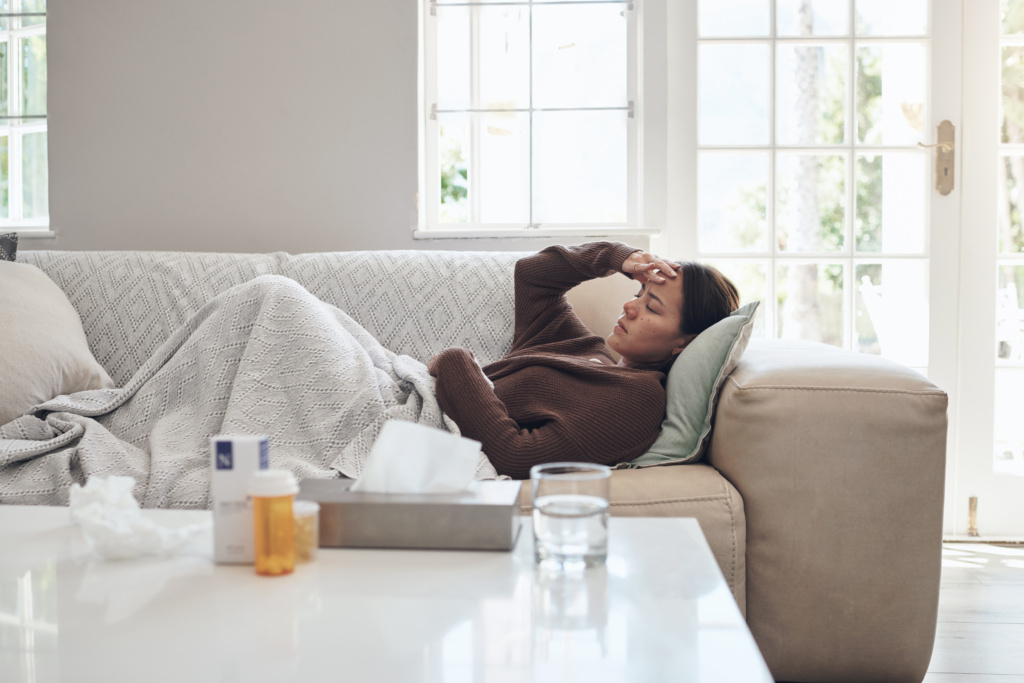
Recovering from a serious illness can be both exciting and challenging. You may feel the joy of getting your life back and, at the same time, face fears or adjustments. Many people feel unsure about how to move forward, dealing with health and emotional issues. If you have recently had a health problem, you might feel a mix of fear and hope for what lies ahead.
Getting back into daily life can be hard, especially when trying to make choices that align with your new outlook. You may wonder how to prioritize your health, choose the right doctor, or explore wellness options. The great news is you can create a fulfilling life after illness.
Focus on Wellness
It’s easy to think that once you recover, your health worries are over. But it’s important to take a whole-person approach to wellness. This means paying attention to your physical, mental, and emotional health. Regular check-ups and a balanced diet can keep you on track. Activities like yoga or meditation can also help your mental health.
Try to eat more whole foods and less processed food. This change can give your body the nutrients it needs to heal and grow stronger. Focus on creating a lifestyle that promotes long-term health and energy. Simple changes, such as cooking at home more often or prepping meals for the week, can make a big difference.
Longevity Clinic
If you want to enhance your health and longevity after a serious illness, consider visiting a longevity clinic Toronto. These clinics focus on prevention and health improvement using the latest treatments. They help people improve their quality of life, beyond just treating immediate health issues.
Doctors at these clinics may create personalized programs based on your health, medical history, and future risks. This tailored care can give you insights into nutrition, exercise, and stress management that fit your needs. Some clinics even offer genetic testing to help you understand how your genetics may impact your health.
Spending time at a longevity clinic can help you gain the tools and knowledge for a long, healthy life. If you want to clarify your health goals, this could be a good option.
Private Doctor
Consider hiring a private doctor for your healthcare needs. This personal approach can help you build a strong relationship with your doctor, especially after recovering from an illness. A private doctor can offer ongoing care, meaning they will know your medical history, concerns, and health goals well.
Having a private doctor usually makes it easier to schedule appointments, which is helpful if you are recovering or need ongoing treatment. A private practice often provides a more comfortable, relaxed setting where you can discuss your health in detail. It’s important to have a supportive doctor who understands your journey and can guide you in making decisions based on your specific needs.
Additionally, a private doctor can coordinate care with other specialists if needed. This reduces the stress of navigating the healthcare system alone and allows you to focus more on healing and your wellness goals.
Emotional and Mental Health
Well-being after a serious illness includes emotional and mental health. It is normal to feel anxiety or depression after recovery, as the experience can leave both physical and emotional scars. Seeking support through therapy, support groups, or conversations with friends and family can help you heal emotionally.
Engaging in joyful activities is also important. Whether you enjoy painting, gardening, or hiking, finding creative outlets can boost your mood and lower stress. Making time for these activities can provide distraction and nurture your spirit, which is just as vital as physical healing.
Connection and Community
Stay connected with social networks. Reaching out to friends, family, and community groups can provide you with emotional support and a sense of belonging, which are very important during this time. Sharing experiences can help deepen understanding and support on your road to recovery.
Consider joining health-focused groups, such as walking clubs or wellness workshops, to meet others on similar paths. Building a support network can strengthen your resilience and create an environment where you can thrive with others.
Taking charge of your life after a serious illness is a journey with both chances and challenges. It is perfectly okay to seek help from a private doctor, a longevity clinic, or your social circles. Ultimately, what matters most is your dedication to living a fulfilling and healthy life, embracing every moment along the way.