


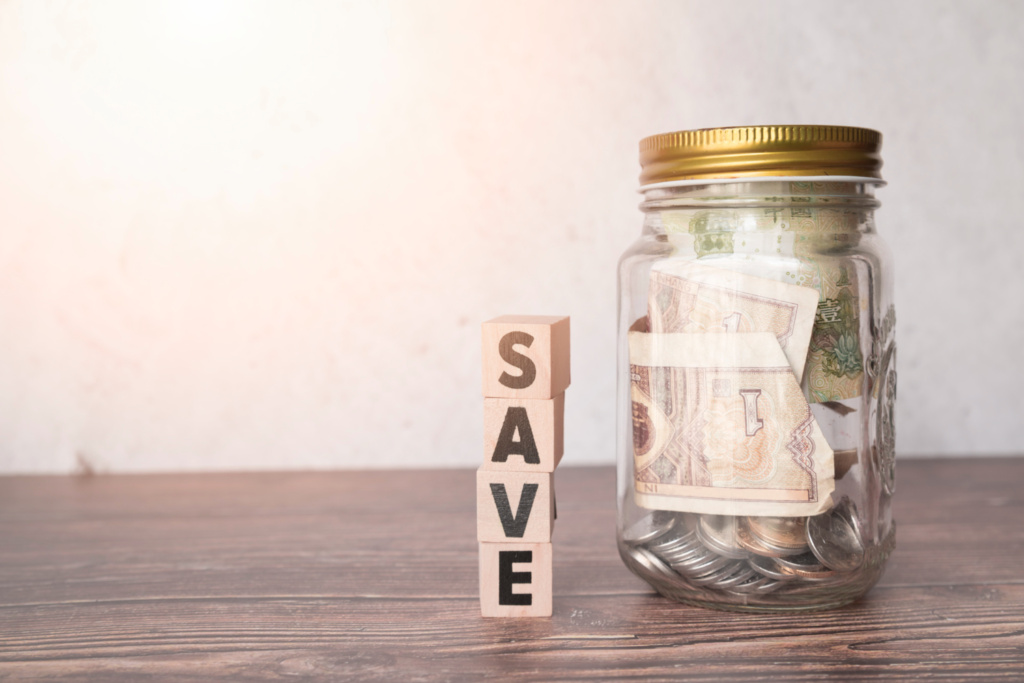
Life has a way of surprising us—sometimes for the better, sometimes not. A car breaks down, a pet needs urgent care, or you suddenly face a job change. These situations are unavoidable, but the stress that comes with them doesn’t have to be. That’s where an emergency fund comes in: a financial safety net that gives you peace of mind and helps you handle life’s unexpected events.
For many people, saving money can feel overwhelming. How much should you put aside? When is it enough? And how do you track progress without feeling lost in numbers? If you approach it like a designer tackling a project, it becomes much simpler. By visualizing your emergency fund, you can turn uncertainty into a clear, actionable plan.
1. Treat Your Emergency Fund Like a Design Project
Designers are good at taking complicated systems and making them easy to understand. Building an emergency fund works the same way.
- Define the Problem: What emergencies are you preparing for? Medical bills, job loss, car repairs, or something else?
- Break It Down: Look at your monthly expenses—rent or mortgage, utilities, groceries, transportation, and discretionary spending.
- Prototype Your Plan: Decide how many months of expenses you want to cover. Experts often suggest three to six months, but it depends on your lifestyle and job security.
A helpful way to figure this out is by using an emergency funds calculator. Instead of guessing, you can enter your expenses and see exactly how much you should aim to save. It’s like creating a blueprint for your financial safety net.
2. Make Your Savings Visual
Once you know your target, it helps to make your emergency fund visible. Seeing your progress can make saving feel more real and less abstract.
Visual Tools You Can Use
- Bar Charts: Track your starting point and your goal. Each deposit becomes a visible milestone.
- Color-Coded Systems: Use colors to show your progress—red for underfunded, yellow for halfway, green when you’re fully funded.
- Savings Dashboard: A spreadsheet or app can help you see your deposits, withdrawals, and total balance at a glance.
Visual tracking doesn’t just keep you motivated—it also shows patterns in your spending. You can see which months are easier to save and when you might need to adjust. Making it tangible turns your goal into something you can actively manage.
3. Automate Your Savings
The best systems are the ones that run themselves. Automation can take the stress out of saving.
- Automatic Transfers: Set up recurring transfers from your checking account to your emergency fund.
- Round-Up Savings: Some apps round up purchases and send the extra change to your savings. Small amounts can add up quickly.
- Windfalls and Bonuses: Put a portion of any unexpected money into your emergency fund. It’s an easy way to make progress even when your regular income changes.
Automation makes saving effortless—less thinking, less stress, more results.
4. Check In and Adjust
No plan is perfect from the start. Your emergency fund should be flexible.
- Regular Check-Ins: Review your fund every few months to make sure you’re on track.
- Life Changes: A new job, a move, or a growing family may change how much you need to save. Update your plan accordingly.
- Maintain Your Fund: Only use the money for real emergencies, and replenish it after any withdrawals.
Treat your fund as something that evolves with your life, not a rigid rule. Flexibility keeps your safety net strong.
5. Keep It Motivating
Saving can feel like a chore if it’s only about numbers. Using design principles can make the process more enjoyable.
- Gamify Your Progress: Set small milestones and celebrate when you reach them. Filling a visual progress bar with each deposit can be surprisingly satisfying.
- Share Your Goal: If you’re comfortable, tell a partner or friend. Accountability helps.
- Make It Easy to Track: Keep your visuals simple and easy to update so you always know where you stand.
Turning your emergency fund into something visual and interactive makes saving feel less like work and more like building something meaningful.
Conclusion
Design principles aren’t just for apps or websites—they can make a real difference in how you handle your money. Thinking like a designer, visualizing your savings, automating deposits, and adjusting along the way makes building an emergency fund manageable.
A strong financial safety net comes from clarity, planning, and consistency. Start small, visualize often, and watch your safety net grow—one step at a time.