


Video evidence has transformed how vehicle crash claims unfold in recent years, often replacing disputes about who said what with clear images of exactly what happened. Knowing where to look for this footage and how to preserve it quickly can mean the difference between a contested claim and a straightforward path to fair recovery.
Why Video Evidence Carries Such Powerful Weight
Insurance disputes traditionally rely heavily on witness statements, photographs taken after the crash, and competing narratives from drivers about what occurred. Video evidence cuts through all of this by showing the actual moments of the collision and the seconds before and after that often determine fault.
The Objectivity of Video Compared to Witness Testimony
Eyewitness accounts vary widely even when witnesses observe the same event. Memory shifts over time, stress affects recall, and witnesses unconsciously fill gaps with assumptions. Video footage suffers from none of these problems. The camera captures what occurred without bias, without selective memory, and without the influence of who is asking the questions later. This objectivity gives video tremendous credibility with adjusters, judges, and juries who otherwise must weigh conflicting accounts against one another.
How Footage Closes Common Disputes Quickly
Many crash disputes center on specific factual questions that video answers immediately. Was the light red or green? Did the driver use a turn signal? How fast was each vehicle traveling? Did the driver come to a complete stop? Was there time to react? Video footage often resolves these disputes in seconds, eliminating the back-and-forth negotiation that dominates cases without visual evidence. Insurance companies that might otherwise dispute fault often shift positions immediately when clear video is presented.
Dashcam Footage and What It Can Capture
Personal dashboard cameras have become increasingly common, and the footage they capture often becomes central evidence in crash cases. Understanding what dashcams record and how to use that footage strategically helps drivers protect themselves before and after a collision.
What Modern Dashcams Record
Modern dashboard cameras typically record continuously, capturing forward views and often interior or rear views as well. Many include GPS data showing speed, location, and direction of travel at every moment. Some models record sound, document sudden impacts with separate event files, and connect to apps that preserve footage automatically when collisions occur. This combination of visual, locational, and acoustic data creates an extraordinarily detailed record of what actually happened.
Why Your Own Dashcam Footage Matters Most
If you have a dashcam in your vehicle when a crash occurs, your own footage becomes essential evidence. Preserving this footage immediately protects it from being overwritten by continuous recording cycles and ensures it remains available throughout the case. Working with an auto accident attorney in Salt Lake City who understands how to authenticate and present this footage helps drivers turn raw recordings into powerful evidence that adjusters and courts take seriously.
Footage From Other Drivers
Even when your own vehicle does not have a dashcam, other drivers involved in or witnessing the crash may have recorded the incident. Identifying these potential sources of footage quickly is essential because most personal dashcam systems overwrite older recordings within days or weeks. A quick request to a witness whose vehicle clearly has a camera mounted on the dashboard can secure evidence that would otherwise be lost forever.
Surveillance Cameras From Surrounding Businesses
Many crashes occur near businesses with security cameras pointed at parking lots, entrances, and adjacent roadways. These cameras often capture events that occurred outside their owner’s property entirely, and the footage can be invaluable when accessed quickly.
Identifying Camera Sources in the Vicinity
Within hours of a crash, take note of every business, residence, traffic signal, and structure within view of the collision location. Convenience stores, gas stations, restaurants, banks, parking garages, and even private homes with doorbell cameras often capture roadway footage as a byproduct of monitoring their own properties. The closer the camera is to the actual collision, the more useful the footage typically becomes.
How to Request Access to Surveillance Footage
Most businesses retain surveillance footage for relatively short periods, often as little as seven to thirty days before older recordings are overwritten. Acting quickly is essential. Polite requests to business owners or managers sometimes produce footage immediately, particularly when the request explains the purpose clearly. More formal requests through legal channels may be necessary when initial inquiries fail, and these requests carry stronger weight when made by experienced legal teams who understand exactly what to ask for and how to document the request.
Traffic Cameras and Public Sources
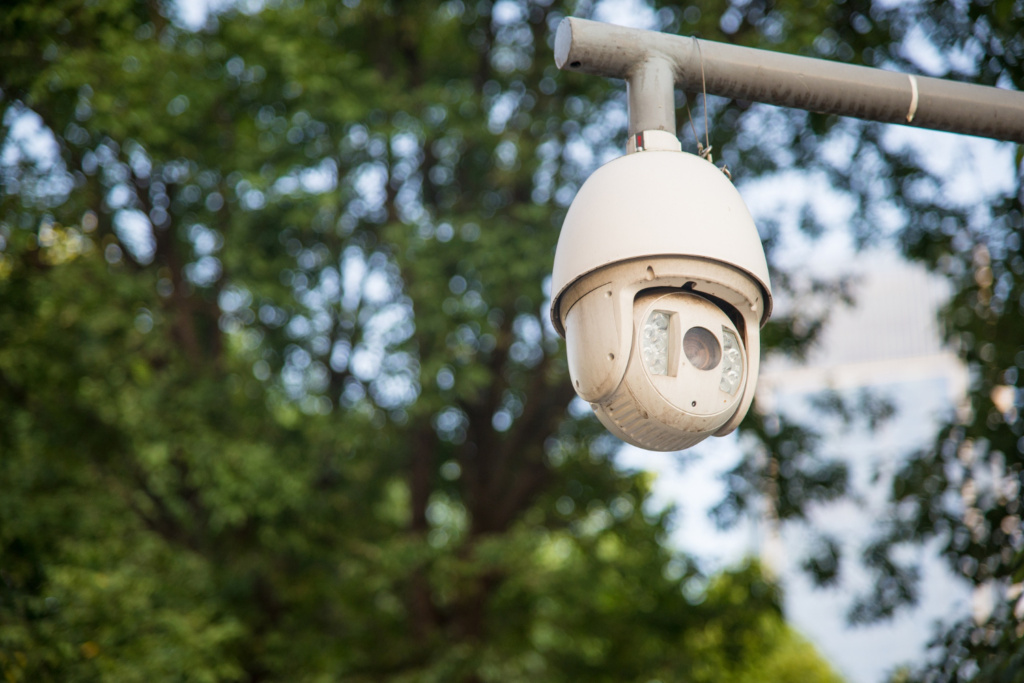
Many intersections have publicly operated traffic cameras that capture footage of vehicles passing through. Access to this footage typically requires formal requests through specific government channels, and the procedures vary by jurisdiction. Strong legal representation knows how to navigate these processes and obtain footage that might otherwise remain inaccessible to individual drivers.
How Video Evidence Strengthens Different Aspects of a Claim
Beyond simply showing what happened, video footage strengthens claims in multiple specific ways that affect the value of settlements and the dynamics of negotiations.
Establishing the Mechanism of Injury
Insurance companies sometimes dispute whether the injuries claimed actually resulted from the crash, particularly in cases where soft tissue damage develops over time. Video showing the force, angle, and circumstances of impact helps connect injuries to the collision directly. A clear recording of a violent rear-end crash makes claims of whiplash and back pain far more credible than the same claims supported only by medical records.
Demonstrating the Reckless Conduct of Other Drivers
Video evidence sometimes captures behavior that goes well beyond ordinary negligence. Texting while driving, running red lights, weaving aggressively, or driving at obviously excessive speeds all carry implications for punitive damages and significantly higher settlement values when documented on video. Footage that shows clearly reckless conduct often transforms cases that would otherwise settle for routine values into claims that recover substantial additional compensation.
Countering False Narratives From Other Parties
Some drivers fabricate or distort their accounts of crashes hoping to shift blame or minimize their responsibility. Video evidence devastates these narratives by showing what actually occurred. The moment an adjuster sees clear footage contradicting their insured driver’s account, the entire dynamic of the negotiation shifts. Stories that seemed plausible become impossible to defend, and offers that seemed firm suddenly become flexible.
Practical Steps to Preserve Video Evidence
Knowing video exists matters little if the footage is lost before it can be obtained. Specific actions in the hours and days after a crash protect this evidence and ensure it remains available throughout the case.
Acting Within the First Days
Most surveillance systems overwrite older footage on rolling schedules, often within a week or two. Acting within the first few days after a crash is essential to preservation. Phone calls, emails, and in-person visits to identified camera owners should happen as soon as possible, sometimes the same day or the following morning when memories of the incident remain fresh and footage is still intact.
Documenting Camera Locations and Owners
Photograph the locations of every potential camera source you identify, noting the apparent angles of coverage and the businesses or owners associated with each camera. This documentation creates a record that supports future requests and helps demonstrate that reasonable efforts were made to preserve evidence, which can matter if disputes arise later about what footage was available.
Working With Legal Teams to Preserve Evidence Formally
Formal preservation letters from attorneys carry weight that informal requests sometimes do not. These letters create legal records of preservation requests and put camera owners on notice that destroying footage could expose them to consequences. This formal layer of protection often makes the difference between footage that remains available and footage that quietly disappears.
Conclusion
Video evidence has fundamentally changed how strong crash claims are built, turning disputes into clear records of what actually happened. Working with experienced legal professionals who know how to identify, preserve, and present this evidence ensures that the powerful protection of video footage works for you rather than disappearing before it can change the outcome of your case.