


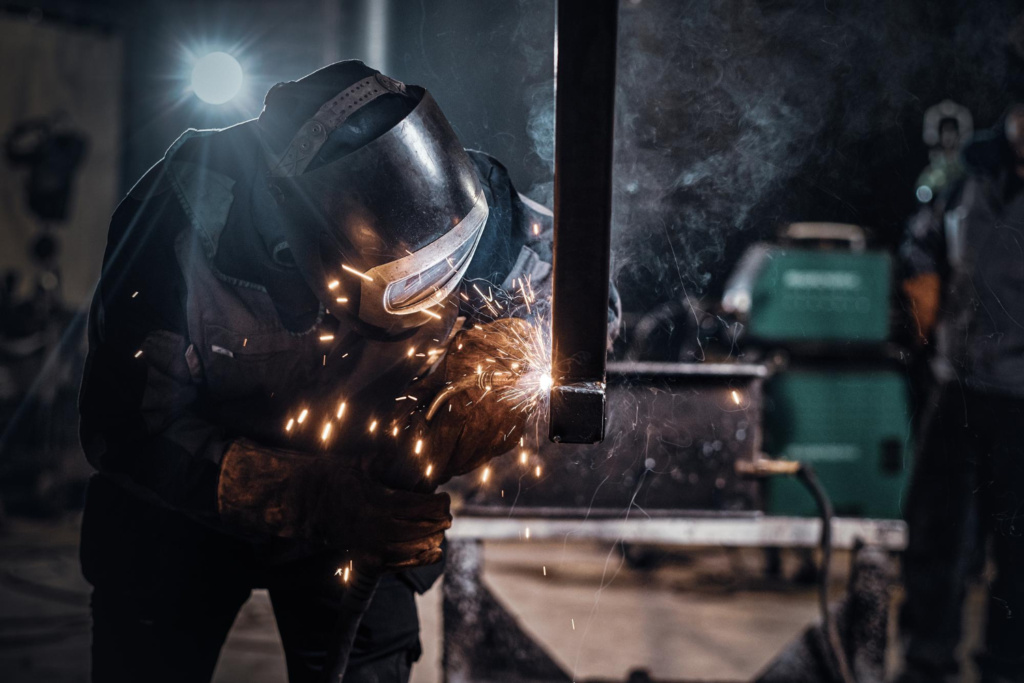
Welding is an essential skill in manufacturing and construction. It is used to build metal structures and make repairs. Welding quality can be crucial to the success of a project. Both experienced welders and beginners can improve their work by choosing the right tools and equipment.
The welding industry offers many tools, each designed for specific tasks. Here’s a look at some of the most common tools and how they can help you succeed.
Welding Machines
The welding machines are the main tool in any welding project. There are different types, each suited for specific welding processes. The most popular types are MIG (Metal Inert Gas), TIG (Tungsten Inert Gas), and Stick welders. Beginners often prefer MIG machines because they are easy to use. They feed a continuous wire that melts when it touches the workpiece, making them quick and efficient.
TIG machines provide more precision, making them ideal for thin materials and detailed work. They use a non-consumable tungsten electrode for cleaner and more controlled welds. Stick welders are versatile and great for outdoor tasks. They work well in heavy-duty situations and resist rust and dirt better than other types. Choosing the right machine depends on your project needs.
Learning about welding machines can seem complicated, but some features are very important. The amperage range, duty cycle, and weight of the machine are key factors. A wider amperage range allows you to weld materials of different thicknesses. The duty cycle shows how long the machine can run without overheating, which is vital for larger jobs.
Welding Supplies
Welding supplies are essential for successful welding projects, just like welding machines. These supplies include everything from welding rods to safety gear. First, let’s look at consumables. Electrode rods and filler metals are important in many welding processes. It’s crucial to choose the right filler material based on the base metals and the job you are doing. For instance, in TIG welding, the choice of filler metal affects the weld’s strength and corrosion resistance.
Now, let’s talk about protective gear. Every welder needs items like welding helmets, gloves, and aprons. A quality welding helmet is essential; it protects your eyes from harmful UV rays, sparks, and debris. Look for helmets with adjustable shade settings for different tasks. Heavy-duty gloves are important for hand protection but should also allow you to move your hands easily. Control is key when working with materials.
Safety Equipment
Safety equipment is also vital. It’s not just about following regulations; it’s about keeping yourself safe in a potentially dangerous environment. Ventilation tools, fire-resistant clothing, and respiratory protection should be in every welder’s toolkit, especially for those working in tight spaces or areas with harmful fumes. Investing in good safety supplies helps you focus on your work without worrying about getting hurt.
When putting together your welding toolkit, think practically. The right tools improve performance and ensure safety and precision in every task. Whether you’re new to welding or upgrading your equipment, knowing these tools and supplies can make a big difference in your welding experience.
Each tool and piece of gear helps you achieve quality work. By understanding and investing in the right equipment, you can have a more enjoyable and successful welding career.
Welding Techniques
Knowing welding techniques is just as important as having the right tools. Each welding method requires specific skills to create strong, trustworthy welds. Learning these techniques can improve the quality of your work.
For MIG welding, keep your hand steady and hold the gun at the right angle as you move along the joint. Moving at a consistent speed helps ensure even penetration and prevents problems like undercutting or incomplete fusion. With TIG welding, you must skillfully manage the tungsten electrode and the filler rod. Maintain the proper distance from the workpiece and control heat to achieve clean, precise welds, especially on thin materials.
Stick welding has a different approach. You need to maintain a consistent arc length and speed. This method can be harder, especially for vertical or overhead joints. Practicing in different positions will boost your confidence and adaptability for various projects. The more you practice these techniques, the better your results will be.
Continuing Education and Certification
The welding field is constantly changing. New techniques, technologies, and safety regulations come up regularly. Therefore, ongoing education and certification are important for anyone who wants to advance in their welding career or improve their skills.
Many trade schools and community colleges offer welding programs that teach both theory and practical skills. These programs provide hands-on experience with various welding tools and methods, helping students learn the trade. Earning certifications from recognized organizations, like the American Welding Society (AWS), can boost your credibility and job prospects.
Attending workshops and seminars helps welders learn about new technologies, materials, and safety practices. Networking with other professionals can also provide valuable insights and tips to improve your skills.