


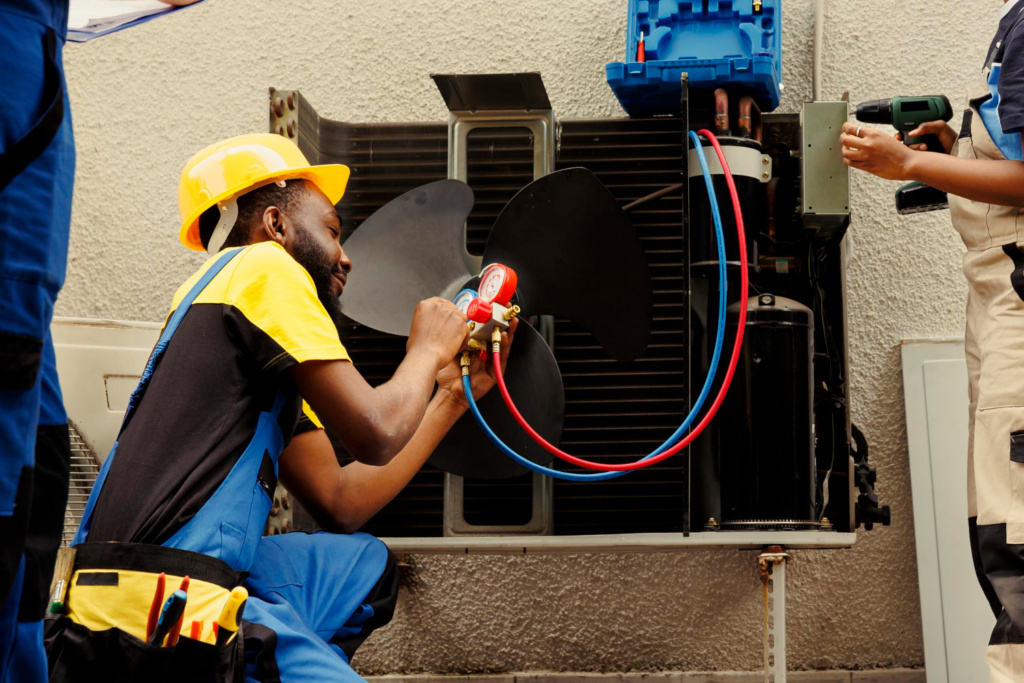
When disaster hits your home, and your air conditioning or heater stops working, it can be overwhelming. We depend on HVAC systems to keep our homes comfortable, and when they fail, we realize just how important they are. Luckily, dealing with HVAC emergencies doesn’t have to be stressful. With some knowledge, you can handle the situation confidently.
Let’s look at how to stay comfortable and safe during HVAC issues.
What is HVAC?
HVAC stands for Heating, Ventilation, and Air Conditioning. These systems work together to create a comfortable indoor space by controlling temperature and air quality. A good HVAC system improves your everyday life by keeping temperatures steady throughout the year and improving air circulation.
Understanding how your HVAC in Oakville works can help you manage potential problems. When everything is working well, the system uses fans, ducts, and compressors to move heated or cooled air around your home. Regular maintenance keeps the system efficient and extends its lifespan. Many modern systems come with smart technology, making it easy for you to monitor their performance and make adjustments.
Spotting Problems Early
Noticing signs of HVAC trouble can prevent bigger problems later. Unusual noises, unexpected energy bills, or uneven temperatures may mean your system needs help. If you see these signs, act quickly. Try to figure out what’s wrong, or contact a professional.
If temperatures vary a lot in your home, you might have issues with the ducts or thermostat. If you hear loud banging or clanking sounds, loose parts in your HVAC system may need immediate attention. Knowing what to look for helps you tell the technician about the symptoms, making it easier for them to diagnose and fix the issue.
How to Respond in an Emergency
During an HVAC emergency, stay calm. First, turn off the system to avoid further damage. If your air conditioner is leaking, it’s crucial to stop it right away to prevent mold growth or electrical issues. Check your home for other immediate dangers, like leaks or strange smells.
Then, gather information about the system and what you’ve observed. Note the model and any special features of your HVAC unit. Write down any error codes on digital displays or symptoms you noticed before the failure. This information will help HVAC professionals fix the issue quickly when they arrive.
Professional Help
If your HVAC system is not working, it’s important to contact a qualified technician. Having a reliable technician on speed dial is a smart idea. They can respond quickly when you have an emergency. These professionals have the skills and knowledge to fix problems that you might not be able to handle yourself.
When you talk to your technician, share all the information you have. Good technicians appreciate customers who can describe the problem. This helps speed up the repair process. They will assess the situation, identify the issue, and offer solutions specific to your system. Whether it’s a small fix or a larger repair, their expertise will help make your home comfortable again.
Emergency Plumbing Help
Sometimes, HVAC issues are linked to plumbing problems, especially with heating systems that use water. Knowing an emergency plumber can help you when crises arise. Just like HVAC systems, plumbing systems also need regular check-ups to prevent major issues.
If your boiler is malfunctioning or your furnace is leaking water, an emergency plumber can fix the water problems while the HVAC technician works on temperature control. This teamwork helps restore safety and comfort in your home more quickly.
Having both services readily available can make a significant difference in unexpected situations and ensure your home remains comfortable.
Importance of Self-Maintenance
To avoid emergencies, it’s important to keep up with regular maintenance. Change your filters often, look for visible wear or leaks, and keep outdoor units clear of debris. Scheduling seasonal inspections with an HVAC technician can help prevent emergencies before they happen, giving you peace of mind.
Even though unexpected issues can still arise, being proactive lowers the chance of surprises. Staying informed about your systems is your best strategy for comfort and safety.
What matters most is balancing your knowledge about your systems with having reliable professionals ready to help. Keeping your home comfortable doesn’t have to be hard. It’s all about being prepared and having the right resources.