


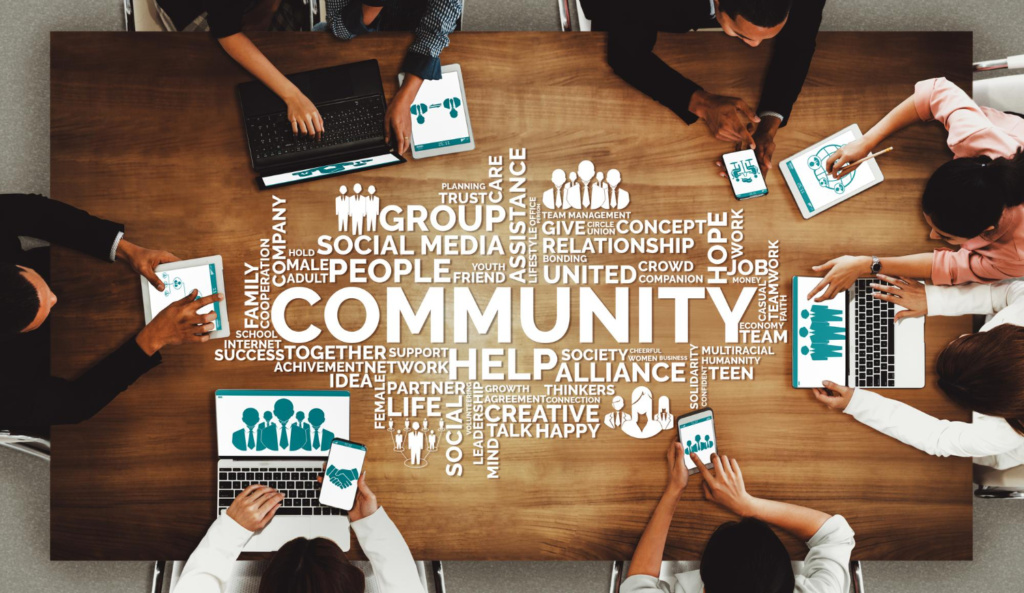
Strong communities are not built by planners, developers, or local governments alone, right? They are created through collaboration where residents, businesses, organizations, and decision-makers all have a voice in shaping the places they live and work. Public engagement plays a vital role in community development because it helps to ensure that projects really do reflect the needs, values, and priorities of the people they are designed to serve.
When communication is open and meaningful, communities are much more likely to support new initiatives and contribute to their success in the long-term.
Why public engagements matter
Community development projects often involve significant changes, whether it’s building new parks, improving transportation systems, upgrading public facilities, or addressing environmental concerns. Without public input, even well-intentioned projects may fail to meet local expectations.
Engaging residents early in the planning process allows organizations to gather valuable feedback, identify potential concerns, and discover ideas that may otherwise have been overlooked. People are more likely to support projects when they feel their opinions have been heard and respected.
Communication builds trust
Successful public engagement really depends on how effective communication is. Technical information, planning documents, and engineering reports can all be hard for the average person to understand if they are presented without context, and that is why clear visuals, easy-to-understand language, infographics, interactive presentations, and public workshops are all useful when it comes to helping the public understand the complexities of various topics.
When organizations communicate openly and transparently, they build trust with their communities, and this is important because you need to have the public onside when you are carrying out projects with long timelines or a significant local impact.
Technology makes participation easier
Digital technology has transformed public engagement by making it easier for people to participate regardless of their location or schedule.
Online surveys, virtual town hall meetings, interactive project websites, and social media platforms allow organizations to gather feedback from a much broader audience than traditional public meetings alone. These digital tools also help keep residents informed throughout every stage of a project, encouraging ongoing communication rather than one-time consultation.
Support better environmental decisions
Many community development projects involve environmental planning, infrastructure improvements, or waste management initiatives. These topics often require specialized expertise while also benefiting from public participation.
For example, projects involving solid waste engineering consulting may combine technical analysis with community feedback to develop waste management solutions that are both practical and responsive to local priorities. By communicating technical findings clearly and inviting meaningful public input, organizations can create plans that balance environmental responsibility with community needs. Bringing experts and residents together often leads to stronger long-term outcomes.
Encourage long-term community support
At the end of the day, having the support of the local community is really important, and communicating throughout the project is one of the best ways to do this. It helps to keep expectations realistic while also demonstrating accountability, and this helps to keep the community on side so that they are less likely to lodge complaints or to refuse to give their support to future projects.