


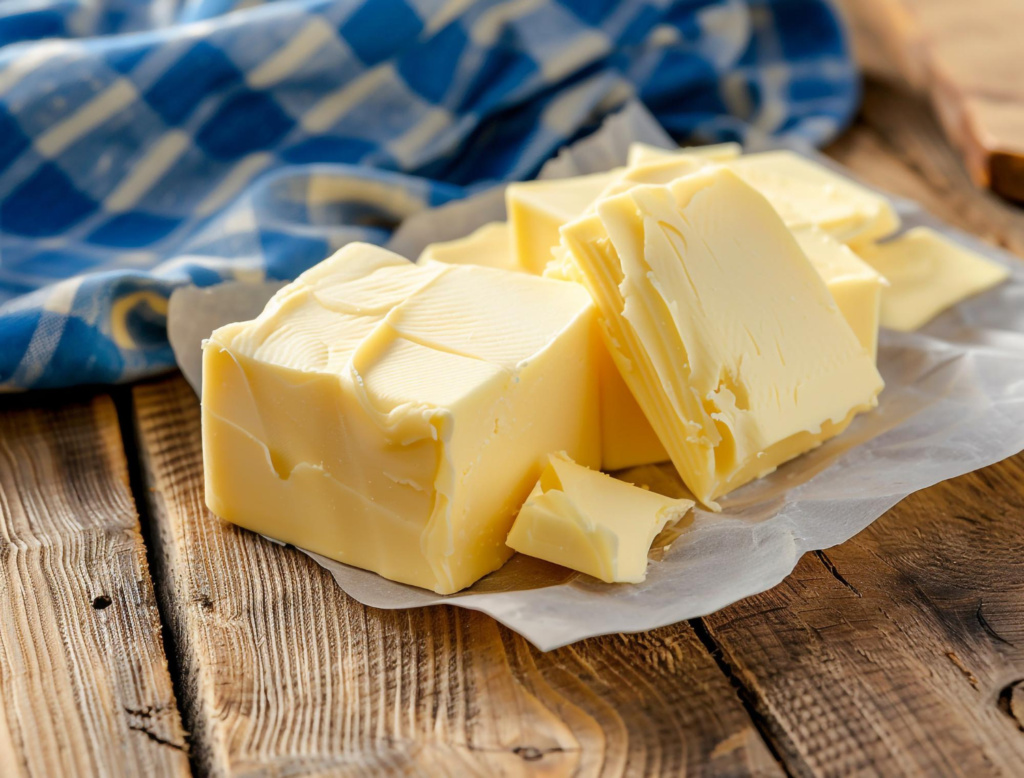
Starting a micro-dairy is one of the more rewarding paths into small-scale food production. But the equipment you choose early on shapes everything from your output consistency to your profit margins. The best butter churning machines for starting a micro-dairy business aren’t just about volume; they have to match your workflow, your space, and your budget from day one. Get the wrong machine, and you’re either under-producing to meet demand or over-investing in capacity you won’t use for years.
Features to Look for in Butter Churning Machines for Micro-Dairies
The real difference between a machine that fits a micro-dairy and one that simply occupies the same space comes down to a short list of specs that actually matter at small-scale production. If you’re researching an electric butter churn for dairy processing, the first questions to ask are about drum capacity, daily production targets, and whether the motor handles continuous use without overheating. Most entry-level operators underestimate how quickly a modestly sized churn hits its limits once you move from weekend hobby batches to five-day-a-week production runs.
Build time and ergonomics matter too. A machine that takes 40 minutes to clean after every batch will slow your entire daily schedule. Look for food-grade stainless steel drums, sealed bearings that don’t require daily lubrication, and a straightforward disassembly process that fits between production runs without becoming its own project.
Capacity and Production Volume Requirements
Capacity is the single spec most new micro-dairy owners get wrong, and the mistake goes in both directions. Buy too small, and you’ll run the same machine two or three times a day to meet orders, which shortens motor life and adds labor hours you didn’t budget for. Buy too large and you’ll spend months running the churn at 30 to 40 percent of its rated capacity; that can affect emulsification and the consistency of your final butter texture. For a micro-dairy producing 20 to 50 pounds of butter per week, a churn with a working capacity in the 10 to 20 liter range is typically the right starting point. You’ll process a meaningful batch in one run without idling at low fill levels. As your operation scales, the decision becomes whether to run a second shift on the same machine or add a second unit; that choice depends on your labor model more than on the equipment itself.
Power Source and Automation Capabilities
Power source matters more than many buyers expect, especially if your processing space isn’t connected to a dedicated 220V circuit. Most residential and small-farm electrical setups run on standard 110V outlets, so a machine that demands a higher voltage becomes an installation project before it becomes a production asset. That said, 220V motors do offer a torque advantage at higher cream volumes; if you’re planning to expand within the first year, the upfront cost of wiring a dedicated circuit may be worthwhile.
On the automation side, look for timers with automatic shutoff, variable speed controls that let you match drum rotation to the fat content of the cream, and a clear viewing window or indicator light so you don’t have to pause the cycle to check progress. Even a semi-automatic machine with a programmable cycle saves meaningful time over a full production week compared to fully manual churns. Fully manual options still exist and work for very small batches, but they’re more labor-intensive than most operators want to commit to.
Top Butter Churning Machine Options for Small-Scale Dairy Operations
Choosing among the available models means balancing three variables that rarely align perfectly: output capacity, upfront cost, and ease of daily use. The machines that work best for micro-dairy startups are purpose-built for small commercial runs; they’re not repurposed residential appliances or scaled-down industrial units. Purpose-built small-commercial churns come with the right drum geometry, motor gearing, and seal quality to handle the fat concentrations and batch temperatures you’ll work with in a dairy context. That distinction matters because a residential butter churn designed for occasional home use will wear faster under daily production schedules.
Before you commit to any model, check the manufacturer’s stated duty cycle and how many consecutive hours of operation it’s rated for. And look at user reviews from people running the machine in a commercial or semi-commercial context, not just home kitchen settings.
Electric Butter Churn Models for Consistent Daily Output
Electric churns designed for consistent daily output share a few common traits: sealed stainless steel drums, belt-drive motors in the 100 to 300 watt range, and programmable cycle times that eliminate the guesswork of knowing when cream’s broken into butter and buttermilk. The better models include a drain valve at the base of the drum, which lets you remove buttermilk without disassembling the unit, a small detail that cuts several minutes off each batch. For daily production runs, look for a model with a minimum IP44 moisture rating on the motor housing; processing environments tend to involve steam, splashing, and humidity that’ll degrade an unprotected motor faster than the warranty period. Stainless steel drum interiors are also non-negotiable for food-contact compliance in most U.S. states, so verify material specs against your local cottage food or commercial food processor regulations before you purchase.
Cost-Effective Machines for Startup Budgets
Startup budgets for micro-dairy operations rarely have room for large capital equipment purchases. That means the cost-to-output ratio of your churn matters as much as its feature list. In the current market, small-commercial electric churns in the 10 to 15 liter capacity range typically fall between $300 to $800, depending on motor quality, drum material, and whether the unit includes accessories like paddles, strainers, or a mold set.
Machines at the lower end of that range are often sufficient for a 20 to 30 pound weekly output, but they may require more frequent maintenance and lack the variable speed controls that higher-end models include. Here’s the thing: a practical approach for budget-constrained startups is to purchase a mid-range model with a two-year warranty and a clear return policy. Then invest the remaining capital in cream separator quality and cold storage; those two areas create more production problems than the churn itself ever would when you skimp on them.
Conclusion
The best butter churning machines for starting a micro-dairy business don’t share a single brand or price point. They share the right fit between capacity, automation, and your actual weekly production targets. So start with a working volume in the 10 to 20 liter range, confirm your electrical setup before you buy, and prioritize a sealed stainless drum with a simple cleaning process. Budget carefully across all your equipment categories, not just the churn. Cold storage and cream quality shape the butter you produce more than machine specs alone.