


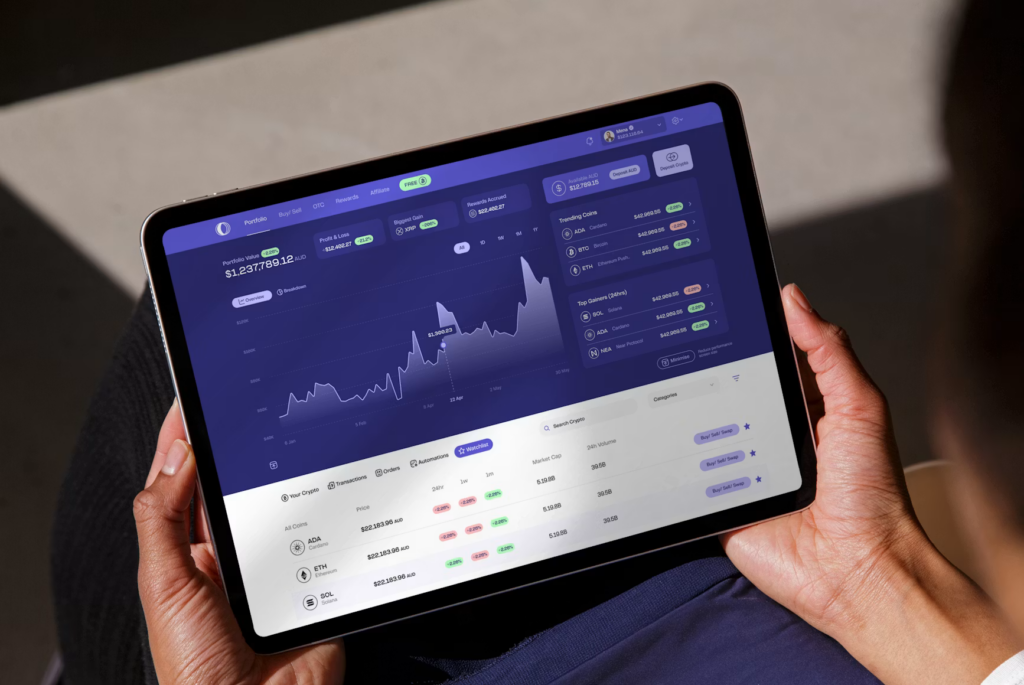
Designing a user-friendly interface for any digital product is tough, but it’s even more critical for financial tools. A poorly designed banking app or investment platform can do more than just annoy users; it can lead to expensive mistakes, cause stress, and break trust. Good financial UI/UX design gives users clarity and confidence, helping them manage their money safely and efficiently.
The Impact of UI/UX in Finance
Traditional UX approaches often fall short in the financial sector. They don’t fully address the high levels of user anxiety or the absolute need for clarity. A well-designed financial interface guides users through transactions clearly and makes them feel in control.
On the other hand, a confusing interface can be disastrous. Vague labels, a messy layout, or an illogical process can cause users to make errors, give up on tasks, or completely lose faith in the service. In fact, research shows that traditional UX often fails in the financial sector because it doesn’t account for the high levels of user anxiety and the need for absolute clarity.
Key Principles for Financial Interface Design
Building a successful financial interface needs a commitment to specific design principles. The power of visual design in financial services lies in making complex information clearer, guiding attention, and helping users feel more confident. These principles put the user’s psychological and practical needs first and are key to building trust and ensuring usability.
- Clarity Over Cuteness: While good looks matter, clarity is always more important. Use simple language and avoid industry jargon. For example, label a button “Transfer Money” instead of “Initiate Funds Transfer.” Every element on the screen should have a clear purpose.
- Transparency and Feedback: Users need to know what’s happening with their money all the time. Give immediate confirmation for actions like payments and transfers. Use visual cues, such as checkmarks or status bars, to show progress and completion.
- Prioritize Security Cues: Visually emphasize security. Showing padlocks, using biometric confirmation prompts, and sending transaction alerts all help users feel their information is safe. This isn’t just a technical detail; it’s a crucial part of the user experience.
Building on Robust Backend Systems
A sleek, easy-to-use interface is only as good as the system behind it. A beautiful design will quickly frustrate users if it’s slow, buggy, or shows wrong information. The front-end experience depends directly on how well and reliably the back-end architecture performs.
This includes everything from the main processing systems to the data connections that feed the app. Modern financial products often rely on strong backend connections, like corporate banking APIs, to securely pull and push data in real time. This ensures the interface shows accurate financial information. Without this solid foundation, even the most carefully designed interface won’t give users a good experience.
Testing for Usability and Clarity
For financial applications, usability testing goes beyond typical A/B tests on button colors or layouts. The main goal is to find and fix any confusion that could lead to a user error. Moderated usability testing, where a facilitator watches a user try to complete specific tasks, is extremely valuable.
Asking users to “think aloud” as they try to pay a bill or check their investments reveals hidden flaws in the design logic. Scenarios should focus on common but important tasks. Watching where users hesitate, seem confused, or make mistakes gives direct insight into what needs fixing before the product goes out to more people.
Future Trends in Financial App Design
Financial tools will keep changing, driven by new technology and what users expect. Hyper-personalization is a big trend, with apps using AI to give tailored financial advice and budget insights based on a person’s spending habits.
Another growing area is integrating financial wellness tools that do more than just track transactions; they help users set and reach long-term goals. We’re also seeing a shift towards more conversational interfaces, including voice commands for banking tasks, which can make finance easier for everyone. The common thread in these improvements is a deeper focus on the human side, aiming to make managing money less stressful and a more natural part of daily life.
Designing for finance means designing for trust. By focusing on clarity, giving constant feedback, and building on a secure foundation, you can create interfaces that empower users and help them build a healthier relationship with their money.