


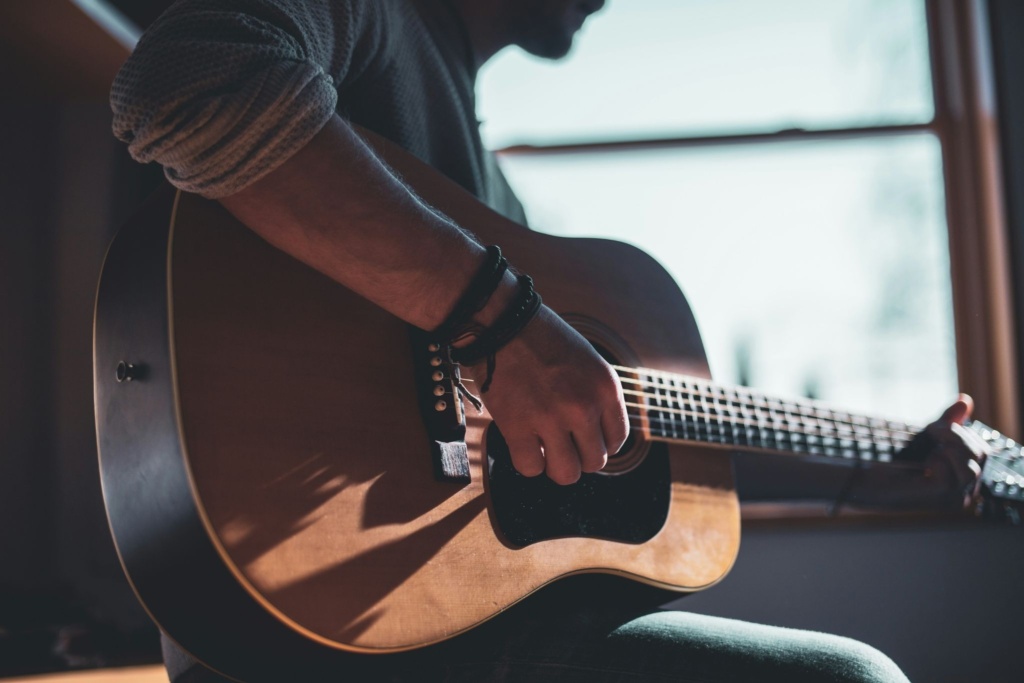
When learning to play an instrument, left-handed players must make a few practical choices that right-handed novices never have to consider. The process is simple, from selecting your instrument orientation to locating the best instructor and obtaining the necessary equipment, but it is helpful to have precise information before you start. An Ibanez left-handed classical guitar, for example, is a specially designed instrument that eliminates compromise from the outset and allows you to concentrate solely on learning.
The Core Decision: Left or Right-Handed?
Deciding whether to learn on a left-handed instrument or adjust to playing right-handed is the first choice that every left-handed beginner must make. There isn’t just one right response. Some left-handed musicians discover that studying right-handed is ideal because, in standard playing technique, the lead hand performs many of the more difficult tasks. For others, a left-handed instrument immediately feels more comfortable and natural. Both methods produce great players. What feels most natural to you should be the deciding factor.
Why a Proper Left-Handed Instrument Matters
A left-handed instrument is often more than just a right-handed instrument played in the opposite direction. The different parts are usually set up especially for left-handed playing, and the strings may run in reverse order. A well-made left-handed instrument is the ideal place to start if you’ve made the decision to play left-handed, and the difference in playability between it and an improvised substitute is apparent right away.
Finding the Right Instrument
Because the left-handed market is smaller than the right-handed one, there are fewer options in most stores, and some models are more difficult to find. A trustworthy retailer may frequently order particular instruments that are not kept in regular stock, and online retailers with a dedicated left-handed section typically provide a broader selection than general music stores. Lead times for some left-handed models may be greater than those for their right-handed counterparts, so it’s important to consider this before you need the instrument rather than later.
Finding a Teacher Who Can Work With You
The majority of music instructors are right-handed and approach teaching from that viewpoint. They are nevertheless a good option for a left-handed learner. Many left-handed players find it easy to follow when a teacher sits across from them since their hand positions are effectively matched. This will come readily to a teacher who has already worked with left-handed kids. Those who haven’t could require a brief period of adjustment. Most of the time, the effectiveness of instruction is considerably more important than the teacher’s own style.
Specific Considerations for Classical Guitar
Instrument setup is especially crucial for classical guitar technique. If you’re a left-handed musician, you hold the guitar in the mirror image of the typical classical stance, which is resting on your right knee and oppositely crossing your body with your fretting arm. To effectively learn appropriate technique, an instrument must be set up for left-handed playing from the beginning, including the nut, saddle, and string order. A well-specified left-handed classical guitar provides the physical basis for such.
One Extra Challenge Worth Acknowledging
The majority of teaching materials, including books, chord diagrams, and internet videos, are designed with right-handed players in mind. The ability to mentally mirror visual teaching is a skill many left-handed musicians develop rapidly early on in their learning. It is also important to remember that having to mirror techniques can be a point of friction at the beginning, and to keep in mind that it is not a personal shortcoming. There are left-handed-specific resources available, and they are worth looking for, particularly during the initial weeks when learning becomes even more difficult due to the mental translation.
Starting Right Regardless of Which Hand Leads
Once the instrument orientation decision is made, it largely ceases to be a factor. All that’s left is the same path that all beginners take: consistent practice, steady advancement, and the gratifying moments when something impossible begins to feel natural. Left-handed players can experience those moments on the same timetable as everyone else with some careful instrument choice and some determination.