


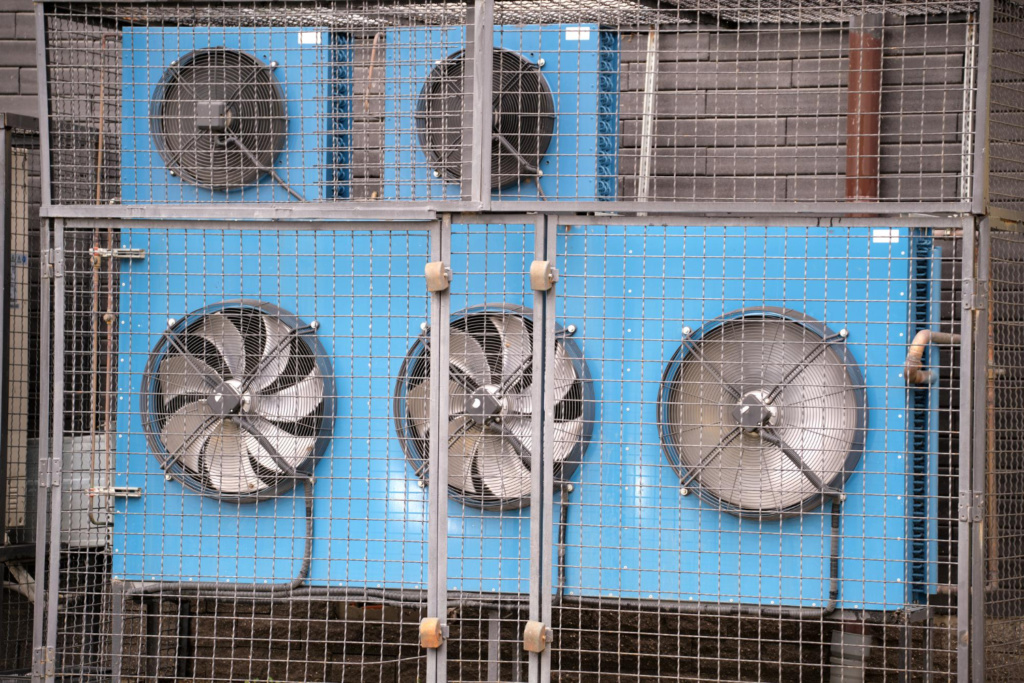
Large industrial spaces require controlled air movement to support comfort, equipment performance, and efficient climate control. A fan that is too small or poorly placed may leave warm zones across the facility. Careful product selection helps the airflow system match the building instead of creating new operational problems across long shifts and seasonal changes.
The right industrial-grade HVLS fan systems depend on ceiling height, floor area, obstacles, climate demands, and daily facility use. Large-diameter fans can move substantial air at low speed across warehouses, plants, docks, and other open interiors. So, below are the main factors that deserve review before a facility chooses an industrial HVLS solution.
Match Fan Size to the Facility
Fan diameter should suit the floor area and the amount of open space available beneath the unit. Industrial models can range across several large diameters, so one size does not fit every building. A larger fan can cover broad areas when adequate ceiling clearance and structural support are available.
Ceiling height also affects airflow reach and the distance between the fan and occupied zones. Racks, cranes, lights, sprinklers, and ducts can restrict the space available for safe installation. A detailed site assessment helps determine suitable dimensions, safe clearances, and practical placement before equipment specifications become final.
Compare Airflow Requirements and Fan Design
Facilities with high heat loads may need stronger air movement than spaces with moderate comfort demands. Warehouses, production areas, and loading docks can also have different airflow patterns within the same property. Fan selection should reflect actual conditions instead of a general square-foot estimate.
Blade profile and motor performance influence how effectively an HVLS fan moves air across the floor. Some systems focus on maximum airflow, while others suit spaces with moderate circulation needs. The correct design should support broad coverage without excessive speed or unnecessary electrical demand.
| Selection Factor | What to Review | Why It Matters |
| Fan diameter | Floor area and ceiling clearance | Determines practical coverage |
| Airflow level | Heat load and occupied zones | Supports suitable air movement |
| Drive system | Direct drive or gearmotor | Affects operation and service needs |
| Controls | Speed and multi-fan access | Helps manage system output |
| Site layout | Racks, lights, ducts, sprinklers | Protects clearance and airflow |
Review Motor Type and Energy Use
Industrial fans may use direct-drive motors or gearmotor systems, depending on model and performance goals. Direct-drive designs reduce the number of mechanical parts between the motor and fan hub. Gearmotor options can also provide dependable operation for demanding industrial spaces.
Energy use should be evaluated alongside airflow output, expected runtime, and HVAC interaction. A fan with suitable capacity may reduce reliance on several smaller units across a large interior. Efficient operation becomes more valuable in facilities where fans run for long shifts throughout the year.
Consider Controls and Daily Operation
Modern controls can give facility teams precise access to fan speed and operating schedules. Some systems also allow several fans to work through one central interface for easier management. This level of control can help staff adjust airflow as occupancy, temperature, or production needs change.
Controls should remain simple enough for routine use without extra steps for operators. Remote access may also benefit facilities with several large zones or limited access to wall panels. A practical control setup helps the selected industrial-grade HVLS fan systems match real operating demands.
Check Installation Conditions and Service Access
Structural support must handle the selected fan, mount, and operating loads safely. Clearances around sprinklers, lights, cranes, racks, and other ceiling equipment also require careful review. Electrical access and local installation requirements should be confirmed before the purchase reaches the final stage.
Future service access deserves the same attention as initial placement. Technicians need practical space to inspect motors, blades, mounts, controls, and electrical connections over time. Good access can reduce service complications and help facility teams protect dependable fan performance.
A strong HVLS selection starts with facility conditions, airflow goals, motor design, controls, and installation requirements. Careful review helps match equipment capacity with the actual space and supports practical long-term operation. Professional system planning can help industrial facilities achieve broad air movement, steady comfort, and efficient operation without unnecessary complexity or wasted energy throughout the facility.