


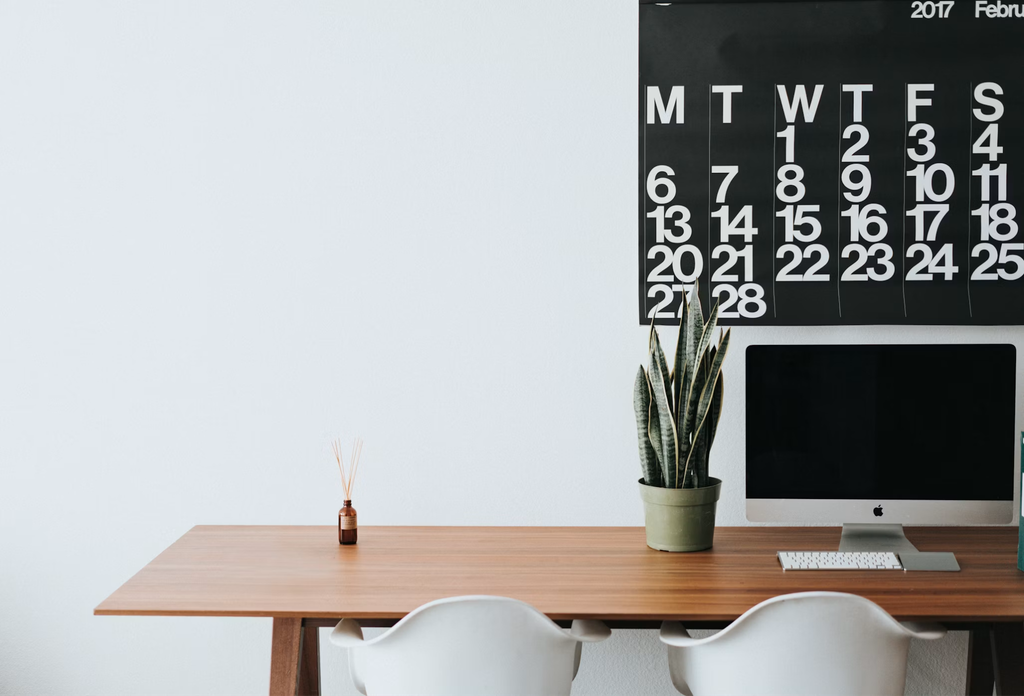
The constant stream of visual information in our daily lives can either help us focus or completely throw us off. In a world full of distractions, from overflowing email inboxes to cluttered desktops, consciously shaping what we see is a powerful way to boost productivity. Specific visual techniques can reduce mental strain, improve concentration, and create a smoother workflow. These strategies involve intentionally designing your surroundings and systems to help your brain stay on task. This guide shows practical visual methods to sharpen your focus and achieve mental clarity.
Visual Decluttering for Mental Clarity
A messy desk or a chaotic digital desktop can drain your mental energy. Every misplaced item or random file fights for your attention, creating a low-level, constant distraction. This visual “noise” forces your brain to work harder to filter out irrelevant information, leaving less mental energy for the tasks that truly matter. Research suggests that a disorganized environment can lead to stress, anxiety, and a harder time focusing. Creating a clutter-free workspace is one of the best first steps to regaining your attention.
The link between your surroundings and your internal state is deep. Simplifying what you see helps quiet your mind. Taking time to declutter can boost your visual mind and make room for deeper thinking.
Here are a few quick tips to get started:
When you pick something up, decide what to do with it right away. File it, act on it, or throw it away. Don’t just put things down to deal with “later.” Give everything a home. Assign a specific spot for all your essential tools, from pens and notebooks to digital files. This saves you the mental energy of searching for things. Schedule daily tidies. Dedicate five to ten minutes at the end of each day to reset your workspace. This small habit stops clutter from building up and ensures you start the next day with a clean slate.
Fueling Focus for Peak Performance
While organizing your external world matters, true focus starts within. Your brain’s ability to process visual information and stay concentrated is closely tied to your physical well-being. Poor nutrition, dehydration, or lack of sleep can impair how your brain works, making it much harder to stay productive no matter how organized your desk is. Think of your brain like a high-performance engine that needs the right fuel to run at its best.
That means prioritizing a balanced diet rich in brain-supporting nutrients such as omega-3 fatty acids, antioxidants, and B vitamins. Staying hydrated throughout the day matters too, as even mild dehydration can leave you feeling tired and unfocused. Good sleep is just as important, giving your brain time to recover and process information. Even something as simple as checking the ingredients in supplements, from everyday vitamins to formulations such as those from Pharmacom, can help you understand what you’re actually adding to your routine. The basics still matter most, though. Eating well, staying hydrated, and getting enough sleep give your brain a solid foundation for staying focused throughout the day.
Optimizing Your Workspace with Design
Once you declutter your space, the next step is to make it comfortable and efficient. A well-designed workspace helps improve your mental state, reduces distractions, and prevents discomfort that can pull you out of a flow state. How you organize your home office can significantly impact your daily output.
Start with ergonomics. Adjust your chair, desk, and monitor to promote good posture. Keep your monitor at eye level to prevent neck strain, and rest your feet flat on the floor. Next, consider your lighting. Natural light is ideal as it has been shown to boost mood and energy levels. If possible, position your desk near a window. If not, use layered lighting, a combination of overhead ambient light and a focused task lamp, to reduce eye strain and headaches. Finally, think about your workflow. Arrange your tools and materials based on how often you use them. Keep essential items within arm’s reach and store less-used supplies out of sight to keep your primary work zone clear.
The Role of Color in Concentration
Color is a subtle but powerful tool in visual communication that can significantly influence your mood, emotions, and cognitive performance. Using color strategically in your workspace can help create an environment that supports concentration. The psychology of color suggests that different hues trigger different responses in our brains, and you can use this to your advantage.
Consider these common associations when designing your workspace:
- Blue: This color is often linked to tranquility and calmness. It can help lower blood pressure and slow heart rate, making it ideal for environments that require deep focus and intellectual work. A blue accent wall or desktop background can promote calm concentration.
- Green: Evoking nature, green is a restorative and balancing color. It’s easy on the eyes and can help reduce visual fatigue during long work sessions. Adding plants or green-toned accessories can create a more refreshing, enduring workspace.
- Yellow: Associated with optimism and energy, yellow can be a great stimulant. However, too much can be overwhelming. Use it sparingly as an accent color, perhaps on a notepad or a pen cup, to add a touch of brightness and creativity.
- Red: As a dominant and high-energy color, red can increase heart rate and create a sense of urgency. While it can highlight critical alerts or action items, use it with caution in a workspace designed for sustained focus.
Visual Aids for Goal Setting and Tracking

Image Credit: Pexels
Making your goals and progress visible is an incredibly effective way to stay motivated and focused. Abstract goals can feel overwhelming and distant, but translating them into a visual format makes them tangible and manageable. Visual aids provide constant, passive reminders of what you’re working toward and how far you’ve come, helping you stay on track.
One of the most popular visual tools is the Kanban board. Whether you’re using a physical whiteboard with sticky notes or a digital app like Trello, the system is simple: create columns for “To Do,” “In Progress,” and “Done.” Moving a task from one column to the next provides a clear sense of accomplishment and a visual overview of your entire workflow. This method prevents you from getting bogged down in details and helps you see the bigger picture at a glance.
For long-term projects or life goals, a vision board can be a powerful motivator. By collecting images, quotes, and symbols that represent your desired outcomes, you create a visual representation of your future. Placing it where you see it daily reinforces your commitment. Similarly, color-coding your digital calendar or physical planner can instantly bring order to a chaotic schedule, helping you see how you allocate your time across different projects or areas of your life.
Start with one small step today. Clear your desk, add a plant, or color-code your calendar. You might be surprised at the immediate impact it has on your mental clarity and productivity.