


A collectible’s worth is never determined by age or scarcity alone. How an object looks—its form, color palette, material texture, and overall composition—directly shapes how buyers perceive and price it. Whether the item is a mid-century ceramic vase, a limited-edition print, or a hand-forged metal sculpture, visual design separates a forgettable piece from one that commands attention at auction.
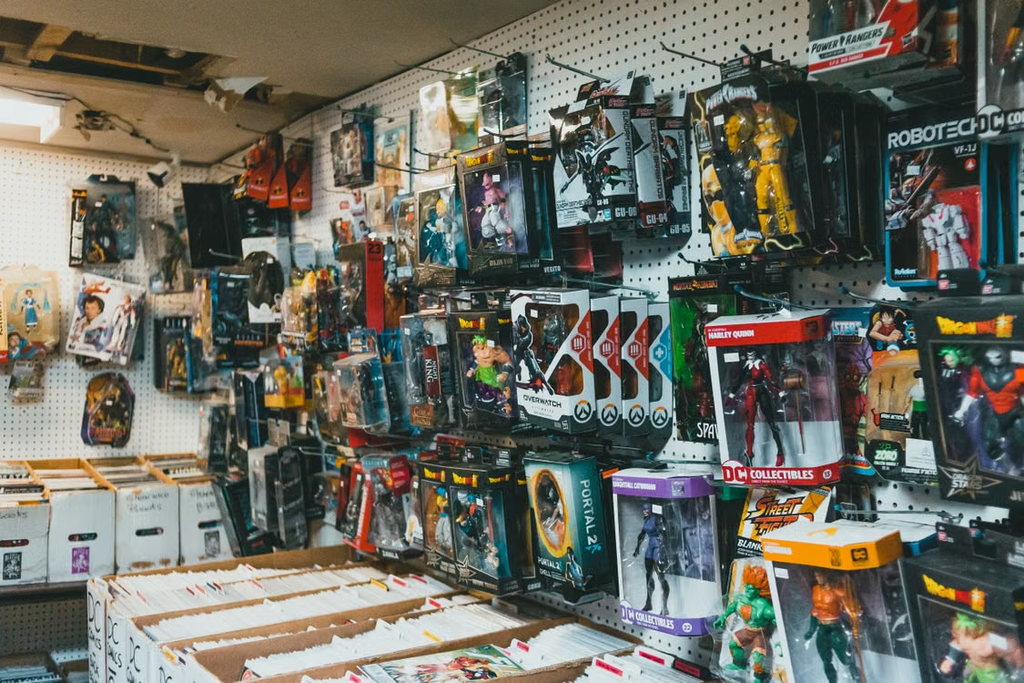
Even in mass-market categories — where a quick scan of any Funko Pop value guide reveals wide price gaps between figures from the same line — design details like exclusive sculpts, paint application, and packaging art are often the difference between a shelf-warmer and a sought-after piece. Understanding this relationship helps collectors make decisions based on substance rather than speculation.
Form and Proportion in Perceived Worth
A collectible’s physical shape sets the first impression. Objects with balanced proportions, clean lines, or intentional asymmetry tend to hold more appeal than those with no clear design direction. A chair with a sculptural silhouette, for instance, draws interest not just because it functions as seating but because its form communicates deliberate artistic thought.
Proportion also affects how a piece interacts with its environment. Collectors often consider how an object occupies space — whether it anchors a room, complements surrounding items, or stands alone as a focal point. Pieces that achieve this kind of spatial presence tend to retain or increase their market value over time because they serve both a decorative and a compositional purpose.
Material Choice in Communicating Quality
The materials used in a collectible carry their own visual language. Polished bronze suggests permanence. Hand-blown glass signals craftsmanship. Raw stone conveys weight and history. Buyers respond to these material cues, often without consciously analyzing them.
Consider the difference between a mass-produced ceramic figurine and a stoneware vessel fired at high temperatures by a studio potter. Both are ceramic objects, but the latter shows surface variations—subtle glaze shifts, mineral sheens, slight irregularities—that communicate human involvement in the making process. These visual markers of handwork increase desirability because they confirm that the piece cannot be replicated at scale.
Material selection also affects longevity. Collectors recognize that items made from durable, high-quality substrates are more likely to maintain their physical condition over decades, which directly supports long-term value.
Color and Surface Treatment in Emotional Response
Color is one of the most immediate visual signals a collectible sends. Muted earth tones may suggest restraint and sophistication, while bold primary colors can indicate playfulness or cultural reference. How color is applied—whether through natural patina, layered paint, or chemical treatment—adds another dimension to how buyers evaluate a piece.
Surface treatment works alongside color to shape perception. A high-gloss finish on a chrome sculpture reflects light and draws the eye. A matte, textured surface on a carved wooden figure invites closer inspection and touch. Each treatment creates a different relationship between the viewer and the object, and collectors often gravitate toward surfaces that reward sustained attention rather than offering everything at first glance.
Edition Size and Visual Consistency in Market Position
Limited production runs have long been associated with higher collectible value, but an edition’s visual consistency matters as much as its size. When an artist or studio produces a small series of objects, buyers expect a uniform design intent across the group. Pieces that maintain this consistency while still showing individual character — a slight variation in glaze, a unique grain pattern in wood — occupy a favorable position in the market.
This balance between cohesion and individuality is a design achievement in itself. It tells the buyer that the maker controlled the process with care, producing objects that belong together without being identical. That distinction matters to serious collectors who view their acquisitions as interconnected parts of a larger collection rather than isolated purchases.
Design Context in Long-Term Appreciation
A collectible does not exist in a visual vacuum. Its value is influenced by the broader design movements and cultural moments it connects to. A piece that represents a clear point in a designer’s evolution, references a recognizable aesthetic tradition, or responds to the visual language of its time carries more weight in the market than one with no identifiable context.
Collectors who understand these connections are better positioned to identify pieces with staying power. They recognize that visual design is not decoration — it is the primary vehicle through which a collectible communicates its origin, its intent, and its reason for existing. That communication, more than any certificate of authenticity or auction estimate, is what sustains value over the long term.