


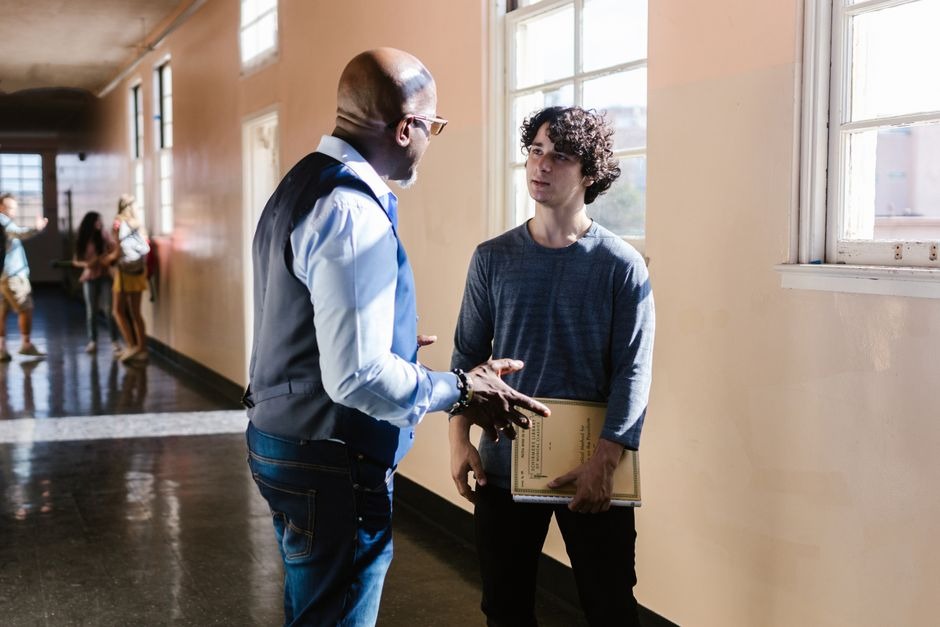
If you’re thinking about becoming a school counselor, you’re probably drawn to work that feels useful, human, and steady all at once. It’s a career that sits right at the intersection of education and mental health, which sounds inspiring because it is, but it also comes with real training, licensing, and day-to-day demands. Before you commit, it helps to understand what the job actually looks like and what preparation can set you up well.
Education requirements and why the degree path matters
If you want to become a school counselor, you usually need a relevant master’s degree plus state-specific licensure or certification. Requirements vary, so checking your state board early can save you from expensive surprises later.
Your program choice matters more than many students realize. Curriculum, practicum hours, internship structure, faculty support, and licensure alignment all affect how prepared you’ll be after graduation. A degree that sounds right on paper may not fit the certification rules where you plan to work.
That’s one reason many students spend time comparing online masters in school counseling programs. Flexibility is a major factor, especially if you’re balancing work, family, or a current teaching role. Still, convenience shouldn’t be your only filter. You’ll want to look closely at accreditation, field experience expectations, and whether the program is designed to support school counseling licensure rather than counseling in a broader, less direct sense.
What school counselors actually do every day
A school counselor’s job goes far beyond helping students pick classes or talk through a bad week. You’re often supporting academic planning, social development, conflict resolution, family communication, and crisis response in the same role.
On a typical day, you might help one student manage anxiety, meet with another about attendance problems, and then coordinate with teachers or parents about long-term support. In many schools, you also help with college readiness, career exploration, and schedule planning.
The work changes depending on the age group. Elementary counselors often focus more on emotional regulation and behavior. Middle and high school counselors may spend more time on academic pathways, postsecondary planning, and peer-related issues. It’s people-centered work, but it also requires organization, clear boundaries, and a surprisingly high tolerance for paperwork.
The skills you’ll need beyond compassion
People often assume empathy is the main requirement. It matters, obviously, but compassion alone won’t carry you through the job. You also need strong listening skills, emotional steadiness, and the ability to communicate clearly with students, parents, teachers, and administrators.
School counselors regularly deal with sensitive situations. That means you need judgment, discretion, and the ability to stay calm when someone else is unraveling. A student might tell you something serious at 9:15 a.m., and by 9:30, you may need to decide what steps to take, who must be informed, and how to protect that student.
A few especially important skills include:
– Active listening without rushing to fix everything
– Recordkeeping and documentation
– Time management in packed school environments
– Cultural awareness and inclusive communication
– Problem-solving under pressure
The job has heart, but it also has systems, protocols, and legal responsibilities.
Online study can work well, but it isn’t automatically easier
Online graduate programs appeal to a lot of future counselors for good reason. They can make advanced education more accessible if you’re already working, commuting, or managing a full schedule. You may be able to attend class without relocating or rearranging your whole life.
That said, online learning is not the academic version of easy mode. In many cases, it demands more self-direction. You’re responsible for keeping up with deadlines, participating consistently, and managing your time without the structure of a physical classroom.
A strong online program should still include meaningful interaction, not just uploaded readings and vibes. Look for elements such as:
– Live or discussion-based class engagement
– Supervised practicum and internship support
– Accessible faculty feedback
– Clear licensure guidance
– Placement help or field coordination expectations
If you learn well independently and stay organized, online study can be a smart route rather than a compromise.
The job is rewarding, but the pressure is real
School counseling can be deeply meaningful work. You may be one of the few adults in a student’s life who consistently listens, notices patterns, and steps in early. That kind of impact is significant, and many counselors stay in the field because those moments matter.
Still, the emotional load is real. Schools are dealing with rising student mental health concerns, attendance challenges, family instability, and behavior issues, often with limited staffing. Counselors can end up stretched thin, especially in under-resourced districts.
You may also face role confusion. Some schools use counselors well. Others pile on testing duties, scheduling overload, or administrative tasks that crowd out actual counseling. Before entering the field, it helps to accept a less glamorous truth: even meaningful careers involve bureaucracy. Sometimes a lot of it.
Burnout prevention matters. Boundaries, supervision, peer support, and realistic expectations aren’t optional extras. They’re part of staying effective over time.
Salary, job outlook, and real-world career planning
If you’re choosing a profession, practical questions deserve equal attention. School counseling offers a fairly stable path, but salary varies based on location, school level, years of experience, and district funding. Public and private schools may also differ quite a bit.
You should also think beyond your first job title. Some counselors remain in K–12 settings for decades. Others move into district leadership, student services administration, academic advising, or related counseling roles. Your degree and licensure path can influence those options later.
When evaluating the field, keep these factors in mind:
– State licensure requirements
– Internship opportunities during training
– Counselor-to-student ratios in your target area
– Salary expectations by district or region
– Long-term mobility within education and counseling
A smart career plan balances purpose with logistics. Passion is helpful. Rent still exists.
How to decide if this path fits you
The best way to evaluate school counseling is to look at both your motivation and your temperament. Wanting to help people is a strong starting point, but the role fits best if you also like structured environments, collaborative problem-solving, and long-term student development.
Ask yourself practical questions. Are you comfortable having hard conversations? Can you stay composed when others are distressed? Do you want to work inside a school system, with all the policies and personalities that come with it? Can you handle a role where progress is often gradual rather than dramatic?
Try to talk with practicing school counselors if you can. Ask what fills their day, what training helped most, and what they wish they’d known earlier. That kind of firsthand insight cuts through idealized career descriptions fast.
If the realities still sound meaningful to you, that’s a strong sign you’re looking in the right direction. School counseling isn’t a simple job, but it can be a genuinely important one.