


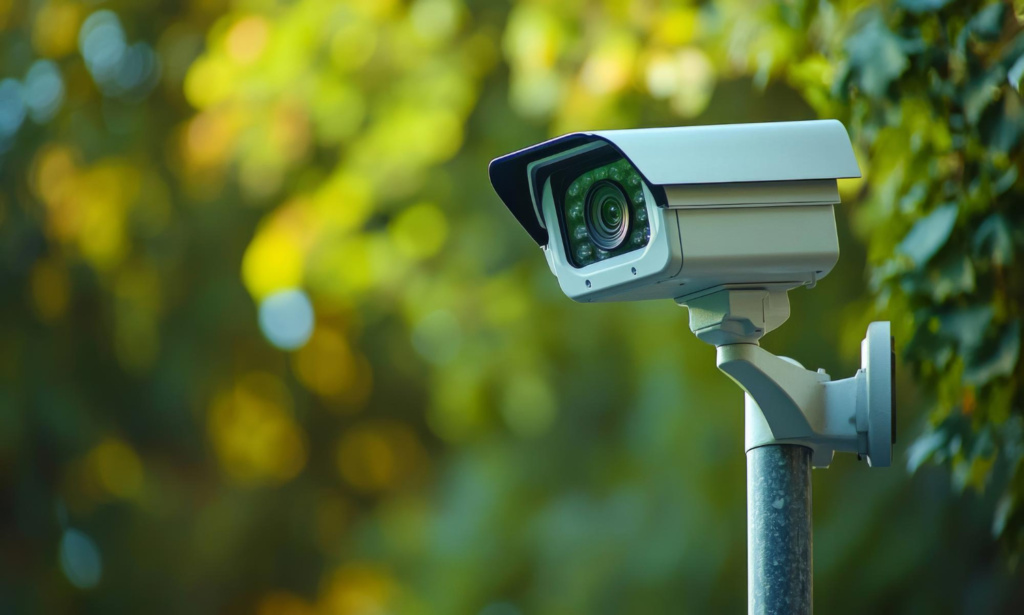
Outdoor monitoring works best when equipment suits the area that needs attention. A security camera should capture useful details while detecting movement across the required distance. Its sensor range affects activity detection, while recording settings determine the information available for later review. Understanding these features helps buyers select suitable equipment for their property. Before making a purchase, identify the areas that need coverage and determine the features required for reliable monitoring. Buyers can shop top security cameras outdoor to find suitable cameras for their property’s surveillance needs.
Understanding Motion Detection Range
Detection range refers to the distance at which a camera can recognise movement under suitable conditions. Its performance depends on sensor capability and the surrounding environment. A longer range suits open spaces, while a shorter range may work well near entrances.
- Measure the distance between mounting positions and important activity areas.
- Compare sensor specifications before selecting equipment for wider spaces.
- Review detection zones to manage unwanted alerts from passing movement.
- Check viewing angles before covering large sections of property.
- Match sensor reach with the required level of image detail.
Matching Cameras With Property Layouts
Every property has different coverage needs depending on its size and design. An entrance may require close-range monitoring, whereas an expansive yard needs broader visibility. Fences can obstruct the view when equipment is positioned poorly. Before purchasing a device, sketch the areas that require attention and mark suitable mounting positions. This approach helps identify coverage gaps and supports a more organised installation plan.
Selecting Suitable Recording Methods
Recording capability determines how much activity remains available for later review. Some cameras save clips when movement occurs, while others record throughout the day. Motion-triggered recording can reduce storage use by saving selected events. Continuous recording provides a fuller timeline when ongoing observation is necessary.
- Select continuous recording when complete activity timelines are necessary.
- Choose motion-triggered clips to capture selected events.
- Compare storage limits before adjusting video quality settings.
- Check playback controls for quick access to saved recordings.
- Review overwrite settings to manage older files automatically.
Comparing Video Quality Settings
Image quality affects the details visible in recorded clips. Higher resolution can help distinguish clothing details or identify objects at greater distances. However, sharper images generally require more storage space. Buyers should balance image clarity with recording duration and available resources. Frame rate also matters because it influences how smoothly movement is captured.
Evaluating Storage Capacity Needs
Storage capacity determines how long recorded files remain available before older content is replaced or removed. Local storage may use a memory card or a dedicated recording device. Cloud storage keeps files remotely when an internet connection is available. Each method has different costs and access requirements.
- Estimate daily recording volume using the selected resolution settings.
- Calculate retention needs based on expected review periods.
- Check the memory card capacity supported by the device.
- Compare recurring cloud charges with local storage expenses.
- Confirm that recordings remain accessible through supported devices.
Checking Connectivity And Power
Reliable connectivity supports remote viewing and alert delivery. Wireless models offer flexible placement when a suitable network signal reaches the mounting point. Wired models can provide a stable connection where suitable cabling is available. Power requirements also affect installation choices. Some devices use an electrical supply, while others rely on rechargeable batteries or compatible solar panels. Confirm that the selected power method suits the location and expected operating schedule.
Reviewing Alerts And Privacy Controls
Motion alerts help users notice activity without checking recordings throughout the day. Adjustable sensitivity allows detection settings to suit the surroundings. Custom zones can focus attention on selected areas while limiting unnecessary notifications. Privacy controls also matter because outdoor cameras may capture shared boundaries or neighbouring spaces. Review available masking features before installation. These settings support responsible monitoring while keeping attention on the intended property.
Buyers can shop top security cameras outdoor by comparing alert settings alongside detection range and recording features. Look for clear notification controls and convenient playback options. Check whether recordings can be exported when needed. Password protection and account access controls help protect stored files. Reviewing these features before purchase makes it easier to choose equipment that suits everyday monitoring needs.
Planning Long-Term Equipment Use
Outdoor tools should withstand varying weather conditions throughout the year. Rain resistance and dust protection can affect dependability. Check the manufacturer’s specifications to confirm suitability for the intended rising position. Durable housing supports protect internal components from outdoor exposure. Maintenance also deserves attention because camera lenses may collect dust or water marks.
Selecting suitable equipment starts with identifying coverage needs and recording priorities. Compare detection distance with image clarity to capture useful details across important areas. Check storage capacity and power requirements before making a purchase. A balanced setup supports reliable monitoring while keeping daily operation manageable. Reviewing these factors helps establish a system that fits the property and remains useful as requirements change.