


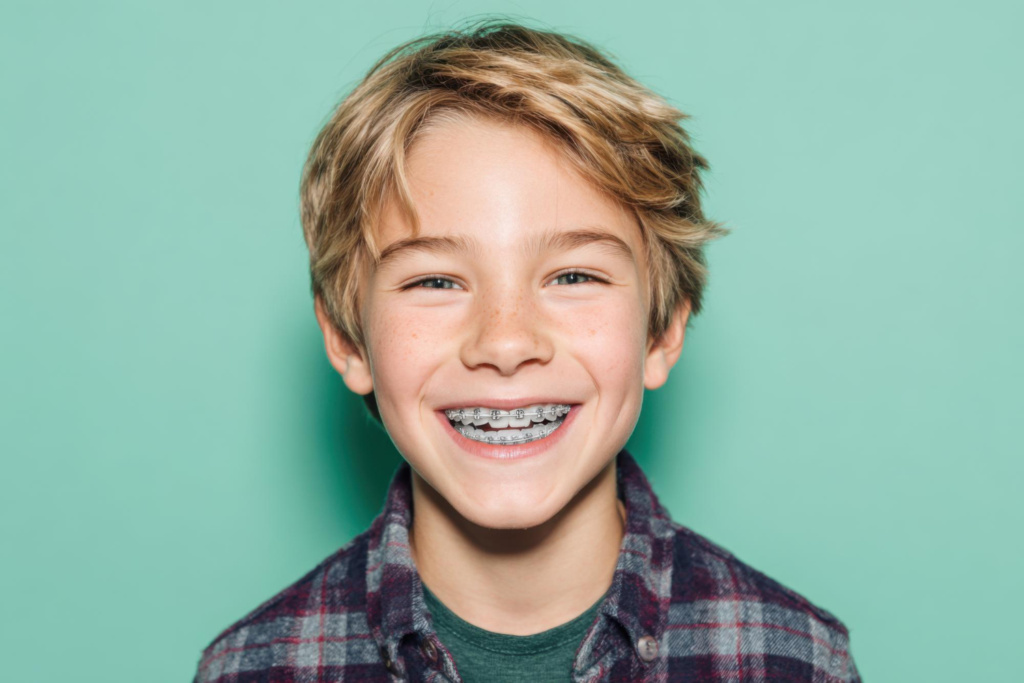
Seven words can turn a routine orthodontic checkup into a six week standoff at your house: “The dentist says you need braces.” I’ve watched parents deliver that line in a car, in a waiting room, and once, memorably, in a grocery store cereal aisle, and the reaction is almost always the same. Shoulders drop. Eyes roll. The negotiation begins.
Here’s the fix, and it’s simpler than you’d think. Kids don’t panic about braces. They panic about the story they’ve built in their head, usually a mashup of hallway teasing and metal mouth jokes from a cartoon. Your job isn’t to sell them on treatment. It’s to correct the story before it hardens. A winnipeg orthodontist hears the worried version of that story every week, which is exactly why the conversation at home matters more than the one in the exam chair.
What follows is the approach I’d use with my own kid: a short script, a few things to stop saying, and a first visit plan that keeps the whole thing boring in the best way.
Why the Car Ride Home Decides Everything
Timing is the most underrated parenting tool you own. The worst moment to introduce braces is the ten minutes after a stranger poked around your child’s mouth with a mirror. Their guard is up, their mouth feels weird, and they’re already tired. You’re not talking to your kid in that moment. You’re talking to their nervous system.
Wait a day. Pick a low-stakes setting, like a walk to the bus stop or folding laundry together. Side by side beats face to face for hard conversations, and this counts as one, even if it shouldn’t. Kids process better when they’re not being studied.
Then lead with the boring truth instead of the big reveal. Something like: “Hey, the orthodontist is going to keep an eye on your teeth for a while. That’s normal. A lot of kids your age do this.” No drumroll. No “we need to talk.” The energy you bring to the announcement is the energy they’ll bring back to you.
The Three-Sentence Script That Actually Works
Sentence one names the plan. “Your teeth are a little crowded, so the orthodontist is going to help them line up.” Concrete, short, no jargon like malocclusion or arch expansion.
Sentence two handles the fear before they voice it. “It doesn’t hurt to get them on, and you can still eat most of what you eat now.” Most kids’ first question is about pain or food, and usually in that order. Answering before they ask signals that you’ve thought about them, not just the schedule.
Sentence three gives them a job. “You get to pick the color of the bands, so think about what you want.” A kid with a decision feels like a participant instead of a patient. It’s a small lever with a big payoff.
Say those three things, then stop. Resist the urge to keep explaining. The silence after a short, calm answer is where kids actually think. Fill it and you get a debate. Leave it and you get questions later, which is what you want.
Stop Saying These Four Things
I’ve heard every one of these from well-meaning parents, and each one backfires.
- “It builds character.” Kids hear “this will be unpleasant and you can’t complain.”
- “It’s only two years.” Two years is roughly a fifth of a ten year old’s entire life. That’s not reassurance, that’s a prison sentence with a calendar.
- “Your cousin survived it.” Comparison invites your child to find every way they’re different from that cousin.
- “You’ll thank me later.” True, useless, and slightly smug. Skip it.
Swap the pep talk for plain information. According to the American Academy of Pediatric Dentistry, children should have an orthodontic evaluation by around age seven, when the first adult molars arrive and growth patterns become visible. That’s a useful fact for you, not necessarily for your eight year old. Keep the technical context in your own pocket and give your kid the short version.
What the First Visit Should Feel Like
The best first appointment is forgettable. Your child should leave thinking “that was fine” rather than “that was intense.” You can shape that before you walk in.
Call ahead and ask what the visit involves. Ask whether you can sit in the room. Ask if there’s a chance to see the equipment first. Most offices will say yes to all three, and a five minute heads up is the difference between a nervous kid and a kid who’s already bored of the waiting room fish tank.
Bring something to anchor the appointment. A small snack for after, a specific plan for lunch, even a playlist for the drive. Kids don’t remember the exam. They remember what happened right after it, and a good after makes the before feel safer next time.
Then watch for the tell. If your child asks a question during the visit, even a goofy one like “can I get green bands,” you’ve won. Questions mean they’ve moved from fearing the room to imagining themselves in it.
The First Two Weeks Are a Test Run
I’ll be honest: the conversation before braces is easy compared to the first week after they go on. Pressure, soreness, and a suddenly picky eater can undo every calm talk you had. Plan for it like you’d plan for a new puppy.
Stock soft foods before the appointment, not after. Yogurt, pasta, mashed potatoes, smoothies, soup. Have a couple of meals ready that your kid actually likes, because “you can eat soft foods” sounds like a punishment until the plate in front of them looks normal.
Then let them complain. A little. The American Dental Association notes that teeth and jaws shift over time, which is the whole reason retainers exist later, and the same biology that makes treatment work is why the first days feel strange. Discomfort during adjustment is expected and temporary. What matters is that your kid hears you say “this part is normal” instead of “stop making a fuss.”
One more thing: give the whole family a smaller version of the same change. If your kid is eating softer food, everybody eats softer food for a couple of days. Solidarity costs you a lasagna dinner and buys you a lot of goodwill.
When Your Kid Pushes Back Hard
Some kids need more than a script. If yours is digging in, stop arguing about braces and start asking about the fear underneath. “What’s the worst part for you?” gets you further in one question than a month of persuasion. The answer is usually specific and fixable: a friend who got teased, a photo they hate, a fear of the chair itself.
For the social piece, remember that kids read their peers more than their parents. The Centers for Disease Control and Prevention tracks adolescent health across the country, and the broad picture it paints is a generation under plenty of social pressure already. Braces barely register in that landscape. Kids notice confidence, not brackets, and a kid who walks in comfortable tends to get a shrug instead of a comment.
Your Ten-Minute Prep Checklist
- Wait a day after the referral before you bring it up.
- Have the talk somewhere calm, side by side, not face to face.
- Use the three sentences. Then stop talking.
- Let your kid choose one thing, like band color or the after appointment snack.
- Call the office ahead of time and ask what the first visit includes.
- Stock two soft meals before the braces go on.
- Ask “what’s the worst part for you?” before you argue.
Braces are a logistics problem dressed up as an emotional one. Once your child understands the timeline, the food, and the fact that nothing dramatic happens in the chair, most of the resistance evaporates on its own. The rest is just a few weeks of soup and a little patient listening.
So here’s the question worth sitting with tonight: what story has your kid already told themselves about braces, and have you actually asked them what it is? Start there and the conversation gets a lot shorter.