


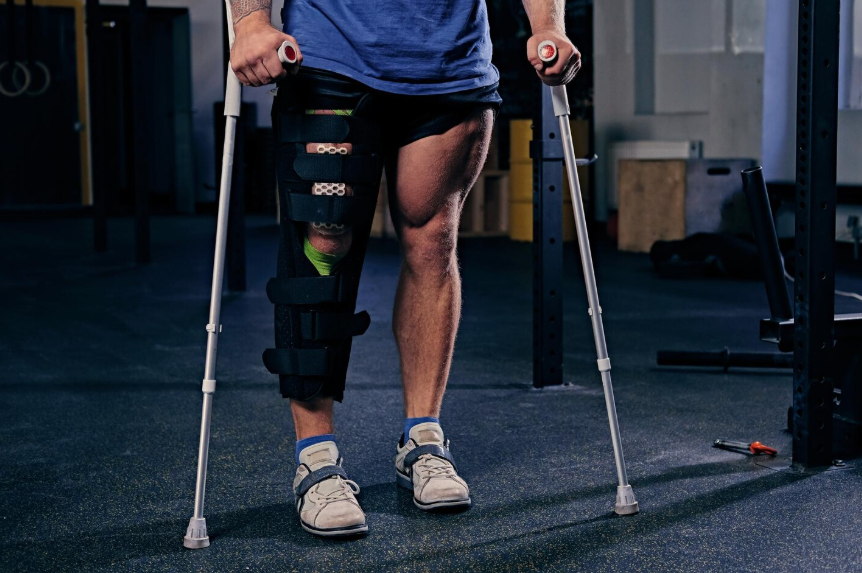
Words can only go so far. A judge may read ten pages on your loss and still miss what one photo makes plain. That is why strong images can help amputation injury claims. A good set of images turns a dry file into a real life. It lets the reader see the cost, not just the words.
In this article, we will discuss in detail how to use visual aids to support an amputation injury claim in the UK.
Understanding Amputation Claims in the UK
A claim has two aims. You must show that a third party was at fault. Then you must put a fair price on what you lost. Limb loss sits at the top of the scale, so the sums can be large. The award has many parts. There is pain and the loss of the life you had, which courts rate with set guides. There is care at home, now and for years to come. Moreover, add home remodelling costs, such as the price of ramps or a lift. You should also add lost pay, as well as car and travel costs.
Key Types of Visual Aids and Their Applications
Not all images are equal. So you should pick each one for a clear job. Start with the scene. Take photos of the spot where the accident took place, such as a wet floor or a sharp road bend. You must do it fast, so you get clear pictures. Moreover, put a tape or a coin in the shot to show scale. Next, shoot the wound. Start on the day of the accident. And you must use plain light and a plain backdrop. Also, add the date to each shot.
Scans and X-rays come next. Your doctor holds these, and a scan of the lost bone speaks loudly for you. Then you must call in an expert to draw a plan for your home. A sketch with costs beside it is hard to doubt. A short film of a day in your life can add much too. You can show a hard climb up the stairs or a long wait to dress.
Strategic Benefits of Visual Aids
Images do more than please the eye. They can prove fault, as a shot of the scene may end a fight over who was to blame. They shape the mind. A reader who has seen your daily routine will understand why the sum is high. They back up your word too. If you say you cannot lift a pan, a clip adds weight. This helps the expert, who can cite your images in a report. They also push for a deal. The firm that pays may offer more, and sooner, if a trial looks risky. One more tip is to show the bad days, not just the best ones. A mixed record has more weight than one that looks too neat.
Legal and Procedural Considerations in the UK
The UK has clear rules for injury claims, and both sides must share key files and images, even those that hurt you. Hiding a clip is a real risk. So you must keep the raw file. Do not edit or crop it. Keep the date stamp and the first copy, as a judge may ask to see it. Moreover, any plan or chart made by an expert must meet court rules. That expert owes a duty to the court, not to you. You should also keep in mind the rights of others. Do not film kids or other people with no leave, and blur faces when you can.
Remember, time is the key. Most claims must start within three years of the harm, or of when you knew of it. So you should not wait to gather images. A formal offer may come at any stage, and a strong file helps you a lot. You can use safe cloud storage to store all data. Moreover, do not forget to back up each file twice, and name each one with a date and a short note.
What This Means for You
Technology moves fast. Some courts now take 3D scans and tours of a home, so a judge can walk around your ramp plan as if on site. This may soon become normal. Still, the base stays the same: honest, dated and clear proof. Therefore, you should start now. Capture the scene, log each day, and ask your lawyer which images they need most. A good file can lift your whole case.
Legal Disclaimer:
Please note that this article is for informational purposes only and is not a substitute for advice from an expert lawyer. If you face issues with an amputation claim in the UK, please seek advice from a legal professional. These experts have years of experience and knowledge, so they can better help and guide you.