
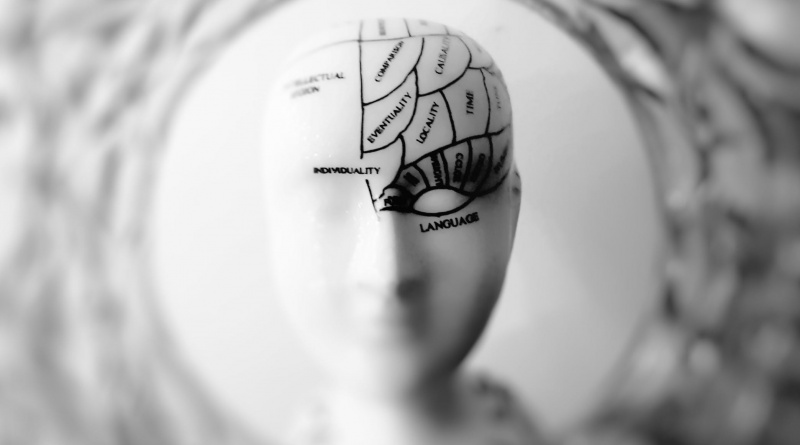
Use Pictures. Always. Why the Picture Superiority Effect (PSE) Matters
People like pictures. A lot. And there is overwhelming research-based evidence to suggest that it’s not just a personal preference or that it is a cultural phenomenon. The human brain loves pictures. It processes pictures faster than any other form of communication and it remembers pictures far, far more than it does written, oral, and nonverbal communications. When it comes to conveying and making information memorable, pictures reign supreme.
In fact, the phenomenon is so prevalent within the brain, there’s an official name for it: the Picture Superiority Effect. You can click on that Wikipedia link for more detail, but let me summarize: the more pictures you use, the more likely people will be able to remember what you communicated to them. Brain guru John Medina put it this way:

“Human Picture Superiority Effect is truly Olympian. Tests performed years ago showed that people could remember more than 2,500 pictures with at least 90 percent accuracy several days post-exposure, even though subjects saw each photo four about 10 seconds. Accuracy rates a year later still hovered around 63 percent. … Text and oral presentations are not just less efficient than pictures for retaining certain types of information; they are way less efficient. If information is presented orally, people remember about 10 percent, tested 72 hours after exposure. That figure goes up to 65 percent if you add a picture.”
I’ve conducted a far less formal experiment in regards to PSE, which seems to corroborate Medina’s words. In corporate trainings, I have about 20 people give 3-minute presentations in a morning session. Then, we break for lunch for one hour and come back. Then…the moment of truth: I ask them what they can remember from the 20 presentations they just witnessed. Invariably, the presentations that used pictures in their slides are what that the people remember first, then they start associating the rest of the material with the pictures. If a presentation didn’t use pictures (or if their pictures weren’t really related to the content), people simply can’t remember—even one hour later!—what many of the presentations were about.
So when does the Picture Superiority Effect matter? Pretty much always, especially in professional and academic settings. If you are writing a report, giving a presentation, creating handouts, designing instructions, making a flier, or creating just about anything else where you hope that people will remember the message…use pictures! And use as many of them as possible without clouding the message.
A few tips about using pictures:
Turn Bullets into Pictures
 One of the most common areas I see where people could benefit from using pictures is in PowerPoint slides. For some reason, most people feel stuck when it comes to including pictures in slides and they end up creating slide after slide with bulleted lists. Remember that lots of text on a screen actually distracts audiences—they can’t process text as fast as they can a picture and they’ll try to read while trying to listen to you. It doesn’t typically go well. One of the easiest ways to add pictures is to think about what each of your bullet points says, identify a key word or phrase in it, and then find a picture that presents that message. You can talk about what the picture means in your presentation and delete the text. People will be much more likely to remember your message this way.
Use Pictures that Are Relevant
While the Picture Superiority Effect helps people remember information significantly better, it doesn’t work so well if your pictures aren’t relevant. Avoid using tacky ClipArt or other photos that just “pretty up” your documents. Be sure that the picture has some connection to the content you’re discussion. Avoid using things like emojiis and cartoons just for the sake of adding visuals. Take the time to find the right graphic for the right content.
Don’t Use Copyrighted Images
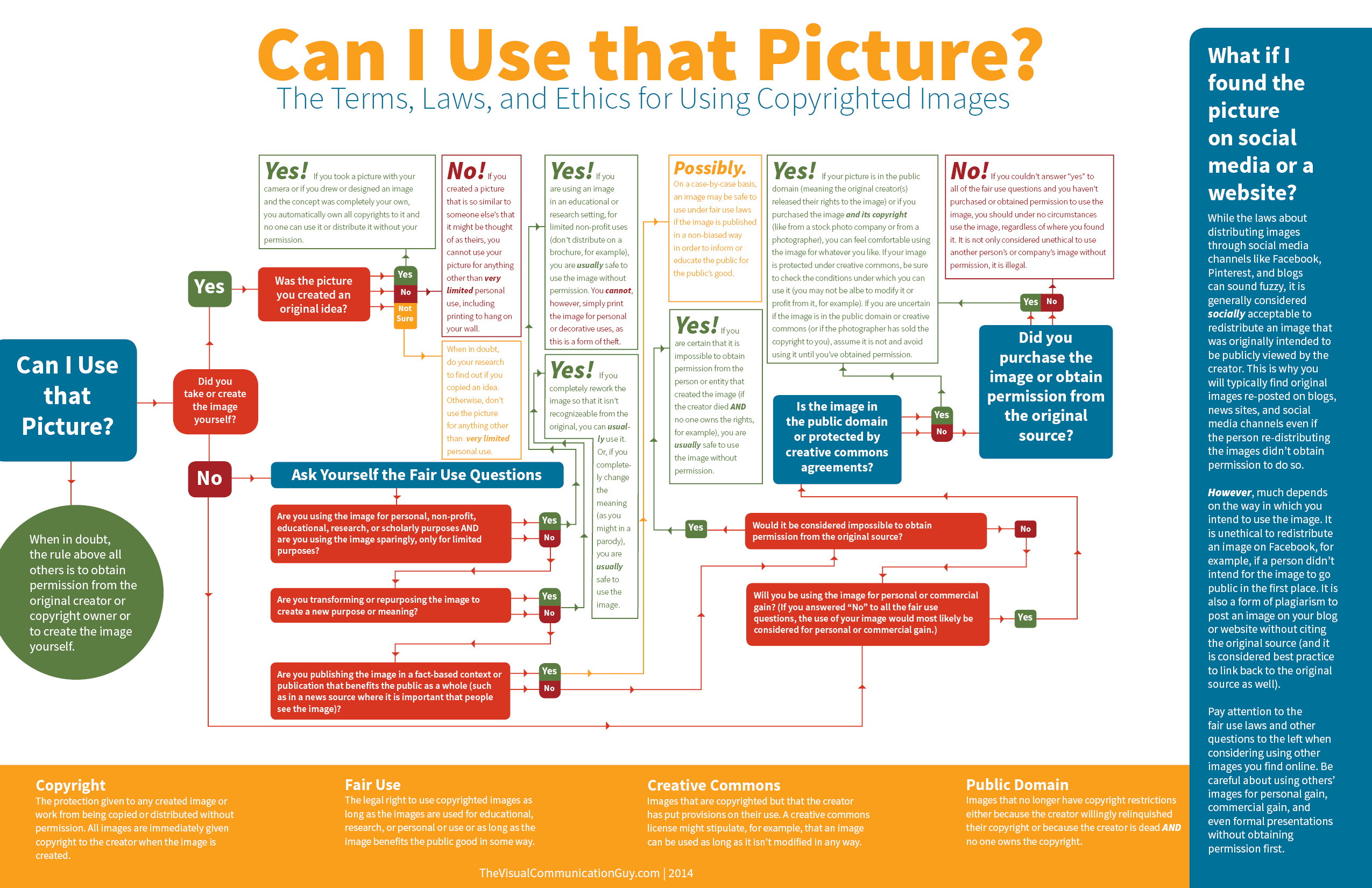
If you’re creating materials or giving a presentation that are to be distributed to other people—and especially if you or your company is profiting in some way, even indirectly—from the content you’re creating, do not use pictures that are copyrighted. Note that, in the United States, the laws say that all pictures are automatically copyrighted by the person who takes or creates them. So, many of the photos that you find when doing a Google image search are copyrighted, meaning you shouldn’t use them without permission.
While this may sound discouraging, there is good news! Many websites now share photos that are in the public domain (meaning there are no copyright restrictions) or that have Creative Commons licenses (which means you can use them for free under certain, looser restrictions). Check out these sites to get you started: