
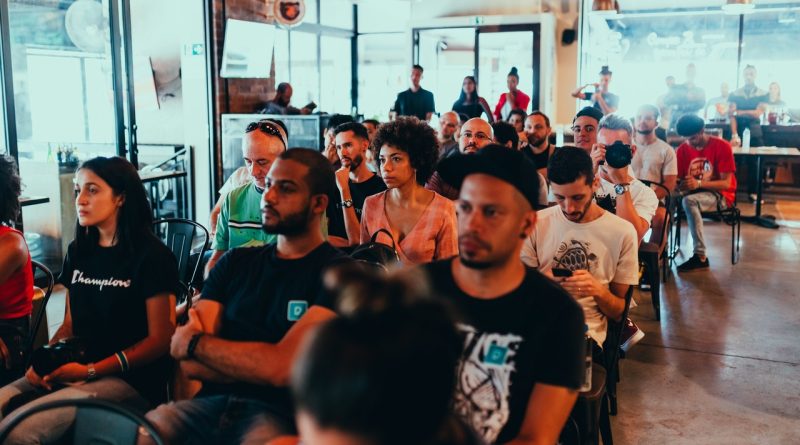
How Hybrid Events Are Taking B2B Back to the Future
Virtual events that have increased by as much as 1000% since the pandemic started have been as much of a saviour for businesses behind closed doors as Zoom calls were for family relationships. The ability to continue reaching new and even global audiences at a time when crucial trade borders were otherwise under extreme fire certainly helped to keep struggling companies afloat. Unfortunately, platform limitations and the inability to create true connections also saw countless B2B companies struggling to convert despite their best efforts.
It’s hardly surprising, then, that we’ve shirked the virtual shroud as soon as we could, with B2B networking and conference events now back in full swing. But, as anyone who’s attended an in-person offering this year will have seen, that’s certainly not to say that we’re leaving our virtual digression entirely behind us.
In fact, as we move firmly into the new business norm, hybrid events that pair virtual offerings with in-person benefits are being touted as the B2B marketing go-to. Arguably, this trend can be traced back to the thick of the pandemic, where Amazon’s augmented reality postcards kicked things off. Since society has slowly opened up, however, the full power of hybrid events has made itself known. The question is, how, exactly, can you ensure that your B2B offerings make the most of this hybrid moment in the sun?
Draw attention with digital
Digital offerings provide a great way to attract the attention of all the right people, regardless of where they are. The increased accessibility of online events, as well as the ability to reach new organic markets through the use of online keywords, hashtags, and share functions, can certainly help to boost interest on a major scale. Even more specifically, digital elements integrated into in-person events, including virtual reality games, interactive ads, and beyond, can all help to add to the glitz and overall appeal of trade appearances. In fact, if you’ve got a queue built up for your virtual reality simulator, the chances are that even company reps who don’t know the first thing about you will join. And, if they learn a little about your brand while they do so, then all for the good. Either way, the ability to integrate far-reaching and generally exciting digital elements into otherwise bland networking setups should, when done well, see your offerings and interest going from strength to strength.

Keep the focus with in-person sales
To say that the impact of digital is short-lived would be to simplify the realities. After all, well-planned digital event elements and properly targeting streams can work wonders for creating conversions that you would never have access to otherwise. That said, digital impact is slightly overshadowed by the fact that it lacks a much-needed personal touch. This is why so many companies struggled with entirely online events through the pandemic, and it’s also why hybrid events have found their power. After all, people don’t buy from brands, they buy from people, but a person standing up on a stage at the same time as twenty other people offering much the same doesn’t exactly garner the right attention. Hence why digital offerings add the glitz, while personal connections built through the expertise of the sales team who have perfected everything from their pitches through to their sales manner and beyond, convert and ultimately garner customer lifetime value (CLV).
Innovate with digital elements
Innovation is a great way to show potential partners and clients what you have to offer. Unfortunately, in an age where more companies are offering cutting-edge solutions that run alongside various new technological elements, perfecting a new cool design or a funky logo just isn’t enough. Instead, innovation relies on your ability to integrate everything from interactive elements to the latest in tech prowess, both within your products themselves and, where events are concerned, within the wider scope of your displays. Obviously, moves like live streaming or even digital festival elements aren’t exactly innovative when everyone else is doing them, but taking things further with elaborate tech setups, cutting-edge game design, interactivity, and beyond, all help you to gain a much-needed edge that truly grabs people’s attention. Of course, you’ll want to keep one eye on what your competitors are offering to make sure that your options truly are unique, but getting this right could quickly see yours becoming the busiest stand across the entirety of your next networking event.
Show your prowess with a traditional approach
Impressing the crowd is one thing, but B2B clients also value working with trustworthy, established companies that can prove their prowess. Your digital innovations don’t necessarily do that, meaning that they’re more likely to burn hard and fast in terms of interest if you don’t also complement them with a more traditional standing. Business cards, physical fliers, and one-on-one sales meetings are certainly mainstays in this sense, taking the interest you’ve built and turning it into something viable. Of course, that’s not to say that you need to go boring with this – unique colourful or square business cards will still help you to stand out, while perfect pitches that do things a little differently (perhaps by telling a story or just using your own unique voice) are far more likely to appeal. That said, in each instance, a more traditional focus on physical marketing should still power these efforts.

Expand with global reach
We’ve touched briefly on the benefits of live streaming for global event reach, but this is a point worth discussing in its own right. After all, this ability is unique to virtual events and is the prime reason why hybrid offerings are still enjoying such high levels of success. But it’s still important to remember that global success isn’t a given even if you’re digitising your events. Instead, specific focuses should also include things like subtitles in different languages, carefully chosen timeframes for maximum coverage, playback capabilities, and digital tickets that provide a sense of scarcity. And, of course, on a basic level, expanding the reach of your online events themselves comes back to basic marketing efforts like keyword optimizations, PPC ads in the right places, and plenty of coverage across B2B-specific social media platforms like LinkedIn.
Provide a personal touch
Getting your message to as many consumers as possible has undeniable benefits, but conversations are still unlikely if all of those global businesses are made to feel like they’re just another face in the crowd. After all, B2B clients are especially invested in finding a business that aligns with their unique goals and requirements. If you can only prove that benefit on a generic basis, then they’re unlikely to invest. Instead, incorporating physical approaches, even across a digital environment like streaming, is key. As mentioned, individual event tickets tailored towards each client, perhaps even with recommendations for relevant talks, etc., can help to fuel this shift. More fundamentally, making it possible to arrange one-on-one video conferences during online events or similar can all help to make sure that you’re fully enjoying the benefits of extended reach in the first place. And, of course, personalisations including tailored conference bags, personal sales pitches, and beyond, should continue to run seamlessly alongside your in-person digital offerings at all times.
Hybrid events can feel like another hurdle to get your head around, but they’re gaining in popularity so quickly for a reason. Keep up with the trend by bearing these pointers in mind when you get down to the hard task of making hybrid events work for you.