
The Importance of Effective Communication in Nursing
Communication lies at the heart of nursing, serving as the vital link between healthcare professionals and patients.
In this fast-paced and ever-evolving profession, effective communication plays a pivotal role in ensuring optimal patient care and safety.
As a nurse, your ability to communicate empathetically, listen attentively, and convey information clearly can make a significant impact on patient outcomes.
Types of Communication in Nursing
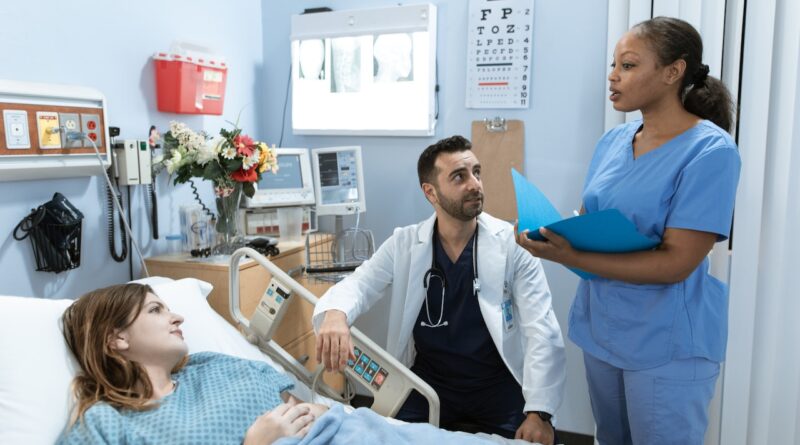
Communication in nursing is multifaceted. It is not just about the spoken words, but it’s also the combination of verbal, nonverbal, and visual communication. Each form is crucial in its own way and contributes towards comprehensive patient care. Many times, you’ll also need to deliver presentations to doctors and stakeholders, which makes effective communication crucial beyond patient interactions.
Verbal Communication
Verbal communication is a fundamental aspect of nursing. It takes two forms: spoken and written.
Whether it’s explaining a diagnosis to a patient, discussing treatment options, or coordinating care with other healthcare professionals, spoken communication is at the forefront. It enables the exchange of vital information in a direct, personable manner.
Written communication is equally essential in the healthcare setting. It includes documentation in patients’ medical records, writing care plans, or exchanging information through emails or messages. Precise, clear written communication is crucial to avoid misunderstandings that could potentially affect patient care.
Nonverbal Communication
Nonverbal communication involves cues like body language, tone of voice, and facial expressions. These subtle signals can often convey more than words alone.
A nurse’s body language can signal openness and warmth or cause a patient to feel isolated and uncomfortable. Open postures and lean-in gestures can express that you are engaged and receptive.
The tone of voice can express empathy, concern, or understanding, often comforting patients in times of distress. Similarly, facial expressions can mirror emotions, indicating understanding, and reassurance to patients.
Visual Communication
Visual communication plays a vital role in nursing, especially when dealing with complex medical concepts that can be hard for patients to grasp.
Charts, diagrams, and medical imaging serve as visual aids. They can simplify complex medical conditions or procedures, making it easier for patients to understand their health status or treatment plans.
Whether you’re a seasoned professional or aiming to prepare for your CNA certification exam, mastering all forms of communication is vital. Understanding the nuances of verbal, nonverbal, and visual communication can make a significant difference in the quality of care you provide.
The Impact of Effective Communication on Patient Outcomes
Effective communication in nursing is a critical element that significantly contributes to better health outcomes. It goes beyond transmitting information—it’s about fostering trust, reducing errors, enhancing patient satisfaction, promoting healing, and encouraging adherence to treatment plans.
Building Trust
Trust is the foundation of the nurse-patient relationship. When nurses communicate effectively, they establish a trusting relationship with their patients.
Open and honest communication creates a transparent environment where patients feel secure. They are more likely to share their concerns and symptoms, which aids in more accurate diagnoses and personalized care plans.
Reducing Errors
Clear and precise communication among healthcare professionals is key to reducing medical errors.
Often, errors occur during transitions of care—when patients are moved between departments or handed over to different healthcare professionals. Effective communication in these scenarios is crucial to ensure continuity and safety of care.
Enhancing Patient Satisfaction
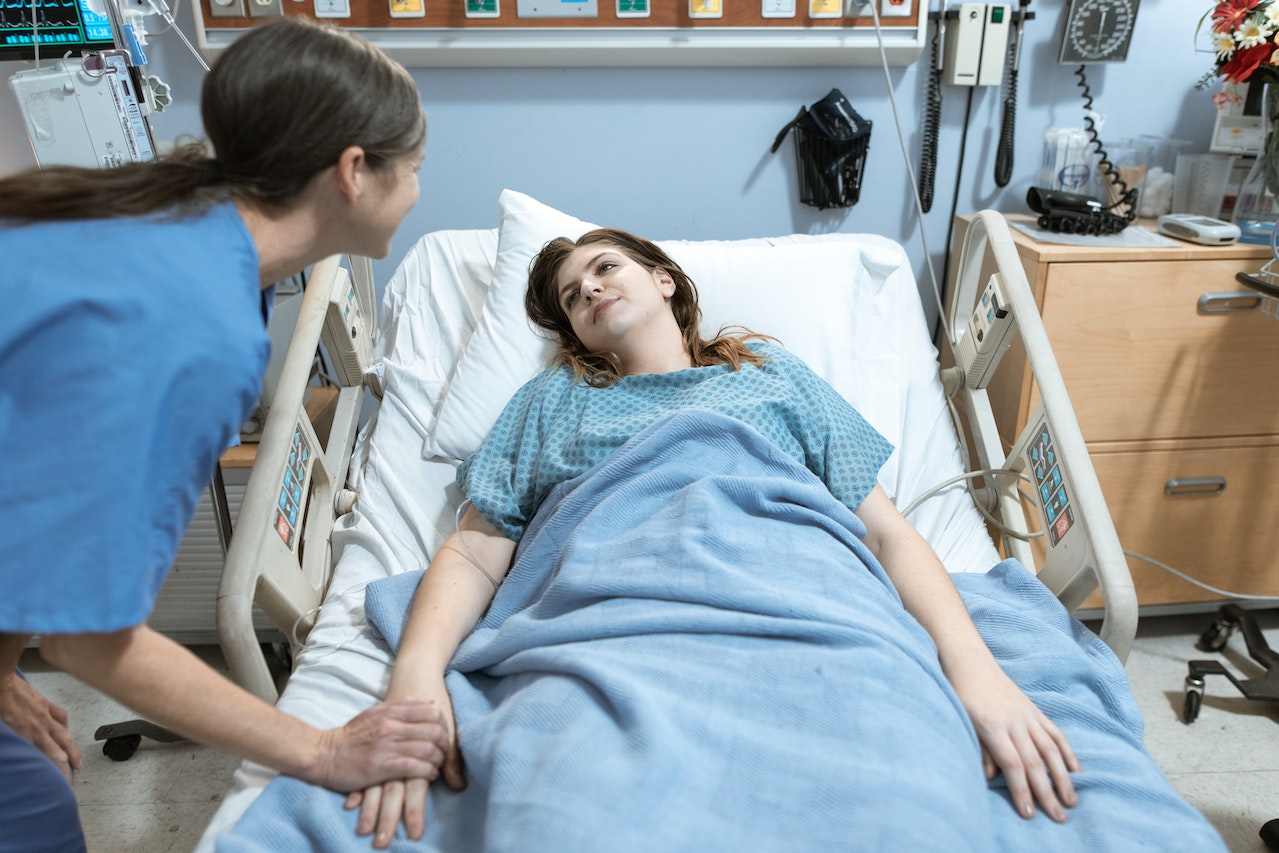
Photo by RDNE Stock Project from Pexels
Effective communication directly correlates with patient satisfaction. Patients who feel heard and understood have higher levels of satisfaction.
This operational efficiency also extends to the seamless management of patient data and care coordination, where the right social care management software can significantly improve information flow and reduce administrative burdens for healthcare providers. Such systems ensure that all relevant patient information is readily accessible, allowing nurses to spend less time on paperwork and more time on direct patient interaction and personalized care delivery.
This operational efficiency also extends to the seamless management of patient data and care coordination, where the right social care management software can significantly improve information flow and reduce administrative burdens for healthcare providers. Such systems ensure that all relevant patient information is readily accessible, allowing nurses to spend less time on paperwork and more time on direct patient interaction and personalized care delivery.
When nurses listen to their patients, respond to their queries, and address their concerns promptly, it shows that they care about their patient’s well-being. This not only increases patient satisfaction but also boosts their confidence in the care they receive.
Promoting Healing
Patients who understand their health condition and treatment plan are more likely to be proactive in their recovery.
Nurses often act as educators, explaining to patients about their condition, medication, and self-care routines. When this information is communicated effectively, it empowers patients, promoting faster healing and recovery.
Encouraging Adherence to Treatment Plans
When patients comprehend their treatment plans well, they are more likely to adhere to them.
Complex medical jargon can confuse patients. But when nurses break down this information into simpler terms, patients can better understand their treatment plans, leading to increased adherence.
Advocacy
Nurses play a crucial role in advocating for their patients’ rights, needs, and preferences.
Effective communication is key to articulating patients’ concerns and ensuring their voices are heard. Whether it’s advocating for pain management, respecting cultural beliefs, or addressing concerns about treatment plans, nurses serve as patient advocates, utilizing their communication skills to ensure that patients receive the care they deserve.
Conclusion
Effective communication is a cornerstone of the nursing profession. Its impact extends far beyond patient interaction, influencing health outcomes and shaping the patient’s overall experience.
While barriers exist, with the right strategies and a commitment to continuous learning, nurses can enhance their communication skills. It’s not just about medical knowledge. It’s also about connecting with people at one of the most vulnerable times of their lives—something that’s only possible through effective communication.