
The Art of Investing: How Visual Communication Techniques Can Improve Your Financial Health
In today’s fast-paced world, where information overload is a common challenge, visual communication is a potent tool for simplifying complex data and concepts across various fields. One area where visual communication can have a profound impact is personal financial management—a domain often riddled with intricate details, numbers, and jargon that can be daunting for many.
This article will discuss the potential of visual tools to demystify financial management, making it a more approachable and achievable aspect of everyday life.
Tips on How to Transform Your Financial Health Through Visual Tools
The psychological impact of visual finance management is profound and multifaceted, influencing our perceptions, behaviors, and emotional responses to managing personal finances.
One significant psychological benefit is the reduction of financial stress. For example, seeing a colorful pie chart that categorizes spending immediately conveys where money is going without the need to parse through rows of numbers. This simplicity can alleviate anxiety and make the task of budgeting and tracking expenses feel more manageable.
Here’s what you can do with visual communication tools:
Enhance Financial Literacy
Visual communication techniques significantly enhance financial literacy by transforming complex financial concepts into more accessible and understandable formats. For example, an infographic that compares the best Roth IRA investments, highlighting their risks, benefits, and potential returns, can provide a snapshot that simplifies decision-making.
Similarly, charts and graphs illustrating the power of compound interest can motivate you to start saving earlier by visually demonstrating how investments grow over time.
Moreover, interactive tools and simulations bring financial concepts to life, allowing you to experiment with different scenarios. This hands-on approach helps demystify the complexities of financial planning and investment strategies, fostering a deeper understanding and retention of information.
Visualize Your Financial Goals and Budget
You can analyze your financial status and ambitions by translating financial information into visual formats like graphs, charts, and diagrams. It helps you define and visualize short-term and long-term financial goals, such as saving for a vacation, buying a home, or securing retirement. As such, it makes it easier to prioritize goals based on their importance, feasibility, and timeline.
Understand and Adjust Your Spending Habits
The role of visual tools in monitoring expenses, investments, and financial progress over time is indispensable for effective personal financial management. These tools use charts, graphs, and other visual indicators to represent financial data, making it easier to identify trends, patterns, and areas of concern at a glance.
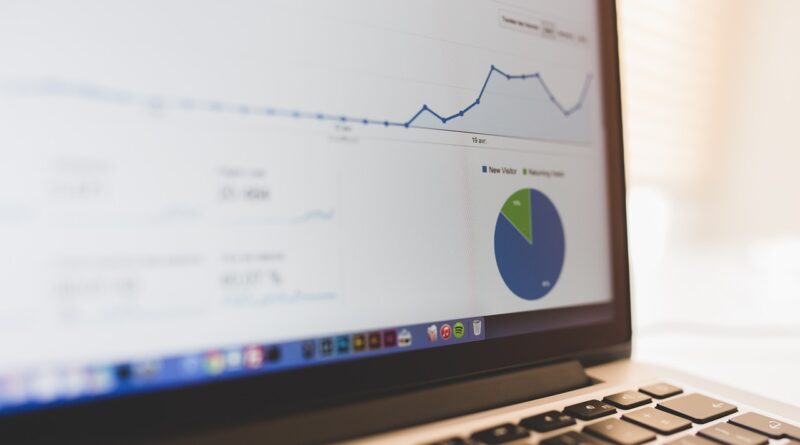
For example, a dashboard might display a pie chart showing monthly expenses like housing, food, transportation, and entertainment. This visual breakdown helps you assess whether your spending aligns with your priorities and where you might need to adjust to meet financial goals. Similarly, line graphs showing the monthly cash flow can visually highlight the dynamics between income and expenses over time, enabling you to spot periods of tightness and take proactive measures.
When it comes to investments, visual tools can illustrate the performance of different assets within a portfolio through color-coded charts or graphs. It allows you to see how diversified your investments are and the performance of each asset class, aiding in making informed decisions about rebalancing or adjusting your investment strategy.
Get Motivated through Visual Progress Indicators
Visual representations of financial milestones, such as progress bars or milestone markers, provide tangible evidence of your progress toward your financial goals. They are powerful motivators, reinforcing positive behaviors and encouraging persistence when facing challenges.
For instance, consider the journey of debt repayment. It can often feel like a daunting, never-ending process. However, when you use a visual progress indicator, such as a progress bar that fills in with each payment made, you can see the reduction in debt over time. This visual affirmation of progress provides a psychological boost, making the goal seem more attainable and motivating you to continue making payments or even increase your repayment rate.
Similarly, visual markers can chart your growth over time when saving for a goal. Watching your savings account grow through a visual indicator like a graph offers immediate gratification for the sacrifices made in cutting expenses or setting aside money. It can be motivating when saving for long-term goals, such as a down payment on a house or retirement, where the benefits are not immediate.
Detect Errors
When you have a graphical representation of your finances, such as trend lines and patterns in your expenditure, it becomes much easier to spot discrepancies or errors that might otherwise go unnoticed in a sea of numbers. For instance, a sudden spike in your spending in a particular category, highlighted by a trend line, can alert you to potential fraud or a mistake in billing, enabling you to take swift action.
Conclusion
You can transform the complexity of financial management into a clear, approachable journey by embracing visual tools and techniques, such as graphs, charts, and interactive platforms. These tools demystify financial concepts and empower you with insights to make informed decisions.
Moreover, the visual representation of your financial achievements and future goals is a constant reminder of what you’re working towards. It keeps you aligned with your financial objectives, even when faced with temptation or financial setbacks.