
Why the Camp Lejeune Litigation is Stalled
Featured image source
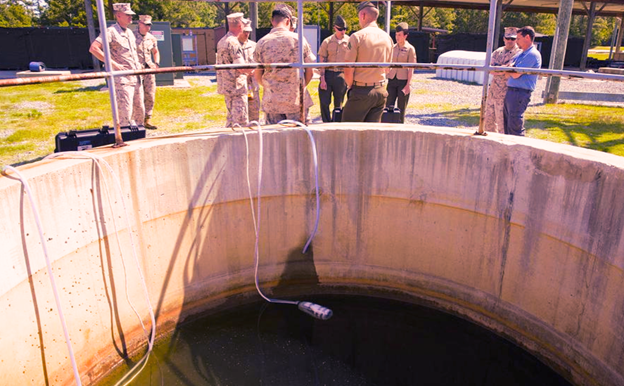
For decades, thousands of people who lived, worked, or were stationed at Camp Lejeune in North Carolina have fought for justice. The base’s water supply was contaminated with harmful chemicals from the 1950s to the late 1980s, leading to serious health problems for many.
This contamination has been linked to a range of illnesses, from various cancers to birth defects.
In 2022, the Camp Lejeune Justice Act (CLJA) was signed into law, offering a path for those affected to seek compensation. However, litigation remains stalled despite this act, leaving many frustrated and without the help they deserve. Many have lost their lives while waiting for compensation. Many cases have been transferred from Camp Lejeune lawsuits to wrongful death cases.
Background: The Camp Lejeune Water Contamination
The contamination at Camp Lejeune is a dark chapter spanning over three decades. From the 1950s, all the way to 1987, the base’s drinking water was unknowingly polluted. Leaking underground storage tanks and an off-site dry cleaner were the culprits, spewing industrial solvents like trichloroethylene (TCE) and perchloroethylene (PCE) into the water supply.
Exposure to these chemicals has been linked to a variety of health problems, including various cancers like leukemia and bladder cancer, as well as birth defects and other serious illnesses. It’s important to note that the government officially acknowledged the potential harm caused by contamination in 2008.
Legal Challenges Before CLJA
Before the Camp Lejeune Justice Act, seeking compensation for those affected by the water contamination was an uphill battle. A legal principle called the Feres Doctrine prevented injured service members from suing the government for injuries sustained while on active duty. This left veterans and their families with limited options. A first attempt at justice came in 2009 with a major lawsuit, but it was ultimately dismissed due to the Feres Doctrine. The need for a new law to address these limitations and provide a pathway to compensation became abundantly clear.
The Camp Lejeune Justice Act (CLJA) of 2022
The Camp Lejeune Justice Act of 2022 (CLJA) was a beacon of hope for those impacted by the water contamination. This law finally aimed to provide individuals with a way to seek compensation for their illnesses. A key feature of the CLJA was the ability to file administrative claims directly with the Department of the Navy (DoN). This offered a streamlined process compared to traditional lawsuits. The act also established a timeframe for filing claims, with a deadline of two years after the law’s enactment.
Challenges with Implementing the CLJA
Unfortunately, implementing the CLJA hasn’t been smooth sailing. Two main hurdles have caused delays and frustration.
Lack of Resources at the DoN
The sheer volume of claims has overwhelmed the Department of the Navy (DoN). Over 60,000 claims have been filed, far exceeding initial expectations. This has created a backlog as the Navy struggles with insufficient staff and resources to process them efficiently.
Delays in Establishing Claim Filing System
A streamlined claim filing system is crucial for a smooth process. However, the DoN has delayed establishing a proper online portal for submitting documents. This lack of a user-friendly system adds another difficulty for those filing claims.
Impact of the Stalled Litigation
The stalled litigation has had a devastating impact on those affected by the Camp Lejeune water contamination. Many continue to grapple with serious health issues, facing mounting medical bills and lost wages. The emotional toll is equally significant. The delay in receiving compensation adds to the stress and frustration of a situation that has already caused immense suffering.
Looking Forward: Potential Solutions
There’s a glimmer of hope. Solutions, like increased DoN resources and streamlined court procedures, are being discussed to expedite claim processing. Additionally, Congress is putting pressure on the Navy to address the backlog and improve the claims process. These efforts, if successful, could help those affected finally receive the compensation they deserve.
Conclusion
A harsh reality has hampered the dream of swift justice for those impacted by the Camp Lejeune water contamination. While a crucial step, the Camp Lejeune Justice Act has been bogged down by challenges.
The sheer volume of claims has overwhelmed the Department of the Navy, leading to a backlog. Additionally, the lack of a user-friendly online filing system has created further frustration. These delays have a profound impact on those affected. They continue to battle serious health issues and financial hardships, while the emotional toll of the stalled process adds to their suffering.
Finding a solution is paramount. Increased resources for the DoN, streamlined court procedures, and continued pressure from Congress are all vital steps. Those who endured the consequences of the Camp Lejeune water contamination deserve a fair and efficient system to seek compensation. They deserve to have their voices heard and their health struggles recognized. It’s time to ensure justice isn’t further delayed.
Don’t forget the many loopholes in the Camp LeJeune health care, Camp LeJeune Family Member Program. If a person was exposed during the day and slept off base at night, such civilian (even babies) are NOT allowed the VA health care for family members.
This is a huge tragedy, with people being BORN in Camp LeJeune Naval Hospital not being allowed the health care for the illnesses Camp LeJeune caused. This is unfair and wrong, and with the USA giving money to other nations for their health and mental illness needs, a disgrace.
Watch how a victim, exposed to Camp LeJeune in utero and as an infant for 19 months, was treated by the federal courts when he asked for the health care. This case does not mention it, but his mother died of a LeJeune cancer and his father has had tumors removed.
https://caselaw.findlaw.com/court/us-federal-circuit/2106596.html