
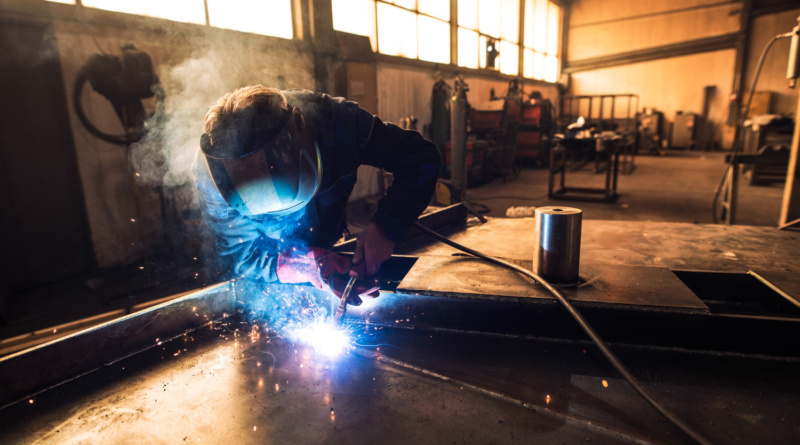
What Happens Inside a Professional Welding Shop?
Welding shops are essential in the development of designs and products that are part of everyday life. Their work is foundational, from gigantic bridges to delicate artworks. In this post, we’ll dive into how the professional welding shop operates and why it’s of utmost importance and the skills it requires.
The Heart of Welding: Craftsmen
Skilled craftsmen are at the heart of any welding shop. They have excellent knowledge of welding types such as MIG, TIG, and arc welding. Their skill enables them to bond metals, ensuring a secure and long-lasting join. The art of reading blueprints and specifications is essential, directing them to more complex clinical projects. This fact implies that each task adheres to a specific quality standard. Understanding what is a welding shop helps newcomers grasp the essential tools, processes, and safety measures involved.
Essential Tools and Equipment
A welding shop is a warehouse filled with tools and equipment needed to perform different tasks. Welders use power sources, electrodes, and protective gear to safely perform their duties. Various types of cutting equipment, such as plasma cutters, is also common and assists in metal preparation. Each type has its own purpose and plays an important role in the efficiency and effectiveness of a tool shop.
Safety First: Protecting Workers
In the world of welding, safety is everything. Workers use protective clothes, helmets, gloves, and aprons to protect themselves from sparks and heat. The ventilation system is one of the main components that efficiently removes harmful fumes from the working area. The key to minimizing risks and accidents is regular safety drills and training sessions, which keep workers aware of the need for caution.
How Welding is Done (Step-by-Step Process)
Before the actual welding process starts, preparation is required. The project specification outlines the necessary steps for aligning and cleaning the metals. Once the process is underway, the welder will choose the appropriate technique based on the specific materials and requirements. Welding itself is the process of applying high heat while combining metals to create strong joints. Post-weld inspections confirm quality and compliance after the weld has been completed. These careful steps ensure the reliability of the final output.
Quality Control: Ensuring Excellence
One element of a professional welding shop is the control of quality. Examiners analyze every venture to identify any deformities or irregularities. The exercise makes sure that all the welds conform to the industry regulations and also fulfill customer requirements. Welding shops earn an excellent reputation by maintaining very high standards and excellence.
Customization and Innovation
Customization is also felt at the welding shop, as most shops can offer customization adjusted on a project-by-project basis, depending on the particular needs that a customer has. It affords the clients the option to ask for a particular design or changes to it. Secondly, the industry thrives on innovation. Advanced techniques and technologies like robotic welding enhance precision and efficiency. The result opens new opportunities for shops to solve more complex problems.
Environmental Considerations
Welding shops frequently prioritize environmental responsibility. Sustainability is when you work toward reducing the use of recycled materials. Any additional environmental effect is reduced thanks to equipment and practices that conserve energy. By focusing on eco-friendly measures, these shops contribute to the conservation of natural resources.
Training the Next Generation
The future of welding lies in training the next generation of craftsmen. Apprenticeships and educational programs provide opportunities for hands-on learning. Such opportunities would ease new entrants into a successful career, paving the way toward making sure that the industry would have a stream of skilled professionals able to contribute in the near future. Additionally, the mentorship of seasoned welders serves to improve the growth of knowledge, creating an environment that abounds in development.
Conclusion
Professional welding shops are constantly evolving components of modern industries. These shops achieve high-quality results through craftsmanship, tools, and safety. What sets them apart is their attention to detail in quality control, customization, and being environmentally friendly. Welding shops are still shaping the future as they train fresh talent for the industry, assisting in the making and sustaining of needed infrastructures and products.