

What Students Should Know About Personal Injury Claims
College puts you in risky situations every single day. You’re rushing to class, working weird hours at part-time jobs, and constantly moving around campus or town. Most students have no clue what to do after getting hurt because someone else wasn’t careful.
You’ve got legal options when another person or business causes you harm. Maybe a distracted driver hit you on your commute. Or you slipped at work because your boss ignored a broken floor tile. These situations don’t just disappear on their own.
Common Student Injury Scenarios
Car accidents happen to college students all the time. Campus parking lots turn into destruction zones during class changes. Everyone’s trying to grab a spot before their lecture starts. Students doing delivery work face constant danger on the roads.
Where Most Injuries Occur
Restaurant and retail jobs hurt students more than people realize. These places hire thousands of broke college kids. Safety rules exist, but managers cut corners constantly. Floors stay wet without warning signs. Broken equipment doesn’t get fixed. New workers get zero training before handling dangerous tasks.
Your campus isn’t perfectly safe either. Tree roots crack sidewalks everywhere. Burned-out lights stay dark for weeks. Stairs get slick when rain comes through. Dorm maintenance only happens after something breaks completely. If someone’s carelessness caused your injury, you should talk to Flesch Law Denver Injury Accident Lawyers. They’ll explain what compensation you can get.
Bikes and pedestrians get hit near colleges way too often. Drivers stare at phones while rolling through crosswalks. They make turns without checking bike lanes. Students wind up with broken bones or head trauma.
When You Need a Lawyer
Small injuries that heal fast don’t need legal help. Serious situations absolutely require someone who knows how to fight insurance companies.
You need an attorney when injuries require surgery or months of treatment. Medical bills grow insanely fast. A broken leg might need hardware installed. Shoulder injuries often require extensive physical therapy. Brain trauma and spinal damage create lifetime complications. You can’t handle these cases while recovering and attending classes.
Get help when fault gets disputed too. Insurance companies hire people whose only job involves blaming accident victims. They’re professionals at finding excuses to deny claims. An attorney investigates what really happened and gathers solid evidence.
Big companies protect themselves with legal teams. Apartment complexes, retail chains, and major employers all have lawyers on staff. You deserve someone equally skilled on your side.
According to the National Center for Education Statistics, millions of students work during college. That puts tons of young people at risk for both workplace and campus injuries.
Protecting Your Claim From Day One
What you do right after an accident determines everything that happens later. Bad choices in those first hours will destroy even rock-solid cases.
See a doctor immediately, even if you feel okay. Lots of serious injuries hide at first. Whiplash takes days to develop. Internal bleeding shows no visible signs. Concussions mask symptoms completely. Medical records prove when you got hurt and link injuries directly to the accident. Waiting to get treatment hands insurance companies perfect ammunition for denying claims.
Steps to Take Right Away
Document whatever you can at the scene. Snap photos of the location, your injuries, damaged stuff, and any hazards involved. Grab contact info from people who saw it happen. Write down every detail while memories stay fresh.
Here’s what protects your case:
- Get medical attention within 24 hours, no exceptions
- Photograph everything from multiple angles
- Collect witness names and phone numbers
- Write your account of events immediately
- Keep every medical bill and receipt
- Report the incident through official channels
Handling Insurance Adjusters
Insurance people seem super friendly when they first call. That’s their strategy. Their real job involves paying as little as possible.
Don’t give recorded statements before consulting an attorney. They’ll twist your words later. Early settlement offers arrive before you understand injury severity. Some conditions take months to fully show up. Grabbing quick cash now can trap you with huge medical bills.
Social media posts destroy cases regularly. Investigators scan Facebook and Instagram constantly. That party photo becomes “proof” you’re faking injuries.
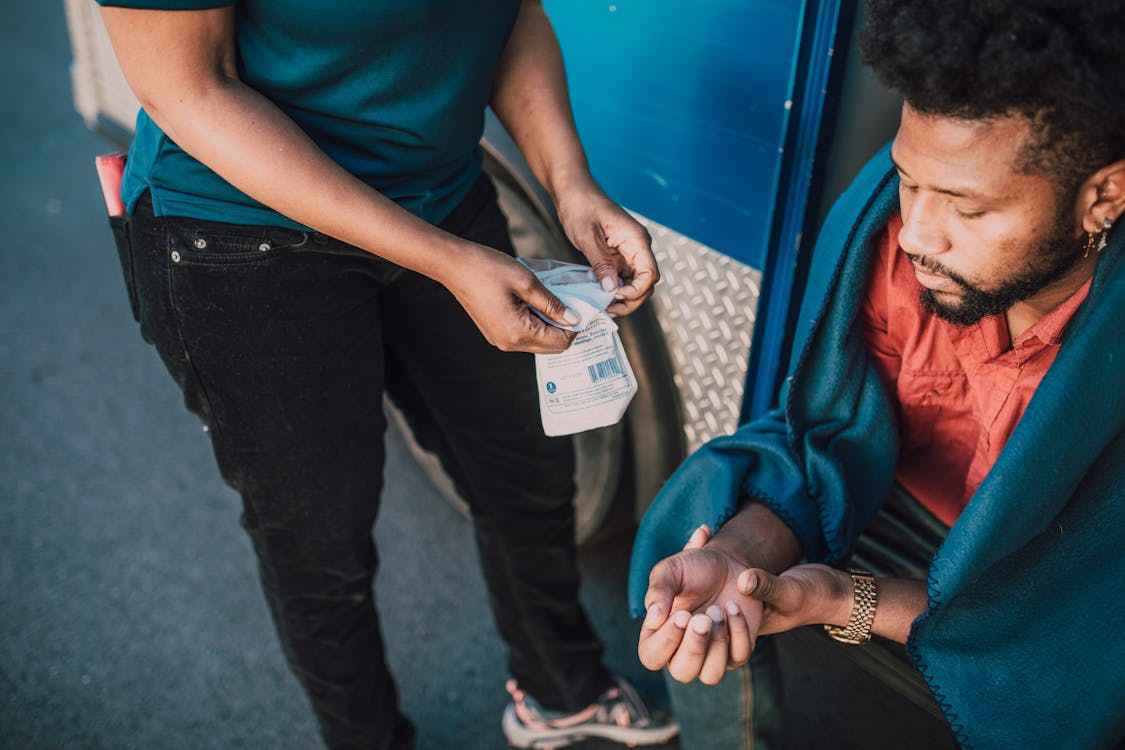
Photo by RDNE Stock project
Time Limits and Next Steps
Colorado allows two years from accident dates to file most injury lawsuits. Sounds like forever, but cases need months to build properly.
Government claims work differently. They sometimes require notice within 180 days. According to Colorado state law, different claim types follow specific rules. These details trip up people going solo.
Evidence vanishes quickly too. Witnesses forget details. Security footage gets wiped. Scenes change. Starting early gives attorneys time to gather everything needed. Most injury lawyers offer free consultations.
Follow treatment plans completely. Skip appointments and insurance companies question injury severity. Do physical therapy exercises even when they hurt. Take meds as prescribed. Gaps in treatment records become weapons against you.
Stay organized with all documentation. Medical records, insurance letters, photos, witness info, and receipts need one central location. Organization strengthens cases and speeds up legal work.
College keeps you busy without adding recovery stress. Legal help early on lets you focus on healing and grades while professionals handle complicated legal stuff.