
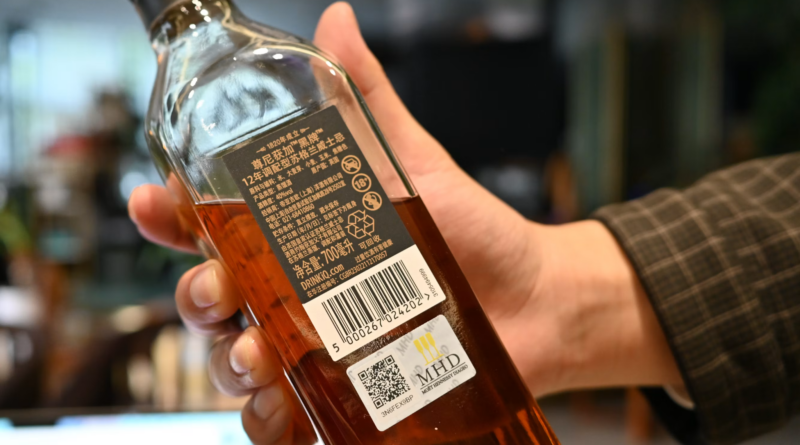
How Product Marking Is Becoming Part of Brand Storytelling
Every product on a shelf has a story, and it starts long before a customer ever sees it. We often think of packaging and ads as the main storytellers, but there’s another, more subtle way products communicate: through the marks on the item itself. These codes, dates, and symbols used to be just functional data. Now, they’re becoming a sophisticated way to share a brand’s message, turning each product into a tiny canvas for its story.
This change means that basic information is now a key part of the product experience. A simple batch number, if applied well, can show quality and care. A QR code can open up a brand’s whole world. To use these marks effectively, you need to see them not just as a necessary detail, but as a vital part of how you tell your brand’s story visually.
Beyond the Barcode
For many years, the most noticeable mark on any product was the barcode. It was just a tool for inventory and checkout, a block of black and white lines with no real design appeal. You’d also find expiration dates and lot numbers printed with dot-matrix technology, often blurry, crooked, and purely practical. These marks were needed for tracking and safety, but designers mostly ignored them. They were usually hidden at the bottom of a container or tucked away on a back panel.
That way of thinking is changing today. Product marking technology has come a long way, allowing for amazing precision, clarity, and flexibility. Modern product marking technology allows brands to print sharp text, detailed logos, and interactive codes directly onto almost any surface. This includes glass bottles, metal cans, flexible films, and curved plastics. So, a batch code doesn’t have to be an ugly afterthought anymore. It can be printed in the brand’s specific font, fitting perfectly into the overall design.
This isn’t just about making things look better. It’s about using every bit of the product to strengthen the brand’s message. A crisp, laser-etched logo on outdoor gear suggests durability and high quality. A perfectly printed “best by” date on an artisanal food product conveys freshness and care. These small details add up, shaping how consumers see the product and the brand behind it. The story isn’t just on the label; it’s built right into the item itself.
Brand Identity on Every Item
Consistency is crucial for a strong brand. Consumers learn to recognize and trust a brand by repeatedly seeing its name, logo, colors, and messages. This idea applies even to the small, often overlooked marks on individual products. When every item leaving your facility has a clear, consistent, and high-quality mark, it strengthens your brand’s identity at the most basic level. This is a key part of creating a unique brand identity that connects with consumers.
Think about a luxury cosmetic brand. The elegant glass bottle is part of the experience, but so is the subtle, perfectly printed batch code on the bottom. Its clarity and precision quietly communicate that this is a premium product, made with strict quality control. Now, imagine that same bottle with a smudged, hard-to-read code. The perception of quality immediately drops. That inconsistency creates a small crack in the brand’s story of luxury and perfection.
This holds across all industries. For a craft beverage company, using a specific font for the “canned on” date that matches their brand’s typography creates a unified experience. For an electronics manufacturer, a sharp, laser-engraved serial number feels more permanent and professional than a printed sticker that might peel off. These marks become a silent promise of authenticity and quality. By treating these functional codes as design elements, you ensure that every single product perfectly represents your brand identity, telling a consistent story from the production line to the customer’s hands.
Precision in Visual Coding
Turning functional codes into branding assets relies on precise technology. The days of blurry, unclear printing are gone. Now, systems offer incredible detail and permanence. This precision opens up new ways for digital brand storytelling directly on the product.
Different technologies offer unique benefits for visual coding:
- Continuous Inkjet (CIJ): These printers are workhorses in the industry, able to mark products on fast-moving production lines. Modern CIJ systems can produce small, very readable characters and even simple logos, making sure codes are clear and professional even at high speeds.
- Thermal Inkjet (TIJ): TIJ printers offer excellent resolution, making them perfect for printing complex 2D codes like QR codes and Data Matrix codes. A brand can use a high-resolution QR code to send customers to a video about the product’s origin, a special promotion, or an immersive augmented reality experience. The code becomes an interactive doorway, not just a static mark.
- Laser Marking: For the most permanent and precise results, laser systems etch information directly onto a product’s surface. This method is ideal for showing premium quality and durability. A laser-etched logo on a metal tool or a subtle mark on a glass bottle is permanent and tamper-proof. This adds a layer of security and authenticity while also improving the product’s look.
The choice of technology depends on the material, the production environment, and the story you want to tell. A high-resolution QR code printed with a TIJ system can connect the physical product to the digital world, inviting the consumer into a bigger brand story. A permanent laser mark can silently communicate unwavering quality. This precision changes a simple code from just data into a powerful visual and interactive element.
The Future of Product Aesthetics
Integrating markings into product design is still quite new. As technology keeps improving, we’ll see even more creative ways to use product marking. These will deepen the connection between brands and consumers. The future is about making products more interactive, personal, and visually appealing, using these marks as a key part of the overall visual storytelling for product marketing.
One exciting area is interactive and “smart” coding. Imagine a QR code that changes where it sends you based on your location or the time of day. Or think about invisible inks that only show up under UV light, revealing a hidden message, contest entry, or authenticity check. This adds an element of discovery and fun to the product experience, making it more memorable and shareable. This approach is a powerful form of visual storytelling in branding, turning the product itself into a way to surprise and delight.
Personalization is another big trend. Digital printing technologies are becoming flexible enough to allow for unique codes or even custom messages on individual items within a mass-produced run. A drink company could print unique phrases on its bottles as part of a campaign, encouraging consumers to collect and share them. This level of customization turns a generic product into a personal one, building a much stronger emotional connection. As these technologies become more available, the line between packaging, product, and marketing will continue to blur. The product’s surface will become a dynamic canvas for brand expression.
Ultimately, the small marks we once tried to hide are becoming central to how brands communicate. They show quality, open doors to digital experiences, and are a powerful tool for building a clear and compelling brand identity directly on the product you sell.