
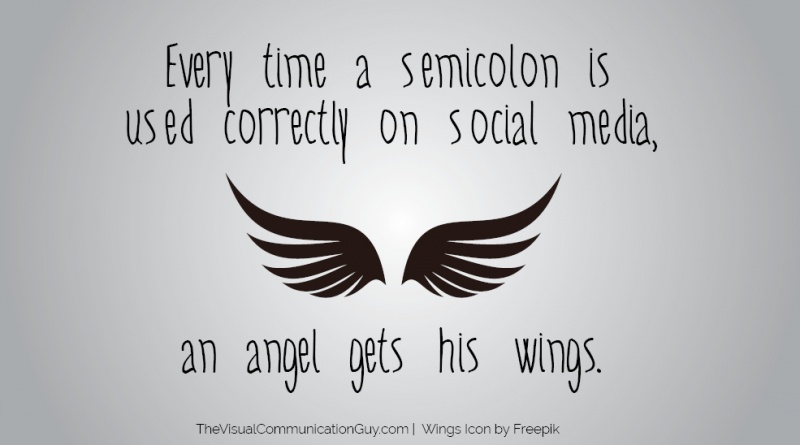
Punctuation: The World’s Next Dodo?
Punctuation, like the word’s most famous flightless bird–the dodo–may be on the verge of extinction.
Not all punctuation marks risk the dodo’s fate, of course. Periods will likely stand the test of time–they’re the one constant in the construction of written language, and they’re fairly universal. With few exceptions, most who consider themselves literate can use a period (though periods frequently are planted in sentences too quickly, creating unplanned fragments). Question marks are relatively safe, too. And I think it goes without saying that the exclamation point may be experiencing an evolution opposite of extinction: they’re suffering from over-population, particularly in language ecologies like social media and texting.
But there are eleven other punctuation marks (12 if you count the asterisk, but most would consider that a symbol outside of punctuation) that slowly but surely are disappearing. Commas don’t seem to be going anywhere, but they’re so widely misused, it’s as if they’re evolving into a new species–a crossbreed between commas, colons, dashes, periods, and semicolons.
If you ask college students, most would say that they are familiar with most of the marks: apostrophes, hyphens, quotations, colons, semicolons, and parentheses are not unheard of. They’re like the dodo: well-known, but rarely seen. If you read college student writing–as I do for a living–most of these punctuation marks only show up periodically, almost haphazardly, and often they’re used incorrectly. A surprisingly high percentage of my students, actually, don’t know that apostrophes are used only for contractions and possessions, even though students say they know this. (Does “DVD’s” need an apostrophe, as in “DVD’s for Sale”? No! That apostrophe is sorely out of place, much like the one I saw on a recent billboard that said “Casserole’s Are Ready!” No apostrophe!)
The funny thing is, when you ask, most adults would say they know how to use apostrophes. Then they send you a Christmas card that says Merry Christmas from the Jones’s. Eek. An apostrophe in the last name on a Christmas card is the eighth deadly sin. Yet, every year, they show up on my fridge.
So, I’m just a language nut, right? I mean, who really cares? In an age of social media, of text messaging, of online forums, do we really need to punctuate? No one seems to miss the dodo; can’t we just extinguish most punctuation marks, too?
Maybe we should ask Oakhurst Dairy, the latest victim of a punctuation faux pas, who lost $5 million in a legal battle over a missing comma. That’s right! Five. Million. Dollars. Over a missing comma that made it difficult to determine if truck drivers should be getting paid for certain types of work. The missing comma suggested they should have.
Punctuation shuffled in different places creates completely different meanings, rendering it an absolute must for any writer, in any medium. In one of the most classic statements about punctuation, Lynn Truss (author of Eats, Shoots, and Leaves) points us to this fantastic punctuation exploitation:
A woman, without her man, is nothing.
A woman: wither her, man is nothing.
That colon sure makes a difference, eh? As do the punctuation marks in these phrases, too:


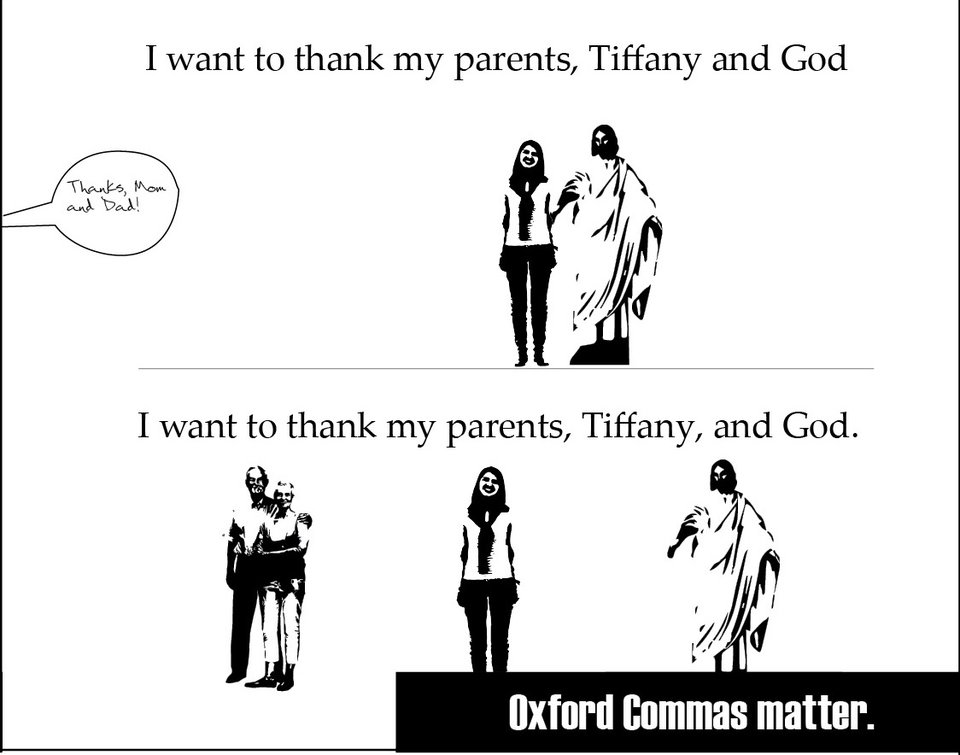
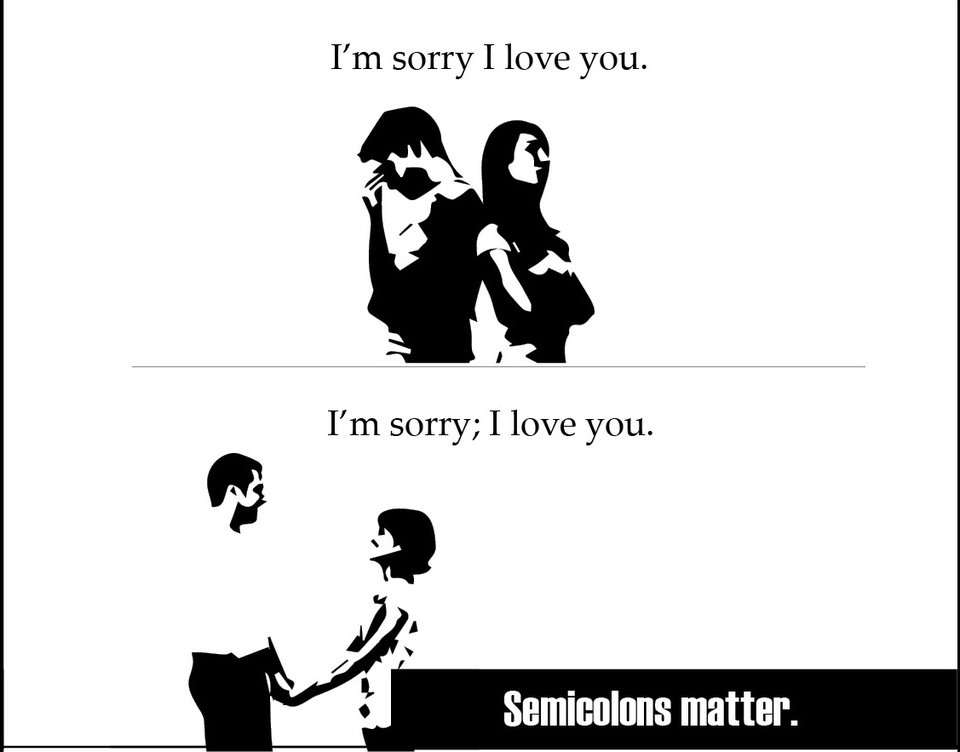


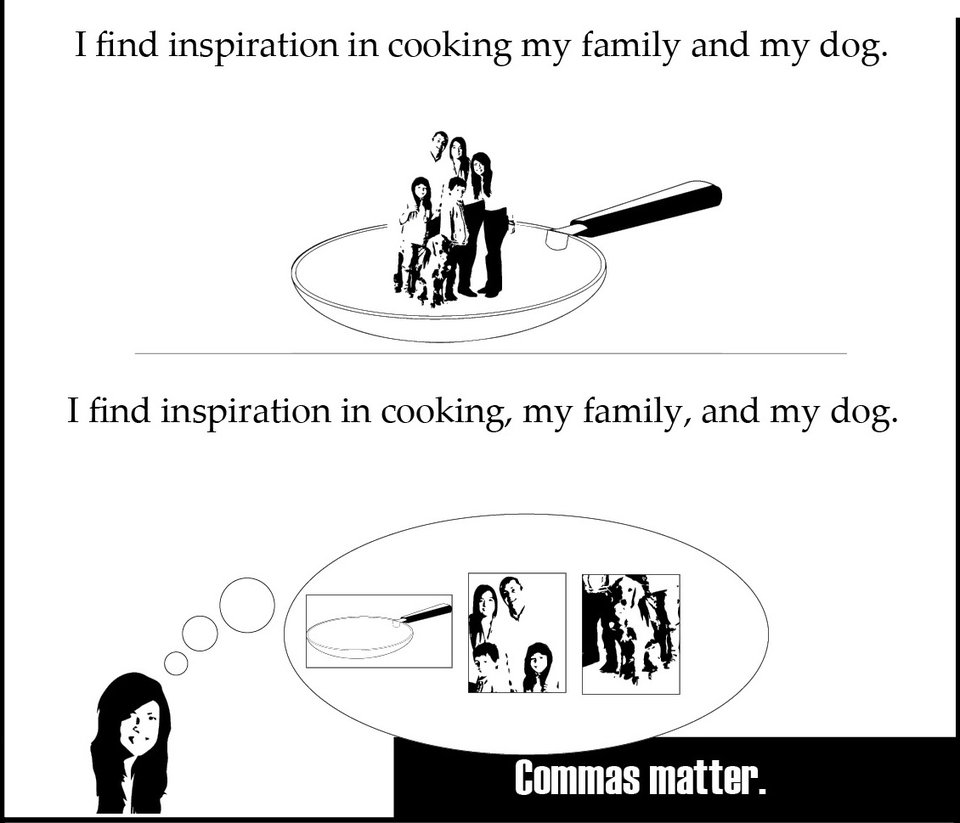
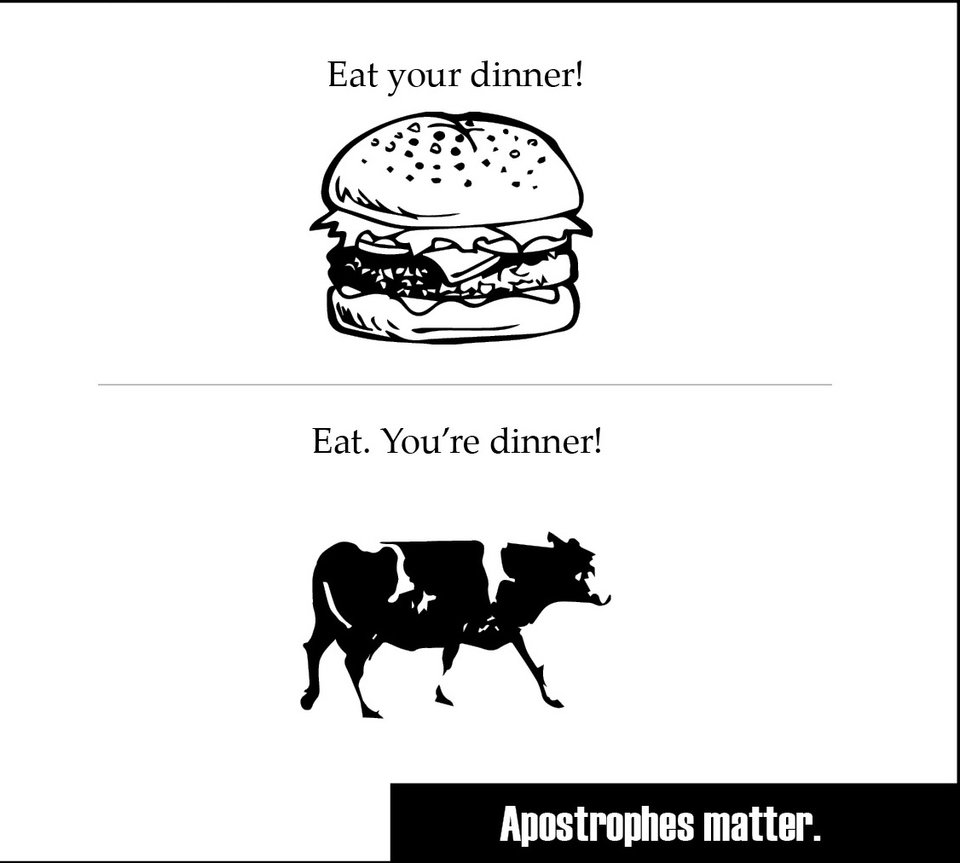
Punctuation gives writing life. It clarifies ambiguities and double-meanings. It gives rhythm and variety and purpose to writing. Even in social media, there is a valuable place for it. Let’s do the world a favor and bring punctuation back. After all, every time a semicolon is used on social media, an angel gets his wings.
Good column! But please correct your first example of the importance of punctuation:
A woman, without her man, is nothing.
A woman: wither her, man is nothing.