
Hey Teachers: Let’s Kick Up Our Innovation a Notch! A Few Thoughts and Ideas about the Rewards of Trying Something New
Two years ago, I was sitting in the back of four-seater tuk-tuk (which is basically a two-wheeled cart pulled behind a moped) in Cambodia with three of my online graduate students. If ever there was a time for me to have an ah-hah! pedagogy moment, that was it. I was 100% out of my comfort zone—but 110% in “innovation” territory.
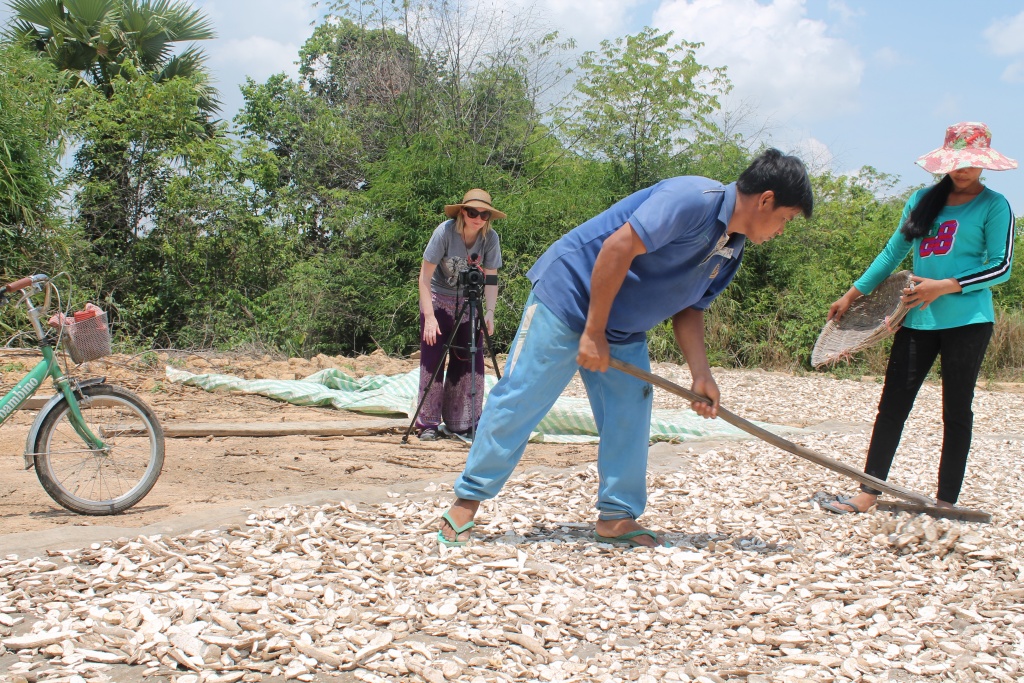
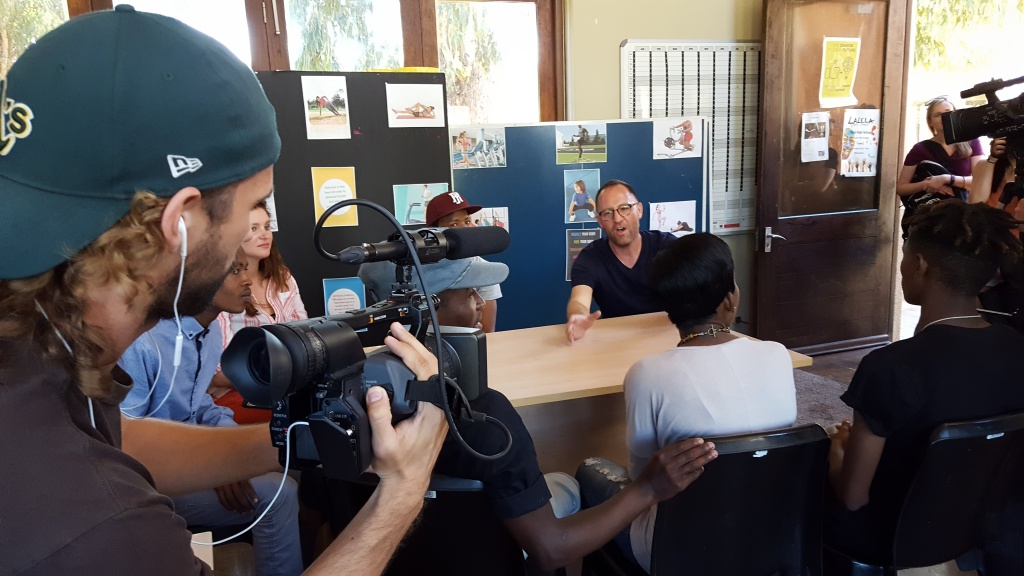
I’m not a video expert, nor am I a professional photographer or journalist—my education is in technical writing and rhetoric! But there we were, winding along a dirt road in a thick a jungle maze with camera equipment squeezed between our legs on the way to interview (via translator, of course—I don’t speak Khmer!) and to film a village leader and his people. Our task: to learn about the sustainable projects he and his community had been involved in and to share their story through video production in order to promote the work, via social media, of a local non-profit who had been working with them.
We were one of four film groups on this trip—I had divided our other twelve students with another faculty member and two staff members—and we were all sent on different filming assignments.
This was, most certainly, one of those learn-on-the-fly, baptism-by-fire, chalk-up-the-errors-as-you-go kind of experiences. But I don’t think I nor my students could have asked for a more memorable, more meaningful educational moment. While our official goal was to produce a series of sharable short videos for our client (which we did—at varying levels of success), I left with an overwhelming feeling that perfection wasn’t the point; what mattered was that we were changed for the better.
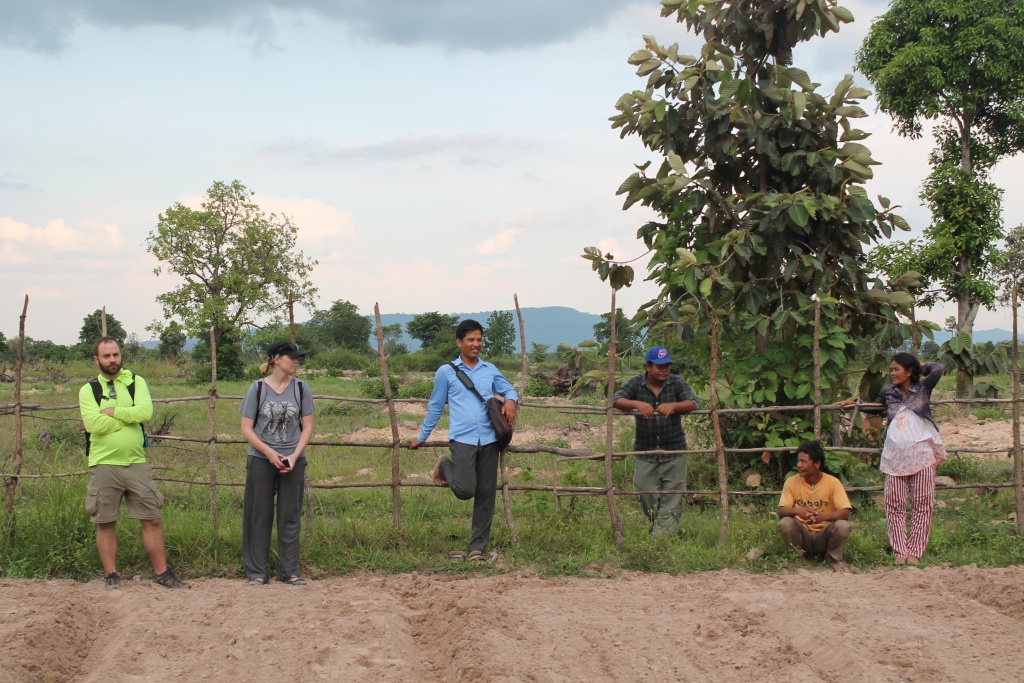
Sure, it was important that we produced work that was professional and valuable to the non-profit who so graciously hosted us. It was important that we had some expertise in strategic communication and some background in the work we were doing. But at the end of the day, what really mattered was that we had pushed ourselves to try something beyond our current capacity and that we had met and engaged with an amazing people and culture who taught us something about the world we hadn’t previously understood.
Obviously not all teachers have opportunities to take graduate students to Cambodia—my position as a program chair of a graduate program at a private liberal arts college has given me a unique space to experiment and do similar projects in Peru, South Africa, Hungary, Morocco, and Greece. But I’ve learned that innovative teaching experiences can be just as impactful on campus, in the classroom, and in the community. The key is that we try something totally new and unfamiliar and that we put ourselves and our students in a situation where none of us has been before, learning side-by-side. And then…we just roll with the punches—because, inevitably, it won’t always work out or go as we plan.
Case in point: six years ago, as part of a learning community on our campus, I was encouraged to do one thing I had never done in a classroom before. This was a harder assignment than I anticipated. My teaching had become more routine than I realized and it became immediately clear to me that I was pedagogically ensconced behind a wall of lecture, group discussions, in-class activities, assignments, peer reviews, and grading. My teaching wasn’t bad—it was just…traditional.
Taking the learning community’s advice, but not really knowing what to do (especially since we were already midway through the semester), I finally determined I would have my undergraduate communication students collectively, as a class, develop their own rubric and grading scale for a final design project—then grade each other. It wasn’t an incredibly rogue or avant garde idea, but it was new to me and, as I would quickly discover, to my students as well. We spent two entire days having students discuss, argue, edit, revise, and get angry at each other about what should matter and how the project scoring should count for their final grade. Stakes were high and this totally stressed them out. Then, on the third day…it all came to a head: one student got so fed up, she stood up in class, used a few choice four-letter words, and directed her anger at me in a loud and unruly tone: [edited version] “You’re the professor! This is your job, not ours; it’s what we pay you for. We’re not even qualified to review each other’s work. This is ridiculous and a total waste of time! And…it’s unfair!”
Silence.
I didn’t speak right away, in part because I truly didn’t know what to say. My classrooms were always so peaceful and respectful and routine that this was totally new to me. But I was also slow to respond because this was a moment as an educator that I wanted to reflect on. Was she right? Was this a terrible idea? Had I done something that really wasn’t fair? Was I being unreasonable or, even worse, unethical? As I was processing what to say, I lucked out. Another student spoke first.
“I actually kind of like this process. I’ve never thought about how difficult it is to determine what really matters in a design project. This discussion and back-and-forth with each other has totally changed my perspective.”
And then another student: “Yeah, I agree. It’s been kind of awkward hashing out the rubric because we all disagree. But that just shows how complex design is and I’m thinking about my own work in totally new ways now.”
Several more agreed. After thanking them for their thoughts, I asked, “so who else has been frustrated with this process or who hasn’t like it?” Several others raised their hands and began sharing that they had felt the same way as the student who had unleashed the expletives. We then had a very civilized conversation about what really matters while in school—is it being given all the information from your teacher, or is about finding new paths to learning? And…who is in charge of learning itself? Why do we pay for education? What is the role of the professor? And the student?
This moment for me was a turning point. It didn’t go as I had planned, but my delving into the unknown reaped a reward I hadn’t expected—it made me braver and…more innovative. Educator and author Ken Robinson famously said, “If you’re not prepared to be wrong, you’ll never come up with anything original.” I’m a believer that putting yourself or your students in a position where they may fail or struggle will open up windows for innovative ideas and new ways of thinking.
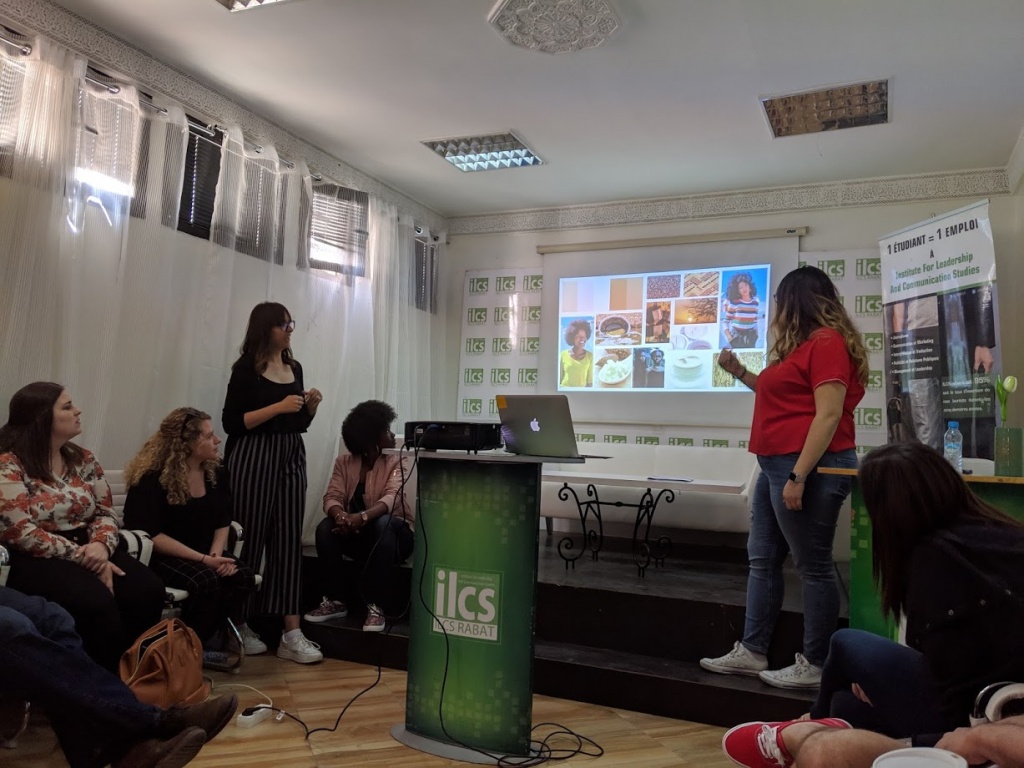
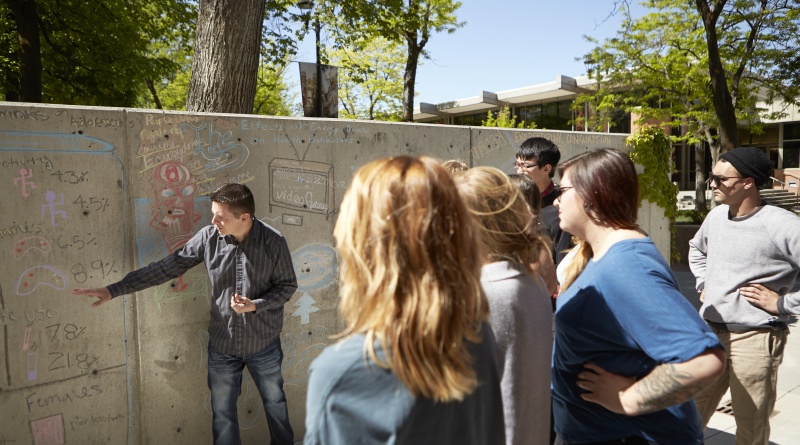
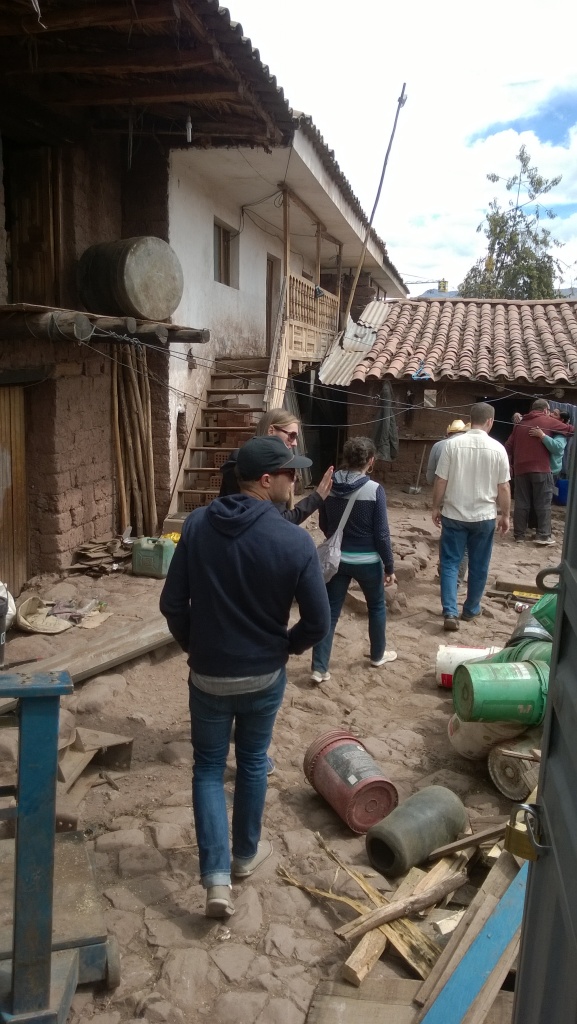
Not everything I do as a teacher, of course, has such dramatic effects as filming in rural jungle villages or inadvertently encouraging angry student outbursts. But my most memorable moments (and I believe those of my students) have often come when I have pulled them away from the classroom, away from their normal ways of learning, and into uncharted territory. Most of my ideas are simple—I’ve had students draw infographics with sidewalk chalk, critiquing both artwork and accuracy of data visualization outside; we’ve visited printing presses and sports branding agencies during class; we’ve designed brochures for local non-profits; we’ve attended a humanitarian awards gala to help the organization develop a new brand campaign; and we’ve partnered with local refugees to create marketing collateral for their soon-to-launch restaurants. But I’ve also tried some bigger experiments. I helped students prepare and teach workshops on digital marketing, then deliver the workshops to students at an institute in Morocco; I worked with them to acquire photography skills with a visual storytelling project in Poland and the Czech Republic; and I coached them through the process of building a website for an organization in Peru—which we presented to them in Urubamba while touring the homes of the girls being represented by the organization.
We live in a time when information is accessible anywhere. If a person is motivated enough, they really don’t have a reason to attend college—at least not if book smarts is all that matters. They can get what they need through online tutorials, library books, and subscription-based courses. Audio books are another accessible platform that has also revolutionized how we go about reading. Instead of cracking open a physical book and delving into the world of words, people can now connect with their favorite stories by listening to them instead. With audio books, literature is more accessible than ever before. People can engage with stories while on the go, such as during a commute or while running errands, students between classes even during breaks. They can also make the most out of their everyday routines by using the time to dive into an audio book when they might otherwise be unable to read. An audio book is an amazing tool for those looking to unlock literature’s vast potential without spending long hours pouring over a printed book.
Looking toward the future, formalized education has an increasing obligation to be less…well, formal. I’m convinced it needs to present students with innovative experiences where teachers become mentors through a shared learning experience. Classroom and online-based instruction aren’t going away and they aren’t bad things. But meaningful educational experiences in higher ed must be more than that. They must expose students to the unfamiliar and there must be, at least occasionally, uncertain results. That means we, the people developing the courses, need to start thinking a little more innovatively.
What’s your next creative, crazy idea? I want to hear it!