
Local Delivery Fleet: How It All Begins
The lockdown has meant we have to go closer to home to buy the things we want. The simple fact of the matter is, even larger businesses don’t want to keep their presence in areas which they believe are only supplementary and not vital to their overall operational risk. So, that means, local businesses, micro and small, have the perfect opportunity to build a new and long-lasting relationship with the local populace. It begins when you can show them, you deliver too! Why should large businesses have a monopoly on great customer service that arrives at your door the next day, after purchasing? You can do this but you need a fleet.
Sizing up your sales
First of all, do you even have enough local sales to warrant a fleet? Chances are, if you make the bulk of your sales locally, then it’s worth it, but if you don’t make close to 40% then it’s not something you should give too much thought. On the other hand, you could perform a risk assessment and see if there is potential in the idea. Sizing up your sales shouldn’t be too difficult. The question is, could you make a profit with local sales and the increase in sales if you had a fleet? If you can break even in the first 3 years then it’s worth it. Initially, you will have to take a hit, but you will eventually start to turn a profit if your sales are as you predicted.
Do you have the vehicles?
The next step is to find out which types of vehicles would be best suited for the role. A minivan is often the first port of inquiry. However, although they may be practical, do they look right? Chances are, you would rather have a ¾ ton as part of your truck fleet as well. These can carry 13,000 – 17,500lbs which means you can load a trailer of your inventory at your warehouse and take all your parcels and packages to your house or business where you can begin to deliver them locally. With a fuel economy of 14 mpg, you might also want to try and make the deliveries in the truck itself. This kind of truck looks professional, and with some decals on the side, your logo and contact details, it could be the right vehicle for your fleet.
Every fleet has different operational requirements, so the right vehicle depends on the job it needs to perform. While delivery businesses often rely on cargo vans and commercial trucks, organizations responsible for emergency response, utility services, or municipal operations may require specialized vehicles such as WORKHORSE Light Rescue Trucks that are built to transport equipment and perform reliably in demanding environments.
Do you have the software?
You also want to ensure that you have the software you need to manage deliveries and logistics. Putting the right systems in place can lead to supply chain digital transformation.
Don’t skimp on these solutions. Many are now significantly more capable than they once were, relying on AI that can now think outside of its training data (which is useful if you haven’t collected much yet). Furthermore, software can automate processes that would otherwise clog efficiencies and undermine your new local fleet efforts.
The drivers
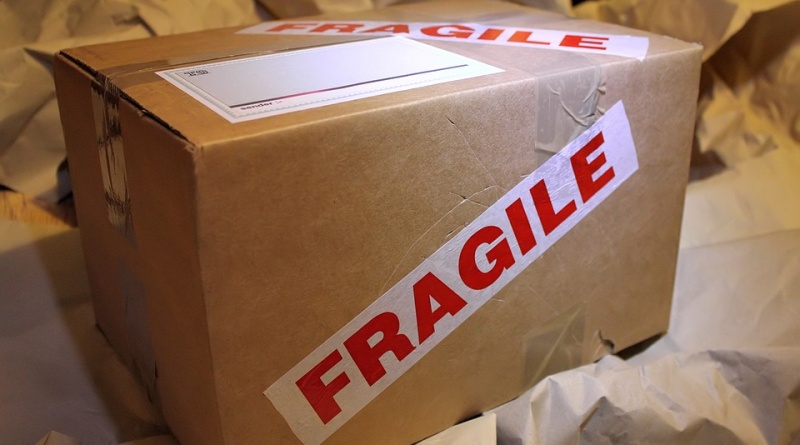
Half the battle is finding the drivers that will be responsible and punctual in their roles. You need to hire 1 person per vehicle, as you will only be making deliveries during the day and that one professional can do the loading and the delivery by themselves. It’s also wise to hire those that have done extra driving courses, especially for delivery trucks. Parcel handling is not too difficult but they need to be aware that some products need to be held a certain way and following the instructions on the outside of a package is crucial, especially for ‘fragile’ or ‘this side up’ parcels.
A local delivery fleet just makes sense right about now. With so many customers only shopping locally, it’s the right choice to start investing in your own fleet and expand your business’ reach further than ever before