
How is AI Improving Diagnostics in the Healthcare Industry?
AI has made a huge difference in every aspect of our lives over the past few decades, and has begun to make huge waves in the healthcare industry. Here’s how…
The healthcare industry is highly advanced compared to what it was at the turn of the century, but it still has its flaws. Artificial Intelligence (AI) has the potential to correct those flaws and revolutionise healthcare in the near future.
AI that is being invented and built at this very moment has the potential to eliminate the risk of being mistreated by negligent doctors. In future, it could help diagnose and treat diseases that we had no definite way of tackling… until now.
In this post, we’re going to discuss the latest advancements in AI technology within the healthcare industry to give you an idea of what is out there.
What Are the Latest Advancements in AI Healthcare Diagnostics?
Artificial Intelligence is able to collect and interpret data on a level that human beings couldn’t even imagine doing.
The AI advancements we’re about to discuss are the very best of what AI can do now, and they give you a window into what could be possible in the future.
1. Combine imaging sources
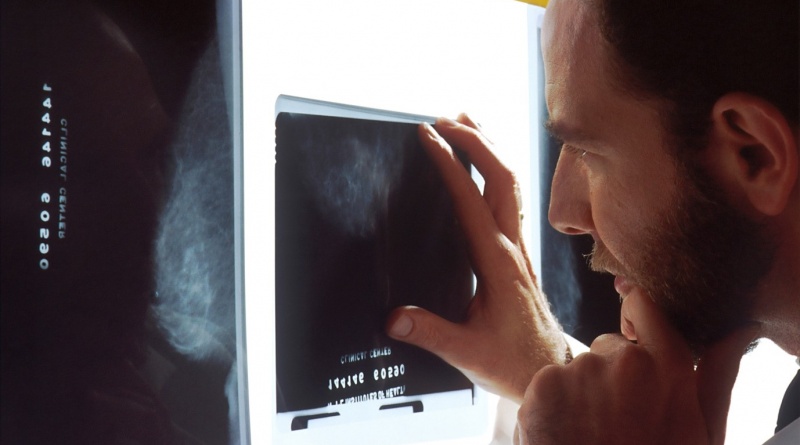
Radiologists use a range of imaging methods and technology to determine whether someone has a disease or medical condition. For example, they’ll use CT scans for one thing and X-rays for another.
Currently, AI-driven analysis software can only process one image. To be able to determine what disease someone has, and provide the radiologist with deeper insight into the disease’s severity and progression, the AI software needs to combine data from multiple imaging sources.
Some companies are already in the process of training their algorithms to do this, but it’s an incredibly difficult process that isn’t worth the time and money at the moment. We’ll have to rely on radiologists for now, until the process can be simplified.
2. Recognize multiple diseases
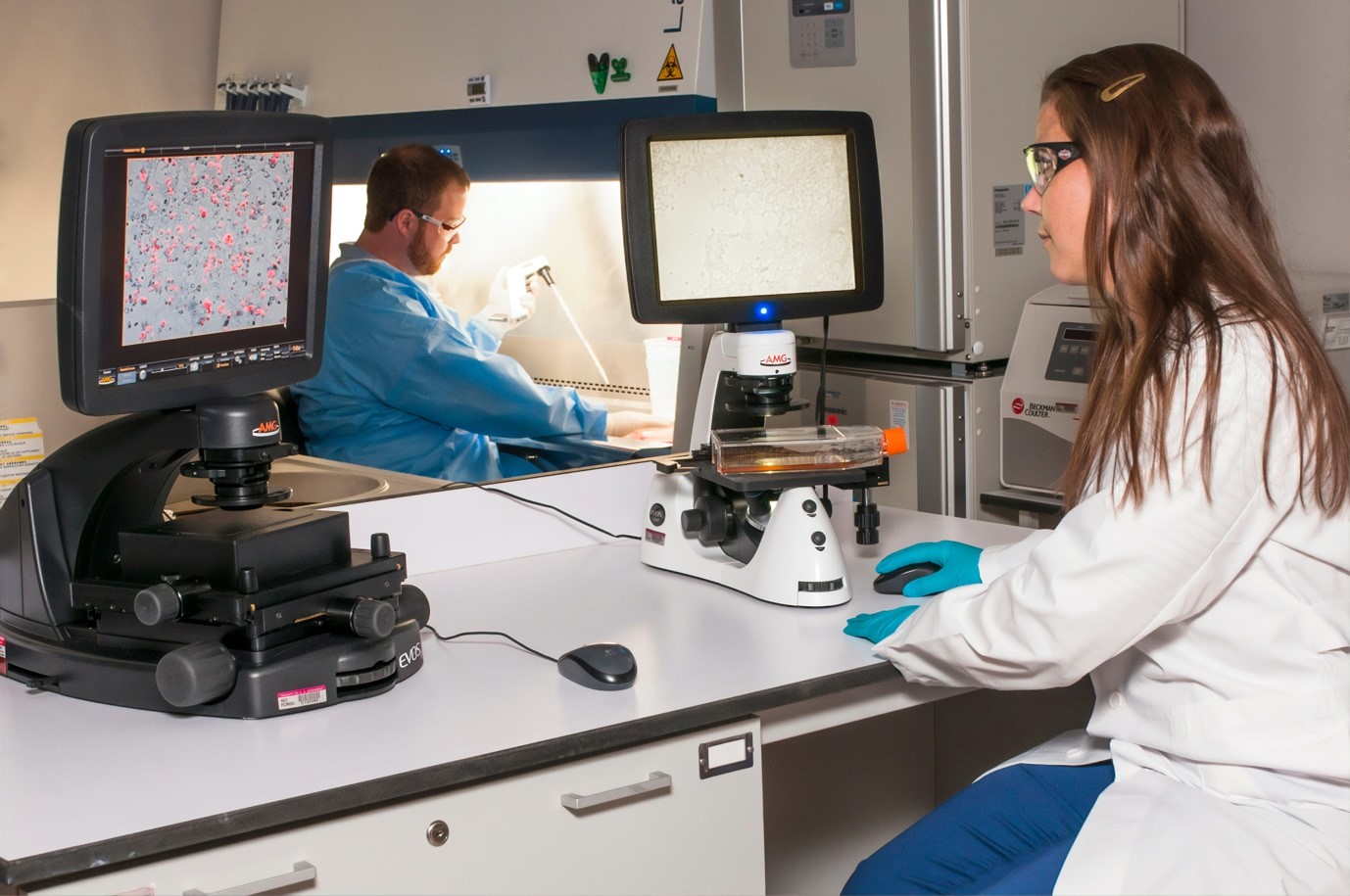
Another important use of AI in the medical industry is applying image recognition algorithms to multiple diseases. Currently, they are only able to recognise a few, which means they miss signs that a disease is something else than the one they’ve diagnosed.
In the future, AI algorithms will be able to recognise enough diseases to severely reduce the risk of misdiagnosis. Some companies are well on their way to this future, with DeepMind and Pr3vent’s AI algorithms able to detect over 50 ocular diseases from a single retinal image.
However, most companies tend to focus on one disease at a time because the amount of data they would need to create a single algorithm that can detect multiple diseases across the entire medical spectrum would take a long time and cost a countless amount of money.
3. Use inclusive data
There are issues with AI imaging software not being able to detect diseases across various genders and ethnicities. This is something that AI companies in the medical industry are currently working on.
One example of this would be how traditional AI algorithms have struggled to detect suspicious moles in dark skin tones. This is because the changes in the appearance of the moles are more difficult to identify.
Providing the algorithms with enough data to be able to identify diseases in people of different ethnicities and genders will take time, but is definitely on the horizon.
4. Have access to patients’ medical records
One major difficulty with current AI software is that it can only use medical imaging data to make diagnoses. This means that it doesn’t have access to the medical history of patients when it makes its analysis and draws its diagnostic conclusions.
To be able to plan viable treatment strategies, doctors need AI software to have access to all the information on the patients electronic health records, clinical trial results, drug databases and more.
So, to fully recognise the benefit of AI software for diagnostic purposes, software developers need to include medical record checks in their algorithms. Despite being a rare aspect of AI-driven diagnostics, a few companies are starting to explore this possibility.
This goes way beyond simple image recognition, and will remain a work in progress for the next decade and beyond. This is largely due to the insufficient systems of the various databases this technology would require access to.
5. Reduce the complexity
Currently, there are teams of software developers working on reducing the complexity of these systems. This will likely be the next big step in artificial intelligence for the medical industry.
The more streamlined the software gets, the easier it’ll be to run it for different diagnostics.
Reducing the number of layers whilst maintaining or improving the algorithm performance is what these developers are striving for. This would decrease the computing power needed, accelerate the speed at which the results are provided, and reduce server costs for AI companies.
6. Integrate with imaging equipment
The final benefit of AI software in the medical industry would be integrating the image recognition AI software with imaging equipment. This would facilitate the automation of medical image analysis and avoid problems with connectivity because no cloud access would be required.
The downside of integrating the image recognition software with the imaging equipment would be that hospitals wouldn’t be able to choose which provider or software to best suit their needs.
Will AI Change the Way we Diagnose Medical Conditions in Future?
In this post, we’ve shared the most important advancements in AI technology in the medical industry for making diagnoses. The software used to diagnose medical conditions will only get more advanced in the future, and new technologies will surely arise. At the moment, many of them are in their infancy but you can rest assured it won’t be long before we rely on AI to make all our diagnoses. The future is bright!