
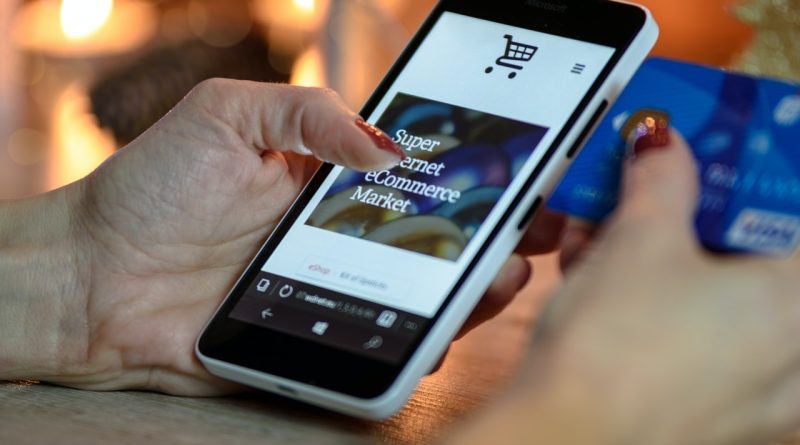
Key Considerations When Setting Up an eCommerce Store to Sell to Consumers Globally
The global eCommerce market was already thriving before the coronavirus pandemic hit, but since that international health issue arose, it has boomed even further. During stay-at-home orders, more and more people learned just how beneficial online shopping could be, and many got over their aversion to browsing and buying this way.
You may have been concentrating on finding business in your local area or shipping within your state until recently, but if you want to build your venture, it pays to follow the suit of many other entrepreneurs by going international. However, you do have to be strategic about how you sell and ship to customers worldwide and consider multiple factors to increase your chances of success.
Ensure Your Website is User-Friendly
One of the most important factors of selling online is having an excellent website that looks professional and is easy for shoppers to use. It must have straightforward navigation that’s simple for people to utilize, and it must work well on mobile devices, too.
There’s even more to think about when it comes to international sales. You want your website’s layout, design, and content to be as globally relevant as possible. To make this happen, you may want to sell wares via an existing online marketplace that’s popular in the overseas market you want to target next. You could use these sites long-term or for a short period to test the demand for goods.
If you want to attract visitors to your own business website, though, you must clarify what international shipping options are available. Showcase the different countries you will post goods to and the various costs you charge for delivery to different parts of the world. You should also set up a function whereby shoppers can choose their preferred currency, so they know how much items will cost them. Plus, consider installing a multi-language toggle or a translate function if you want to sell to people who live in parts of the world where they speak another language.
Understand Various Laws and Regulations
Another prime consideration is the various laws and regulations surrounding global sales and shipping functions. There are likely to be a variety of legislations and best practices you’re not familiar with yet but need to educate yourself on quick smart. Research the specific regulations that are in place around doing business and posting goods to the places you want to expand to. Investigate duties, taxes, customs, free trade agreements, quarantine rules, and even specific marketing, retail, and online shopping laws.
Create the Best Possible Shipping and Returns Processes
Next, work out the best possible shipping and returns processes to instigate that will help you cover your costs and satisfy consumers. Many entrepreneurs focus on making sales but then neglect to think about ways to get products to people safely, securely, and in a way that doesn’t eat up all the profits from a transaction.
Protect items with adequate packaging so they arrive intact and look nice, especially if you’re selling gifts. Depending on what you have for sale on your site, the logistics of hazardous goods could be a factor, too. You may not see items as hazardous, but they might be considered that way by international governmental bodies. You need to know which materials could be seen as dangerous overseas and how to identify and handle them appropriately at every touchpoint. You may need to use a temperature indicator or impact record to monitor such products in transit, and you may want to invest in helpful asset tags to track and analyze goods during shipments, too.
As for your returns processes, think about ways you can enable people internationally to send items back if goods don’t suit or if they end up broken, are the incorrect items, or there’s some other issue. People are hesitant to buy if they don’t feel comfortable knowing there’s a way to return gear if they’re not happy.
Your returns process should clarify what you will and won’t accept in returns, how long people have to lodge return requests, and the terms and conditions on things such as when you will offer refunds and when only store credit will be available. Again, check local consumer laws to ensure you’re not breaking any regulations in different countries, as these elements can vary from place to place.
Make It Easy for People to Pay
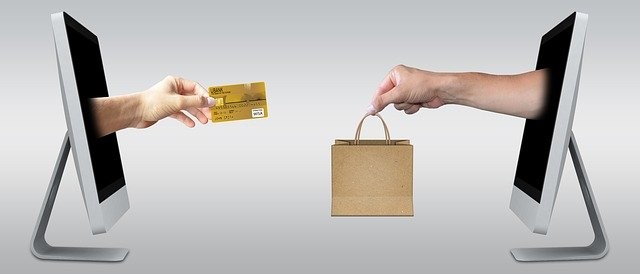
Lastly, do everything you can to make it easy for customers to pay and finalize transactions. For instance, enable multiple payment types so that shoppers can choose the option that suits them best, such as various types of credit or debit cards, PayPal, Apple Pay, gift cards, etc. Also, build trust so people feel safe to hand over their details by showcasing identifiers like contact details, site seals, payment gateway logos, business membership information, etc.
Global sales can dramatically improve your venture’s cash flow and longevity, but only if you go about this expansion cleverly. Think about shoppers when you make every decision, and don’t be afraid to change processes as needed if you get feedback indicating something isn’t working.