
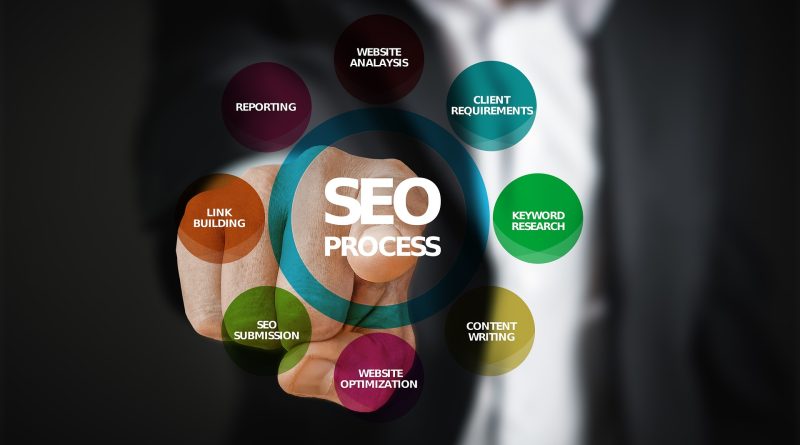
Understanding Search Engine Optimisation for Your Business
SEO, or search engine optimization, is a process used to improve the visibility and ranking of a website on search engines. The higher the ranking, the more likely people are to find the site.
There are several ways to improve your ranking, and while SEO can be a complex and time-consuming process, it is essential for any business. After all, when was the last time that you checked out page two of Google search results? Let alone pages three and beyond.
How Does Google Decide Rankings?
To improve your ranking, you need to understand how Google decides which websites to put at the top. While the company is notoriously secretive about its algorithms, we do know that they use a number of factors to determine rankings. These include:
1. Relevance – Is your website relevant to the user’s search query?
2. Content – Does your website have quality, well-written content?
3. Keywords – Are the right keywords used throughout your website and in the right places?
4. Links – Do other websites link back to yours?
5. Loading time – How quickly does your website load?
All of these factors are important, but some are more important than others. For example, relevance is key. If your website is not relevant to the user’s search query, it will not rank well. It’s not always straightforward to identify and implement an effective strategy, which is when business owners turn to an SEO consultancy Manchester for expert advice and guidance.
The same goes for content. If your website has poorly written or outdated content, it will also not rank well. Google wants to provide users with the best possible results, and that means websites with quality content are more likely to be at the top of the list.
Finally, links are also important. If other websites link back to yours, it shows that your site is a trusted source of information. This can help improve your ranking.
How to Improve Your Ranking
Now that you know how Google decides which websites to rank, you can start working on improving your own ranking. Here are a few tips:
1. Optimize your website for the right keywords.
This is achieved by sprinkling the keywords throughout your website, including in the title, meta tags, content, and alt tags. Be careful not to over-optimize, however, as this can result in a penalty from Google. So, ensure that the placement of keywords is natural and doesn’t interfere with the quality of the content.
2. Improve your website’s content.
As mentioned above, the quality of your content is important. Make sure that all of your content is well-written and up-to-date. You should also add new content on a regular basis to keep your website fresh.
Make sure that your content is relevant to your keywords and that it answers the user’s search query. If you can do this, then you are more likely to rank well.
The more content you have on your website, the better. Google loves websites with fresh, quality content. So, make sure to add new pages and blog posts on a regular basis. Not only will this improve your ranking, but it will also keep people coming back to your site.
3. Get high-quality links from other websites.
Links are still an important ranking factor, so it’s important to get links from other websites. The best way to do this is to create quality content that other people will want to link to. You can also reach out to other website owners and ask them to link to your site. Make sure, though, that the other website has high-quality content and isn’t going to have a negative effect on your rankings.
3. Improve your loading time.
If your website takes too long to load, Google will penalize you. Search engines now have a strong emphasis on the user experience, so sites that take a long time to load are likely to lead to people leaving your site and going elsewhere.
Make sure that your website loads quickly by optimizing your images, using a caching plugin, and using a content delivery network.
4. Set up Google Authorship.
Google Authorship is a way to link your articles to your Google+ account. This helps Google to understand who the author of the article is, and it can also help improve your click-through rate.
To set up Authorship, you need to create a Google+ account and then link it to your website. You can do this by adding a rel=”me” tag to your website or by using the Google+ Author Tag tool.
5. Use social media.
Social media is a great way to connect with potential customers and promote your content. If you can get people to share your content on social media, it will help improve your ranking. So, make sure that you are active on all of the major social networks, including Twitter, Facebook, and Google+.
You should also consider creating a Google+ page for your business. This can help improve your ranking in the search results.
6. Monitor your progress and adjust your strategies as needed.
SEO is an important process for any business, but it is also one that takes time and effort. The requirements of search engines such as Google are changing on a regular basis, so it’s important to know when updates are happening and to make any necessary changes to your SEO strategy.
Conclusion
The main points to take away from the article are that you should focus on improving your website’s content, getting high-quality links from other websites, and using social media. You should also monitor your progress and make any necessary changes to your SEO strategy.
Effective SEO is no longer a luxury or something which can happen organically. It needs a constant focus and review to ensure that you can reach the coveted number one spot.