
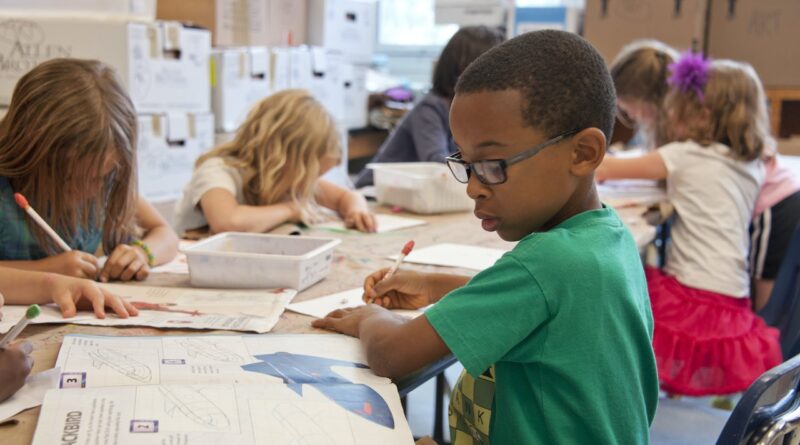
The Importance of Early Childhood Education
As the parent of a toddler, you’re already looking ahead and thinking about the future of your child’s education. While some might wait to consider the ways in which they want to help their child learn, it’s a great idea to start planning a strategy for your child’s early education well in advance, so you can help them start out on the right foot. Early childhood education is essential to a child’s development. It affects how they will go on to learn larger concepts, as well as influence their ability to interact with others.
When considering early education for your child, there are a number of different things that you’ll want to ensure are part of your child’s learning plan. To learn more about the importance of early childhood education, read on for a breakdown of the different learning components that are essential for a child’s early development.
What Is Early Childhood Education?
Early childhood education refers to education that occurs during a child’s developmental years, from birth to about age eight. These years are essential for childhood growth and development, as they help set the stage for how a child will operate and interact with others in the world throughout the rest of their life. Through early childhood education programs, children are able to learn how to express themselves verbally, emotionally, and physically.
What Are Some Important Factors of Early Childhood Education?
When considering your child’s early childhood education, be sure that your child is exposed to a wide array of experiences that promote the development of their brain and body. Some key skills that you may want to consider when developing an early childhood education plan for your child are language skills, social skills, and confidence skills.
Language Skills
One of the most important components of any early childhood education plan is language-learning skills. Learning a primary language is essential for laying the foundation for a child’s communication, and later, their literacy skills. Children develop language skills in a variety of ways, from sounds to gestures to words. As such, you’ll want to make sure that any early childhood education program your child is enrolled in puts a great emphasis on learning to speak and utilizing language to communicate with others. That includes learning the alphabet, combining sounds to make words, and using words to communicate physical and emotional needs.
In addition to learning their primary language, you may want to introduce your child to a secondary language at a young age. When children are young, their brains are more malleable, and therefore, more able to absorb sounds and structures from different languages with no detriment to their ability to communicate with their primary language. For instance, if you want to help your child learn Chinese, it would be a great idea to incorporate Chinese lessons into their early childhood education plan, as their brains are more open to learning new speech patterns. To effectively help your child learn a second language, try immersing them in the language and encourage them to speak and read it outside of classes.
Interacting with Others
Early childhood education helps children learn to express themselves emotionally. As such, they learn how to communicate feelings to others in an effective way. Learning to manage emotions is essential for childhood development, as it helps children to handle frustrations, resolve conflicts, and maintain a sense of self-control, all of which will help them as they continue their education. Given this, you’ll want your child to be part of an early childhood education program where they will be able to play and learn with other classmates their age.
Building Self-Esteem
When children grow into their toddler years, they begin to interact with others and start to define who they are. Through an early childhood education program, children can learn how to recognize their abilities and develop a strong sense of self-esteem. The greater a child’s self-esteem, the more confidence they will have in their ability to succeed. This is an essential source of motivation for children in pursuing their future academic endeavors and standing up for themselves when communicating their thoughts and feelings to others.
Conclusion
Early childhood education helps children properly grow and develop, setting them up for success in their future scholastic endeavors. When considering your child’s early childhood education, you want to make sure that any program they’re part of places a focus on establishing language skills, for both native and secondary languages, learning how to interact with others and express emotions effectively, as well as building self-esteem to promote self-confidence and motivation. What do you think are the most important facets of early childhood education to consider?