
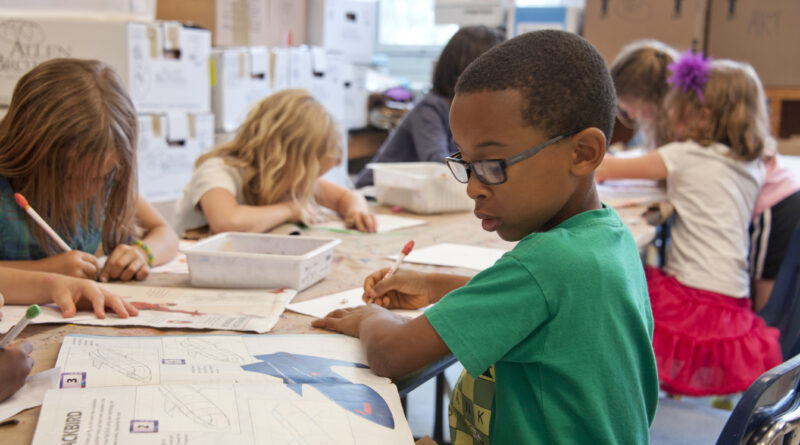
Building Strong Foundations: The Vital Role of Schools in Early Education
Early education is vital to building solid foundations for children, who will eventually become contributing members of society. However, the sad thing is that the number of preschool enrollment is declining. Per a recent report, in the year 2020, preschool enrollments stood at 40% compared to previous years for 3-4-year-old kids in the US.
Hence, there is a need to spread awareness about the importance of early education, and that’s what this blog is all about. In this article, we’ll look at all aspects of early education and how schools can play a vital role in preparing kids for success.
The Benefits of Early Education
Early education is an integral part of a child’s development. The benefits of early education include:
- Increased cognitive skills – Children who attend preschool are more likely to develop higher levels of thinking and problem-solving skills than their peers who don’t attend preschool. This can help foster cognitive skills, which is vital. According to various reports and surveys, cognitive skills are delayed in 37-57% of preschoolers. With early education, these numbers can be improved. Preschoolers also have an easier time learning new information, including letters and numbers, later in life.
- Improved social skills – Children who attend preschool are better able to get along with others, participate in group activities such as playing games or cooking together at home or school, understand how people feel about them, handle frustration without acting out aggressively toward others, follow the rules for behavior like saying “please” when asking for something from another person instead just taking it yourself without permission. These are all examples of social behavior that can be improved through participation in early childhood programs like Head Start, where children learn how important these kinds of behaviors are both inside classroom settings but also outside too.
How to Choose the Right School for Early Education
When choosing a school for your child, there are many factors to consider. Here’s a quick guide to finding the right fit:
- Curriculum: Look for a school with a strong curriculum that meets your child’s needs. If possible, visit and observe classes in action to see what’s happening in the classroom.
- Teachers and Staff: Ask about teachers’ experience, training, and qualifications. Ask other parents what they think of their child’s teachers. Also, check out how much time each teacher spends with each student. In preschoolers, in the age group of 3-4 years, one staff member should be able to cater to 7-8 children. This will give you an idea of how much attention your child will receive at school. Federal laws also need schools to maintain a proper teacher-child ratio.
- Reputation: Is this place well-respected by other parents? Are there any complaints about quality or safety issues regarding this particular institution? You might also want to ask yourself whether or not this would be considered one of “the best” places for young children based on its reputation among professionals.
The best way to find the right school for your kid is to do thorough research. You should review the school’s ratings and rankings as a part of your research. The website also states that each website that ranks schools will have different criteria. Hence, you must understand the criteria to understand the higher-ranking schools’ performance metrics.
When researching schools, also consider your locality. You would not want to go through the entire website of a school only to find out later that it is very remote from where you live. This is also beneficial when you are moving to a new location. Before making a move, researching your local schools is always vital. This will help you decide what locality you should move to and ensure good education for your children.
The Role of Schools in Early Education
Schools are an essential part of your child’s early education. Children learn, play and grow at school. Schools help children develop social, emotional, and cognitive skills that enable them to succeed. Schools also provide a safe environment for learning and growth.
The primary role of schools is to ensure that all children have access to quality education regardless of their background or ability level. For this goal to be achieved, there must be an emphasis on providing opportunities for every child irrespective of their circumstances at home or in the community they live in so they can get an equal chance at success when it comes time for them to attend school.
Curriculum and Instruction in Early Education
The curriculum of your early education program is an essential component. It should be based on research and evidence and tailored to the child’s needs. The curriculum should also be age-appropriate and developmentally appropriate for each age group, which can vary widely between states or countries.
For example, preschoolers have specific developmental skills at certain ages, whereas kindergarteners have different ones. Curriculum and instruction help establish clear learning objectives and outcomes for young children.
They define what children should know, understand, and be able to do at different stages of their early education. This ensures that the educational program is purposeful and focused on specific areas of development.
The Role of Educators in Early Education
The role of educators in early education is a vital one. They are the ones who interact with children daily, helping them develop into well-rounded individuals. Educators can help children build solid foundations for their future success by teaching them how to read, write and do math. Still, they also play an essential role in developing social skills like empathy, compassion, and kindness.
Educators must have training in early childhood development to know how best to meet each child’s unique needs as they grow up. They must also understand what motivates kids at different stages of development so that they can motivate them appropriately when needed.
Finally, educators need strong connections with parents/guardians to work together toward a common goal. This goal can be providing high-quality educational experiences for every child.
Parent-School Partnership
The school-parent partnership is a critical component of early childhood education. Parents are partners in their child’s education, and they can help their children learn by reading to them daily, playing with them regularly, or interacting socially with other children at home or school.
Parents should be involved with their child’s learning process because it helps ensure that the child receives a quality education that meets his or her needs. When parents and schools work together effectively, it creates a supportive environment that enhances the learning experience and promotes positive outcomes for children.
To ensure strong relationships within the Parent-School Partnership, both parents and schools should:
- Maintain open and respectful communication channels
- Establish trust and mutual respect
- Actively listen to each other’s perspectives and concerns
- Collaborate on decision-making processes
- Regularly share information about the child’s progress and well-being
- Attend parent-teacher conferences and school events
- Engage in constructive problem-solving when challenges arise
- Recognize and appreciate each other’s contributions to the child’s education
Both parents and schools must also learn to appreciate, celebrate, and praise even small achievements made by children. This can give a mindset boost by making the children feel more confident. A recent study showed that around 87% of parents feel that praising children will lead to self-esteem growth and a feel-good factor.
Overcoming Challenges in Early Education
As a parent, you are likely aware of the importance of early education. The foundation that is built in these early years has a significant impact on your child’s academic achievement and future success. Understanding this concept can help you understand how schools can play a vital role in providing children with quality instruction to prepare them for life.
Children learn best when they feel safe and secure at school, so educators must create an environment where all students feel accepted regardless of their cultural or linguistic backgrounds. Additionally, students should be free from discrimination based on gender identity or sexual orientation.
The role played by educators goes beyond simply teaching math facts. It includes helping students develop self-esteem through positive interactions with their teachers and learning how to resolve conflicts peacefully without violence whenever possible, even if someone has hurt your feelings badly enough that anger seems justified at first glance.
Conclusion
The importance of early education cannot be overstated. It is a crucial stage in a child’s life, setting the foundation for their future success. The role of schools in early education is to provide children with an engaging learning environment that encourages them to explore new ideas and experiences. The curriculum and instruction should be aligned with these goals so that educators can guide students toward reaching their full potential.
It’s great that you talked about how early education is an integral part of a child’s development. We think our daughter is now old enough, so it is now time for her to start learning. So, we are planning to enroll her in an early learning centre next year.