

Why Generic Logos Can Hurt Your Business and When to Invest in Custom Branding
A powerful brand identity often makes the difference between attracting immediate attention and blending into the background. Your logo, at the heart of that identity, can tell a vivid story about who you are, what you offer, and why it matters. In a market brimming with competition, thoughtful design sets you apart and lays the groundwork for deeper trust with your audience.
When businesses rely on generic, pre-made templates, they sacrifice authenticity for convenience and risk blending in with countless others. Cutting corners at this stage can damage credibility, weaken your brand’s uniqueness, and erode the connection you hope to foster.
The Allure of Mass-Produced Logos
It’s hard to resist a quick fix when you’re eager to increase your brand’s visibility. Imagine scrolling through a collection of logos, finding one that looks professional enough, and clicking “buy” for just a few dollars. Done, right?
The temptation is real: a seemingly polished design, no wait time, and an instant sense of accomplishment. Yet the convenience of mass-produced logos often comes with hidden pitfalls, from lack of originality to questionable quality control.
- Speed: A ready-made design is available in minutes, ideal for tight deadlines.
- Lower Cost: For entrepreneurs just starting out, budget constraints make a cheap, pre-made design tempting.
- Simplicity: Selecting from a range of predefined options removes the guesswork of conceptualizing a fully custom design.
- Wide Availability: Numerous online platforms and apps offer thousands of templates, making it easy to find something passable.
The Hidden Dangers of Generic Logos
Why spend extra time and money on a professionally designed emblem when a ready-made template offers instant results? At first glance, it seems like a harmless, pragmatic move—especially when you’re working with a tight budget. Yet this shortcut can have serious long-term repercussions, from diluting brand identity to hindering customer loyalty.
Whether you’re creating a logo for a regional or global company or planning custom signs Vancouver or any other local area has to offer, a unique design is a must. A cookie-cutter template may look “good enough,” but it rarely resonates with audiences or carries the unique story behind your brand. Instead of standing out and inspiring trust, a generic design can blend in with countless others, squandering the chance to capture attention and spark curiosity.
Overused Designs Undermine Originality
One critical issue is sheer repetition. Many of these templates circulate among popular design apps, making your chosen design a staple for multiple businesses. When prospective clients see a similar logo elsewhere, they can question how authentic your brand really is. Over time, this lack of originality erodes trust, as people start to perceive you as less innovative or genuine.
Poor Adaptability Across Platforms
A one-size-fits-all template rarely translates well across different mediums. What looks fine on a small business card might distort on larger signage or fall flat on digital platforms. Generic designs often don’t account for resizing, color variations, or brand extensions like packaging and merchandise. This inconsistency can confuse consumers and undercut the cohesive visual story you need to tell.
Short-Lived Brand Recognition
Finally, a generic logo rarely builds lasting connections. Without strong visual cues that speak to your brand’s core values, your emblem becomes disposable—easy to forget and even easier to overlook. A carefully crafted design, on the other hand, can evoke deeper emotional responses, helping customers remember you for all the right reasons.
Potential Trademark and Legal Pitfalls
One critical yet often overlooked risk involves trademark conflicts. Because mass-produced logos rely on frequently used design elements, there’s a higher chance your chosen graphic may resemble another brand’s emblem. Such similarity can lead to costly legal disputes and force you to rebrand down the line. Beyond that, securing trademark protection for a generic, widely circulated design can be difficult.
When to Transition from a Generic Logo to a Custom Identity
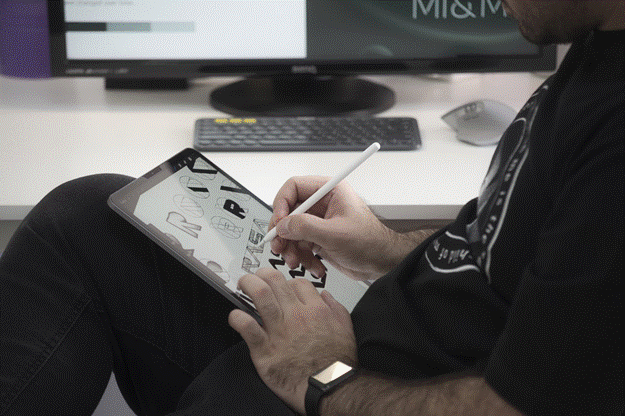
Photo by Milad Fakurian from Unsplash
Identifying the right moment to invest in a custom logo can feel like a leap in the dark—especially if your budget is already stretched thin. Yet there comes a point when a generic design no longer supports your growth.
If you find yourself fielding questions like, “Which company do you work for again?” or needing to constantly explain your visual elements, it might be time to upgrade. Such indicators suggest that your brand identity isn’t doing its job, missing the mark with consumers who crave a clearer, more memorable experience.
Consider a transition if you’re exploring new product lines, entering fresh markets, or seeking to raise capital. These milestones often demand a stronger brand presence, ensuring potential investors, partners, and customers see you as credible and professional. A thoughtfully designed logo reflects the deliberate choices you’ve made about who you are and the value you provide, carrying through to everything from your packaging to your web design.
Finally, if you’re committed to long-term brand building, it pays to lay a solid foundation early. Rebranding later—in the midst of consumer confusion—can lead to wasted resources and lost momentum. By commissioning a custom design sooner, you pave the way for brand loyalty and recognition, giving your business the visual edge it needs to grow and succeed.
Tips for Creating Custom Logos that Work
Designing a custom logo that resonates with your audience and elevates your brand calls for more than an eye-catching graphic. It requires a strategic approach that considers the nuances of your business and the emotional triggers of your market.
Start with a Clear Creative Brief
Outline your brand’s core values, target audience, and overarching goals before drafting any visuals. A well-structured brief keeps everyone on the same page, making it easier to filter design ideas and stay aligned with your brand’s purpose.
Keep the Shapes Clean and Recognizable
Simplicity helps your logo remain instantly identifiable. Stick to strong, uncomplicated forms rather than intricate details that can become lost at smaller scales. Clean shapes also tend to translate better across digital and print media.
Optimize for Multiple Sizes and Formats
Your logo should look sharp and legible whether it’s a social media icon or a store window decal. Consider vector-based graphics to ensure crisp scaling. Test each version on real-life mockups to confirm quality and readability at various dimensions.
Balance Colors and Contrast
Choose a color palette that mirrors your brand’s personality but remains functional. High-contrast combinations help the logo pop against different backgrounds, while a consistent color scheme strengthens brand cohesion. Avoid overly trendy tones that may feel outdated in a year.
Gather Objective Feedback
Seek opinions from individuals outside your immediate circle, such as customers or industry peers. Honest critique can reveal how real audiences perceive your logo. Incorporate relevant suggestions, then finalize a design that aligns with your brand message and passes the real-world test.
Wrapping Up
Elevating your brand with a custom logo goes beyond aesthetics; it’s a strategic move toward authenticity, recognition, and meaningful connections. By focusing on clear messaging, consistent visuals, and audience engagement, you set the stage for lasting impact. Remember, a logo is more than a decoration—it’s a symbol of your business’s promise and the value you bring. Protect and cultivate that advantage.