
Responsible Borrowing Made Simple for Californians
Payday loans are common in California. People use them to cover small, sudden costs like a car repair or a late utility bill.If you are considering one, start with responsible borrowing. A simple plan, a small amount, and a clear payoff date can keep short-term credit from turning into long-term stress.
Know the Basics in California
California law sets clear limits on payday loans. The cash you receive is up to 255 dollars. You write a check for up to 300 dollars, which includes the fee, and the lender deposits it on your due date.
This is why many lenders describe a 255 dollar single-pay loan. Terms are short. Most loans are due on your next payday, often in two to four weeks.
Rollovers are not allowed in California. You cannot take a new payday loan from the same lender to pay off the old one.
If you still need help at the due date, ask about payment plans. State rules let many lenders offer extended payment options so you can break the amount into smaller parts rather than paying a fee to renew.
For a quick primer on how payday loans work nationwide, you can read the Consumer Financial Protection Bureau’s overview, which explains cost and timing in plain language. Source
Decide if You Really Need One
Start with a simple question. What exact bill will this loan pay, and what happens if you do not pay it now? If a fee for a late utility bill is smaller than the loan fee, the loan might not be worth it. If a car repair keeps you working and earning pay, a small loan may make sense.
List the dates and amounts for your next two paychecks. Write down rent, food, transportation, and any other must-pay items. If you cannot repay the full amount of the loan and fee on time without skipping rent or food, pause.
Look for other options like a payment plan with your biller, a one-time extension, or help programs through your city or county. California’s Department of Financial Protection and Innovation has consumer information on payday loans and your rights as a borrower.
Borrow Only What You Can Repay
Keep the amount small. Many people take the maximum when they only need part of it. A lower amount means a smaller check to clear on your due date and less pressure on your budget.
A quick rule that works for many people is the 5 percent check. Add the total you will owe on the due date. If that number is more than 5 percent of your take-home pay for that paycheck, the loan may be too large.
For example, if your paycheck is 1,200 dollars after taxes, try to keep the total due at 60 dollars or less. If your due amount is higher, reduce the loan size or look for another plan.
Plan Your Repayment on Day One
Treat repayment like a bill you already owe. Right after you receive the cash, move the payoff amount into a separate space so it is ready on the due date. Some people use a no-fee savings pocket inside their bank app.
Others buy a prepaid money order and put it in an envelope marked with the due date. The method is your choice. The point is to remove the temptation to spend the money elsewhere.
Mark the due date on your phone calendar. Add a reminder two business days before, in case you need to move funds. If your pay date changes, call the lender early.
Many lenders can adjust the deposit date one time if you contact them before the due date. Waiting until the last minute limits your options and can lead to extra bank fees.
Use Simple Visuals to Make a Smart Choice
Readers of The Visual Communication Guy know the power of clean visuals. A small, clear checklist can help you decide fast and with less stress. Try this one-page layout on paper or your notes app.
- Need: Write the bill name, amount, and due date.
- Loan: Write the amount you will receive and the total you must repay.
- Paycheck: Write the date and net amount of the paycheck that will cover the loan.
- 5 Percent Check: Is the total due less than 5 percent of that paycheck? Yes or no.
- Plan B: If no, list one other option you can try today, such as a payment plan or partial payment.
A short visual like this reduces guesswork. It makes the trade-offs easy to see. You can also draw a simple bar showing your paycheck, then shade the part that will go to the loan. If the shaded part looks too large, lower the loan amount.
Compare Short-Term Options
Before you borrow, check quick alternatives that can save money.
- Ask your utility, phone, or internet provider about a one-time extension or fee waiver. Many will help if you ask before the due date.
- Ask your employer if they offer early wage access or payroll advances. Some workplaces have no-fee options.
- Look for a small personal loan from a credit union. Terms can be longer, which spreads the payment.
- Consider selling a small item you no longer use. Even 40 or 60 dollars can reduce the loan you need.
If none of these fit your timing, a small, same-day payday loan may still be your fastest path. The goal is to keep it small and short, and to repay on time.
Protect Your Information Online
Only use state-licensed lenders. On the lender’s site, check for a California license notice and a real physical address. Read the fee table in full. Do not send your bank login to anyone.
A licensed direct lender will ask for your routing and account number, your ID, and your income details. They do not need your online banking password.
Use secure habits. Apply on a private device, not on public Wi-Fi. Save a PDF of your agreement so you can review dates and amounts later. If anything looks off, contact the lender right away to correct it.
What To Do If Repayment Gets Hard
Life happens. If you think you will miss the due date, contact the lender before the check date. Ask about a no-fee payment plan or a one-time adjustment.
Keep it simple and kind. Explain the change in your pay date, and propose a clear new date. If the lender offers a plan, write the dates into your calendar and follow through.
If your bank account is short, consider putting the repayment funds aside in cash and making a same-day deposit the morning before the lender processes the check. This reduces the chance of a returned-check fee from your bank.
A short call early often prevents big problems later. Silence creates fees. A plan reduces them.

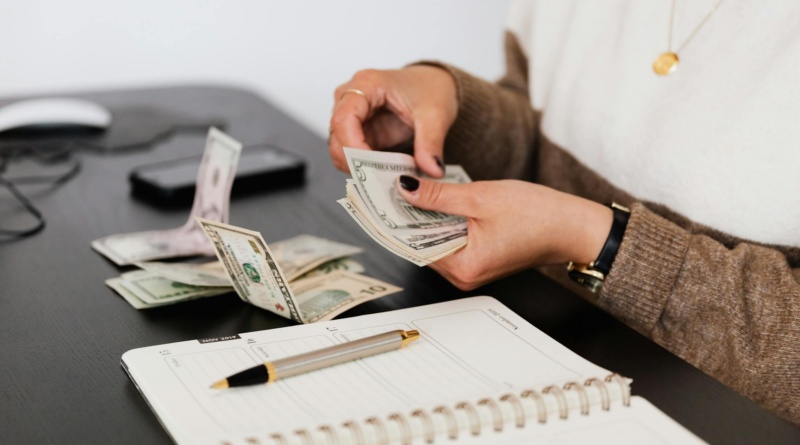
Photo by Tima Miroshnichenko
A Simple, Calm Way Forward
Short-term credit can be a tool when used with care. In California, the rules are clear, the amounts are small, and your plan makes the difference.
Borrow only what you need, set the money aside, and mark the date. If something changes, reach out early and adjust. With a small checklist and steady steps, you can handle an urgent bill and keep your budget steady.