
Understanding the Basics of Electrodeionization
Electrodeionization (EDI) is a water purification process that combines semi-permeable membrane technology with ion-exchange media to provide a high efficiency demineralization solution. The advent of EDI has revolutionized the way industries approach water purification by offering cleaner, cost-effective alternatives to traditional methods.
Understanding the Basics of Electrodeionization
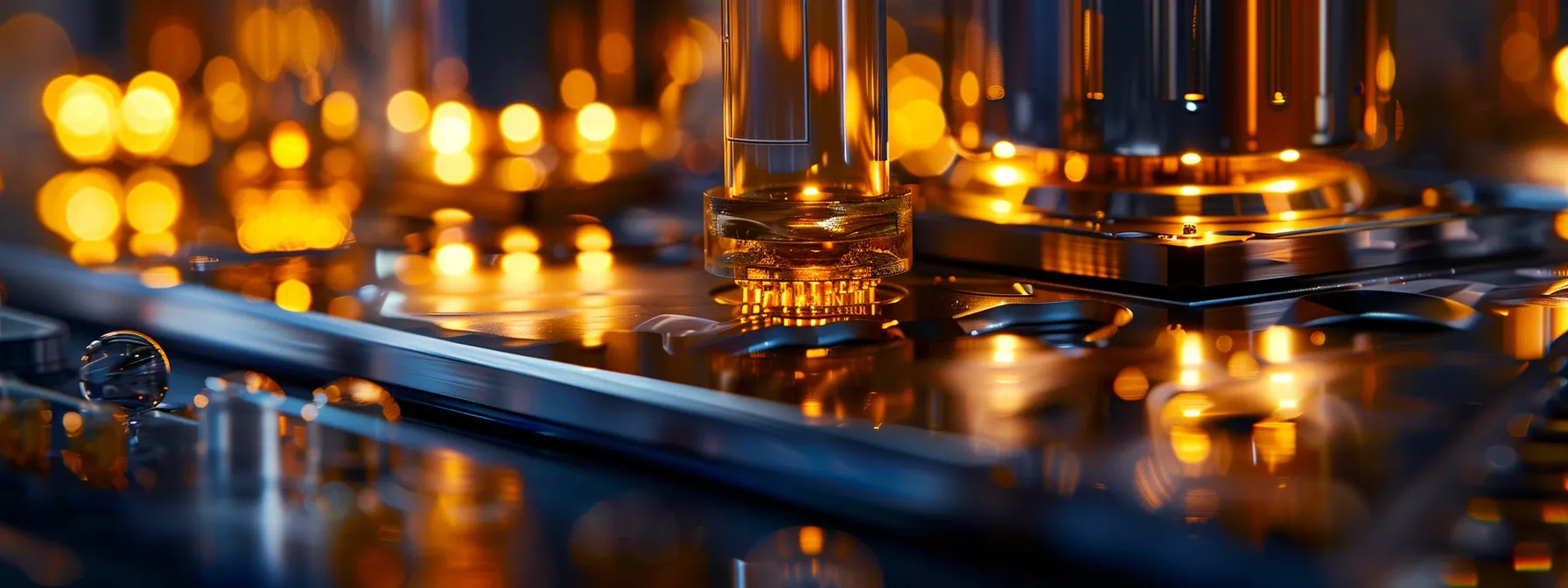
Electrodeionization is a continuous and chemical-free process of removing ionized and ionizable species from water using electrically-active media and selective ion-exchange membranes. EDI units typically consist of cells equipped with an electrode and an ion-exchange membrane, through which water passes. The electric current polarizes the ions, allowing them to be separated from the water molecules and captured by the ion-exchange resin.
While the technology might appear complex, the basic premise is that it merges the processes of electrodialysis and ion exchange for optimal water purification. This synergistic process results in the production of ultra-pure water, free from contaminants. The absence of chemical additives used in regeneration of ion-exchange resins is a significant advantage of this system, making it both environmentally friendly and safer for operators.
Answering the question “How does electrodeionization work?” is beneficial for end-users who are considering implementing the technology in their own operations. Additionally, the reliability of EDI in producing constant water quality makes it a favoured choice in critical applications.
Unlike conventional deionization systems, which require periodic regeneration with chemicals, EDI systems regenerate continuously with the help of an electric current. This ensures a steady supply of high-purity water, which is essential for industries where any water impurities can compromise product quality or process efficiency. As a result, EDI is a sustainable and economical option that offers both operational reliability and environmental benefits.
The Role of Ion-Exchange Membranes in Electrodeionization
The ion-exchange membranes play a central role in the EDI process. These specialized membranes act as barriers that allow selective passage of either positively or negatively charged ions. They are critical components that help to separate the feed water into distinct streams of deionized water and concentrated waste. Without these membranes, the electrodeionization process would not be able to function effectively.
Membranes are typically made from polymer compounds that are resistant to the electrochemical reactions occurring within the EDI unit. They need to be carefully monitored and maintained to ensure the overall system operates at peak efficiency. A compromised membrane can lead to reduced water purity, making regular checks a necessary part of an EDI system’s upkeep.
One of the advantages of ion-exchange membranes is their longevity. When compared to traditional media that requires regular replacement, these membranes offer a more sustainable solution that aligns with long-term operational goals. However, they are not impervious to certain challenges, including scaling and fouling, which can affect performance over time.
Addressing these challenges involves a combination of pre-treatment processes and adequate system design to ensure that the feed water quality is within acceptable limits for the EDI system. With proper care and regular maintenance, ion-exchange membranes can perform effectively for many years, making electrodeionization a reliable technology for consistent water quality control.
Key Applications and Industries Benefiting from Electrodeionization
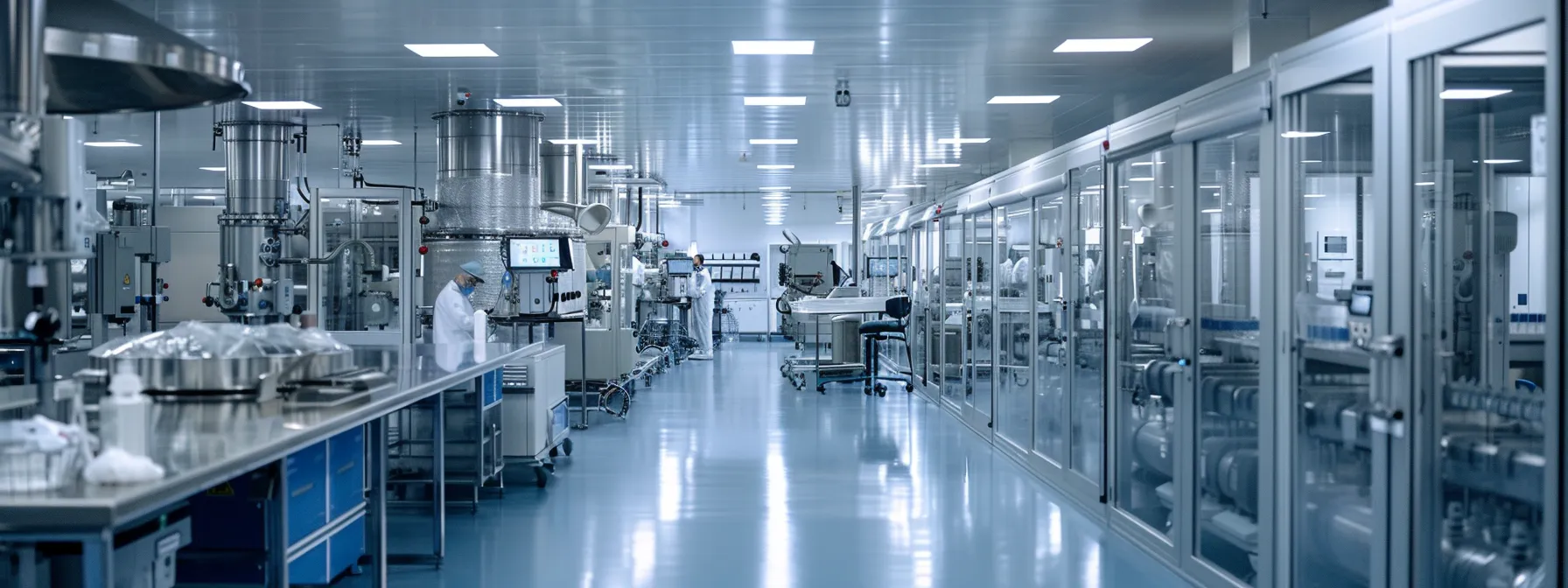
The versatility of electrodeionization extends its utility across various sectors. Industries such as pharmaceuticals, semiconductors, and power generation rely on the high-quality water produced by EDI for critical processes. In the pharmaceutical industry, water purity is paramount, and EDI systems help ensure that water used in production meets stringent regulatory standards.
Similarly, the semiconductor industry uses EDI for the production of ultrapure water, which is essential for the cleaning and preparation of microelectronics. Even the slightest impurity can compromise the integrity of these products. Therefore, the consistent output of EDI systems makes them indispensable in this field of manufacturing.
Power generation plants also benefit from electrodeionization, primarily in the treatment of boiler feed water. High-purity water is essential to prevent scale formation and corrosion within boilers, which can lead to inefficiencies and equipment damage. EDI systems help maintain the clean water supply necessary for optimum operation and longevity of this equipment.
Aside from these sectors, EDI has applications in laboratories, food and beverage processing, and even in the treatment of process water in various manufacturing industries. As companies increasingly prioritize sustainability and water conservation, the adoption of electrodeionization is likely to continue expanding into new areas that require pure and deionized water.
Altogether, the advanced purification capabilities of electrodeionization systems offer substantial benefits over traditional technologies in terms of operational efficiency, environmental sustainability, and water quality. As water scarcity and purity challenges become more acute, the role of EDI in water treatment is likely to grow, solidifying its status as a key technology in the quest for a cleaner and more sustainable future.