
How to Properly Segregate and Package Pathological Waste?
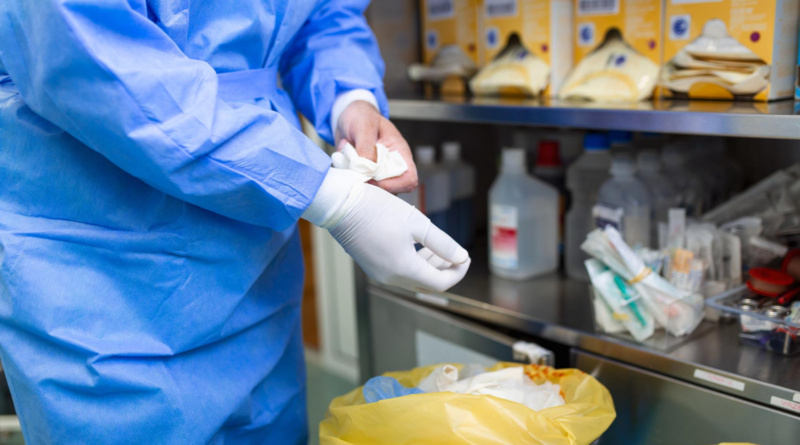
Segregation and packaging of pathological waste are crucial measures that ensure safety in healthcare waste management. This process shields the environment, patients, and staff from hazardous exposure. Learning why and how compliance with regulations is necessary to lower operational, legal, security, and other risks. Carefully managing this waste demonstrates an entity’s dedication to both public health and operational efficiency. Let’s discuss this in greater detail.
Defining Pathological Waste
Pathological waste consists of human tissues, organs, body parts, and body fluids that have been removed during surgery or autopsy. Unlike normal medical waste, these are biological materials. They must be carefully handled to prevent the spread of disease and the contamination of the environment. Following defined processes enables the staff to segregate pathological waste from the rest and ensure proper waste disposal.
Why Careful Segregation Matters
Segregation ensures that hazardous items are not mixed with non-hazardous materials. This differentiation protects employees from harmful microorganisms and needle injuries. It also makes the disposal simpler, as only those qualified to handle hazardous materials deal with it. Ensuring proper classification limits disposal cost and keeps environmental compliance records clean, decreasing the likelihood of legal issues.
Color-Coded Containers for Safe Sorting
Color-coded bins are a key part of identifying the type of waste. Pathological materials are usually indicated by yellow or red containers. Bins carrying this waste must be strong, should not leak, and have bags to avoid direct contact. When each container is clearly labeled, confusion can be avoided, and waste materials can be disposed of correctly. Visual cues allow both new and experienced staff to appropriately follow and complete procedural work.
Packaging Protocols for Pathological Material
After sorting, pathological waste must be packed in order to avoid spillage and leakage. The liners for this purpose are thick and puncture-resistant, so staff can double-bag them. Each bag is tightly sealed to prevent odors and fluids from escaping during transportation. Additional protection comes in the form of rigid containers with secure lids that can be used when sending larger tissues or organs. Following these steps adds additional layers of safety.
Labeling for Accurate Identification
Every package is clearly labeled to indicate its contents. This includes waste type, date, and facility. With such accurate information, handlers and transporters know precisely what they are dealing with. Furthermore, tracking this waste helps if it gets lost on the way or is exposed accidentally. Clear labels ensure accountability across the chain of disposal.
Storage Guidelines Before Disposal
Pathological waste should not be kept at the facility any longer than necessary. Cool, ventilated temporary storage areas are critical as they help reduce odour and delay the rate of decomposition. Do not place containers near food, clean items, and busy pathways. Only authorized personnel should be able to enter storage rooms. In this way, risks can be managed, keeping both staff and the public safe.
Transporting Pathological Waste Safely
Staff trained in handling pathological waste must transfer compacted waste using special carts or trolleys. They should be cleaned regularly and disinfected at least once every day to avoid potential contamination. Crowded corridors and patient areas should be avoided when planning transport routes to limit exposure. Immediate transfer reduces the risk of accidental release at treatment or disposal sites. Movement efficiency promotes safety and hygiene.
Final Disposal Methods
Pathological waste is typically incinerated in licensed facilities, which safely eliminates biohazards. Incinerators are run at incredibly high temperatures to ensure tissue breakdown. Alternate processes, like disinfection through chemicals, are also available. However, these must comply with rigid regulatory requirements. These processes help avoid contamination, and compliance with local health codes is possible.
Staff Education and Training
Continued education keeps staff informed about the best practices for waste disposal. Training enables staff to understand how to segregate, package, and handle emergency procedures for pathological waste. Correct techniques are further emphasized through visual aids and demonstrations. An environment of transparency leads to creating a culture of safety and continuous improvement.
Conclusion
Proper segregation and packaging of pathological waste is nonnegotiable. It ensures people’s safety and full regulatory compliance. Safe disposal relies on concrete guidelines, strong containers, correct labels, and continued efforts. Taking care of everything down to the last detail provides a safer environment for staff, patients, and the community. By following these protocols and safety measures, you can demonstrate responsible healthcare waste management.