
The Art of Personal Branding: Extending Your Identity
Your personal brand is the story people tell about you when you’re not around. Whether you actively shape it or not, this story exists. It’s built from your online presence, your real-world interactions, and the values you show. Building a personal brand isn’t about faking who you are; it’s about intentionally guiding how people see you so it truly reflects who you are, what you stand for, and the unique value you offer. It’s about making your identity clear, consistent, and memorable. This smart approach to personal branding is becoming more and more important in today’s connected world, helping people stand out and reach their career goals.
This process goes much deeper than just a polished LinkedIn profile or a carefully curated Instagram feed. It’s an integrated practice that touches every part of your professional and personal life, creating a consistent message that builds trust and opens doors. When you understand its key parts, you can stop letting others define you and start defining yourself.
What is Personal Branding?
Personal branding is all about continuously shaping how the public sees you. It’s a deliberate way of showing the world your unique skills, experience, and personality. A strong personal brand makes it clear what makes you, *you*. Think of it as where your self-perception meets how you want others to see you. It’s the promise of value you represent.
Many people mistakenly think branding is only for business owners or public figures. But the truth is, everyone benefits from it. For someone looking for a job, a strong personal brand can help them stand out from hundreds of other applicants. For a freelancer, it attracts ideal clients who connect with their style and work ethic. As a guide on personal brand points out, it’s about highlighting your strengths and passions. Any real brand starts with knowing yourself. You need to identify your:
- Values: The core beliefs that guide your choices.
- Passions: The topics and activities that energize you.
- Strengths: Your key skills and talents, both technical and interpersonal.
- Purpose: The “why” behind what you do.
Building a purpose-driven personal brand ensures your efforts are based on something meaningful, making your brand more lasting and relatable. For example, a software developer whose goal is to make technology easier for non-technical users will build a brand around clear communication, user-friendly tutorials, and empathetic problem-solving. This purpose guides their blog content, the projects they choose, and how they talk to clients, creating a powerful and consistent identity.
Visuals That Define You
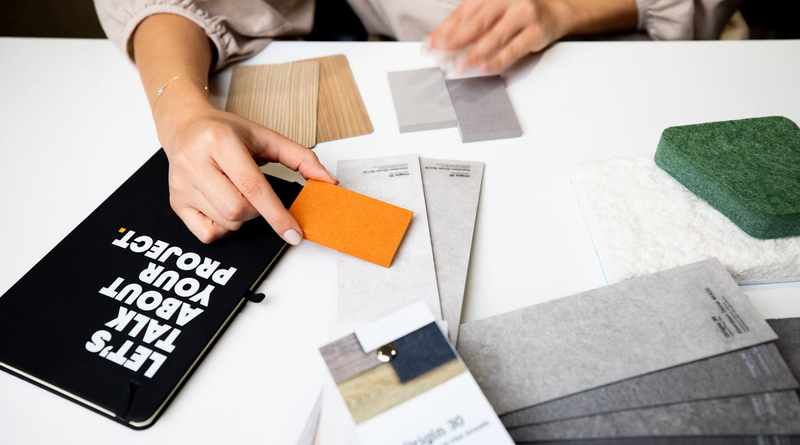
Visuals are a powerful way to communicate because our brains process them much faster than text. In personal branding, your visual identity acts as a shortcut, instantly showing key parts of your personality and professionalism. This means more than just having a professional headshot. It includes a consistent look across all your platforms, like the color palette on your website, the fonts in your email signature, and the style of images on your social media. These elements work together to create a specific mood and expectation.
Your visual brand also extends into the physical world through your personal style. How you dress for a meeting, the accessories you choose, and even the items you carry all communicate a lot before you say a word. A creative director might choose bold patterns and unique glasses to signal innovation and confidence, while a financial consultant might opt for classic, well-tailored clothes to project trustworthiness and stability. Neither is “better” than the other; they are simply visual choices that match a specific brand identity.
This form of expression can even include personalizing your most important possessions. Customizing items is a way to make a statement and show your individuality. People add unique touches to their homes, their technology, and even their vehicles. Some individuals use distinctive items like custom paint jobs or unique private number plates for sale to express their personality, hobbies, or sense of humor. These choices, big and small, are all part of the visual picture that tells your story and strengthens your personal brand.

Image Credit: Unsplash
Beyond Digital: Real-World Branding
While much of the talk about personal branding focuses on your online presence, its most powerful impact comes from your real-world interactions. Your brand truly comes alive in how you communicate, behave, and connect with others face-to-face. Your online profile might promise that you are collaborative and insightful, but it’s how you act in a team meeting that will either prove or disprove that claim.
Your communication style is a main driver of your offline brand. This includes:
- Verbal Communication: The words you choose, your tone of voice, and how clearly you can explain ideas.
- Non-Verbal Communication: Your body language, eye contact, and posture all send strong signals about your confidence and engagement.
- Listening Skills: Being an active and empathetic listener is often a more powerful branding tool than being a great speaker. It shows respect and builds connection.
Networking events, client meetings, and even casual coffee chats are all chances to reinforce your brand. Your “elevator pitch,” a short and compelling introduction of who you are and what you do, is a classic tool. But your brand is also built in the follow-up email you send, the thoughtful questions you ask, and the genuine interest you show in others. There are many practical tips for building your personal brand that focus on these crucial interpersonal skills. Ultimately, your brand is solidified by your actions and your reputation. How you treat colleagues, respond to challenges, and keep your promises are the truest tests of your brand’s integrity.
Consistency Across All Touchpoints
A strong personal brand is a consistent one. Inconsistency creates confusion and erodes trust, which is vital for any good relationship, professional or personal. Every time someone interacts with you, it’s a “touchpoint” that should reinforce the same core message. If your online persona doesn’t match your offline behavior, your brand can feel fake and unreliable.
Think about all the places your brand exists. A thorough brand audit should review every touchpoint, including:
- Digital Profiles: Your LinkedIn, Twitter, Instagram, and any other social media should tell a cohesive story. A playful, informal Instagram feed might clash with a very serious and corporate LinkedIn profile.
- Personal Website/Portfolio: This is your digital home base and should be the most complete representation of your brand.
- Written Communication: Your email signature, the tone of your messages, and even your resume should align with your brand’s voice.
- Verbal Communication: How you introduce yourself on the phone, the voicemail message you leave, and your presentation style in meetings are all critical touchpoints.
- Visuals: From your headshot to your business card, your visual elements should feel like they belong to the same person.
For example, if you brand yourself as “meticulously organized and detail-oriented,” your brand is weakened every time you send an email with typos, show up late to a meeting, or submit a report with formatting errors. The goal isn’t to be a rigid, one-dimensional character, but to ensure that the core principles of your brand – your values, key strengths, and professional promise – are clear in everything you do. This alignment builds a predictable and trustworthy identity that people can count on.
Your personal brand is ultimately an expression of your authentic self. It’s about understanding your unique value and communicating it clearly and consistently, turning your identity into your greatest asset. The most powerful brands aren’t invented; they are simply discovered, refined, and shared.