

6 Landscaping Choices That Can Help Keep Pests Away From Your Home
Some landscaping choices might help make your home look good. But pests see it differently. A thick bed of mulch against the siding is a nice place for a mouse to hide, and a shrub touching the wall is a ramp.
When pests show up, landscaping might not be the first thing you suspect. But the plants you choose, where you put them, and how you maintain your yard can all affect whether pests stay away or find their way toward your home.
If you keep dealing with insects or rodents, take a look at what’s growing around your house. A few changes to your landscaping may help reduce hiding places and limit the ways pests get inside.
Here are 6 landscaping choices that can make a difference.
1. Mulch Placement and Depth
Mulch might look tidy, but it holds moisture, which is exactly why pests like it. Damp mulch piled against your foundation gives crawling insects a sheltered spot right next to the house. Mulch can also hide the base of the wall, which could mean missing early signs of ants or termites until they’ve been there a while.
If you must use mulch, keep the layer thin and leave just a few inches of gap between the mulch and the foundation so you can see the base of the wall.
Rake it every now and then so it can dry out. And instead of piling new layers on top of old ones, add fresh mulch each year to avoid keeping the bed wet underneath. If pests keep returning, contact a pest control professional like A-Academy for advice.
2. Plants and Shrubs Near the House
Dense shrubs pressed against a wall create shade and humidity, and they hide whatever is living inside them. Spiders, ants, and rodents love that kind of cover. Overgrown bushes also provide rodents with a safe path from the yard to the foundation, and thinning them out removes that cover.
Give your plants some room. When there’s space between the leaves and the siding, air can move, and you can see what’s going on. Vines are worth a second thought, since they work like ladders for insects. A trellis set away from the wall is a better home for them.
Flowering plants also bring bees and wasps, so keep the blooms a little farther from doors and windows.
3. Trees and Branches
Branches that touch your roof or siding give pests that climb trees, like squirrels, rats, and ants, an easy bridge into the house. Carpenter ants often travel along limbs to reach a roof. Squirrels can jump a surprising distance, so a branch that looks a few feet away may still count as a bridge.
Routinely trim the branches back until there’s a clear gap between the tree and the house. Pruning also lets sunlight reach the roof, which helps it dry out after rain.
Additionally, remove old stumps and fallen limbs. Rotting wood breaks down slowly and can host termites and carpenter ants, so it’s best to remove it or have it treated.
4. Water and Drainage
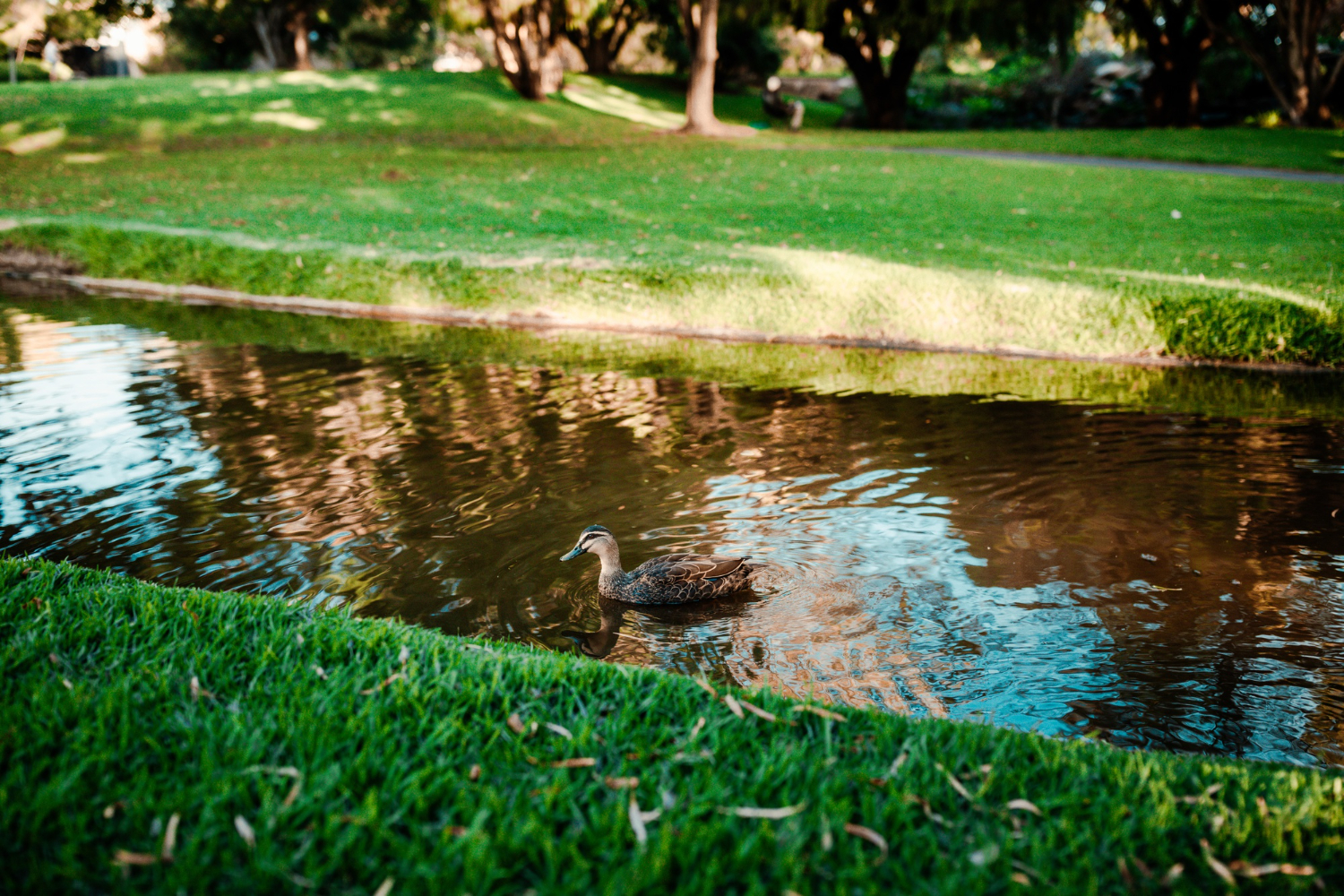
Many pests are really after water inside or outside your home. Mosquitoes breed in almost anything that holds water, from a clogged gutter to a forgotten bucket. Even a small puddle or a dripping outdoor tap can be enough for pests to settle nearby. So, clear and eliminate standing water or change the water every few days so mosquitoes don’t get a chance to breed.
Fix the low spots in your yard where water pools after rain. Point downspouts away from the foundation and clear the gutters so they drain properly because wet soil beside the house can attract ants and termites.
5. Lawn and Garden Habits
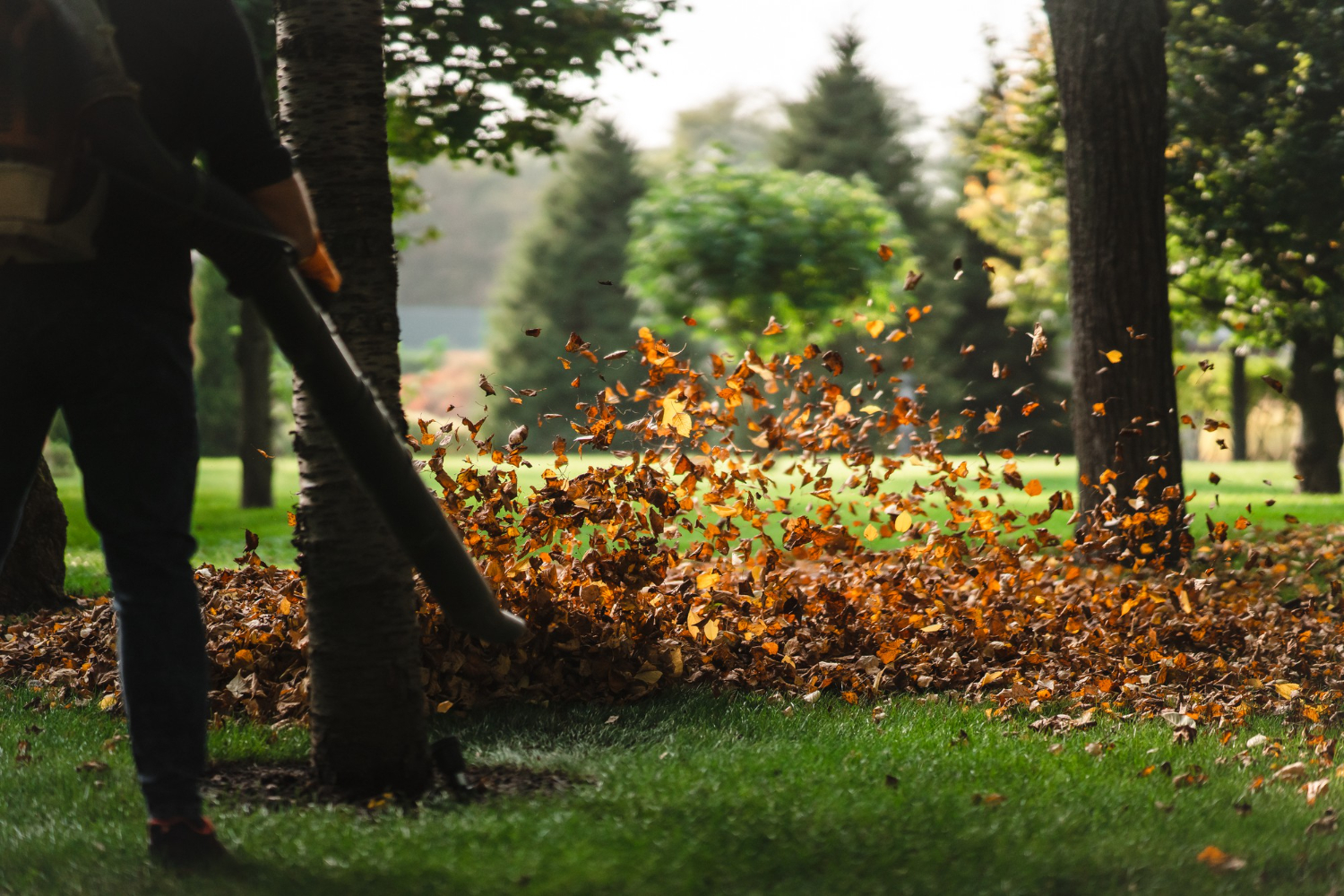
Tall grass and piles of leaves give ticks, mice, and spiders a place to hide. Mow regularly and rake leaves away from the edge of the house. Short grass is also easier to inspect, so you notice problems sooner.
A strip of bare ground or gravel along the foundation helps too. It leaves pests less cover and gives them a gap to cross before they reach your walls.
Be careful when watering near the house to avoid keeping the soil damp, which attracts pests like ants and termites.
6. Firewood, Bins, and Outdoor Extras
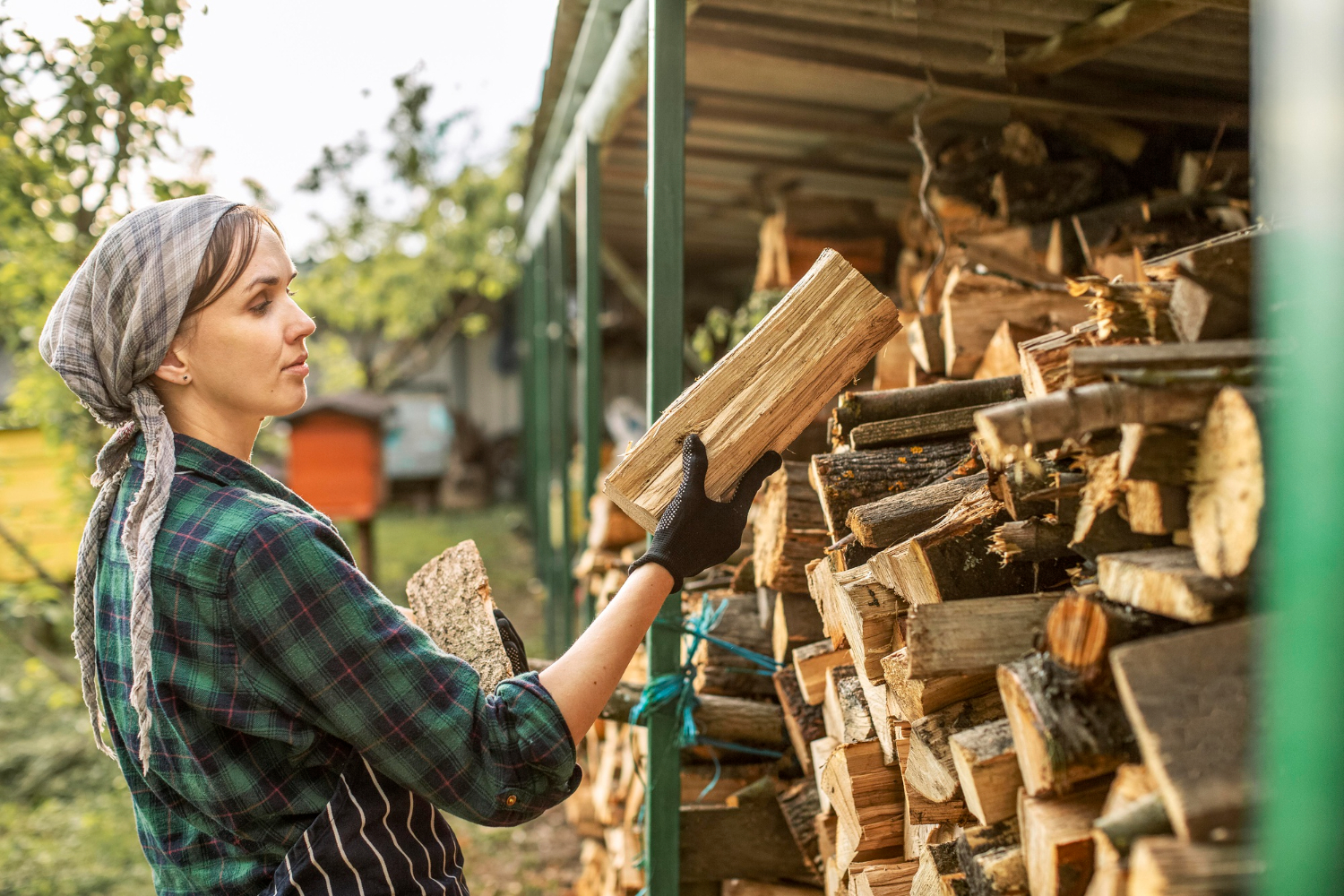
A woodpile is a ready-made home for termites, ants, and mice. Stack it off the ground and away from the house, and bring in only what you plan to burn soon, since insects can ride in on the logs.
Keep trash bins closed and away from your doors. Clean up after cookouts and pet feeding, and watch for spilled seed under bird feeders, which draws rodents. Compost piles and pet food bowls left out overnight do the same job, so move them or cover them.
Outdoor lights attract flying insects, which in turn attract spiders. Warmer-colored bulbs or motion sensors tend to draw fewer bugs.
Conclusion
Your yard sets the stage for pest problems long before anything shows up indoors. Mulch, shrubs, trees, water, and storage all involve small choices that either invite bugs and rodents close or give them a reason to stay away.
You don’t have to rip out your landscaping to fix it. Pull plants and mulch back from the walls, trim the branches, fix the damp spots, and move the woodpile. Those changes cost little and cut down on the pests that find their way inside. Over a season or two, you’ll likely notice fewer of them near your doors.
If pests keep coming back even after you’ve tidied up, ask a pest control professional to walk the property with you. They can spot the conditions you’ve gotten used to and tell you which ones are feeding the problem.