
Ceramic Window Film vs. Traditional Tint: Key Differences for Car Owners
The tiny ceramic particles are what are used in ceramic window film. However, not all window films offer the same benefits. The tested level of UV protection should be confirmed by the buyer. But not all window films are created equal. The knowledge of these differences can aid those who own a vehicle in choosing the appropriate film to purchase.
How Does It Work?
Traditional window tint is typically made from tinted film. It adds a darker layer to the car’s windows. This can help minimize the amount of sunlight and glare. It also provides additional privacy. A tint that is dyed is usually more affordable. It’s great for drivers who want a darker, more stylish look without breaking the bank. However, it can fade over time.
What is the difference between ceramic and solar window film?
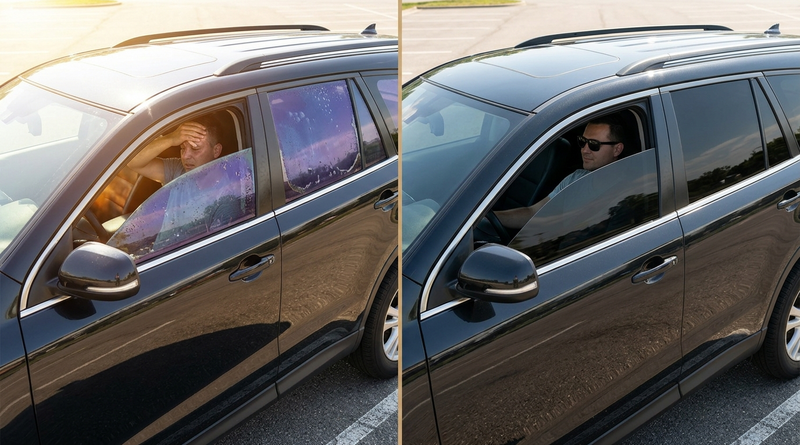
These particles regulate heat and sunlight. There’s no need for the film to be quite dark to perform well. It is a great choice for car owners in warm environments. It can be used to maintain cabin comfort. It can also help to minimize glare on sunny days.
Good quality ceramic films can have high infrared heat rejection. Many are also UV resistant. However, this does not apply to all products. Before purchasing, car owners should review the details of the film.
Heat Rejection and Driving Comfort
One of the main differences between these films is how much heat they reject. The original tint typically cuts down the visible light. It may have a limited heat control capacity. The ceramic film can prevent more infrared heat from passing through. This helps limit how much heat gets inside the caravan. It can also decrease the burden on the HVAC system.
UV Protection & Interior Care.
Over time, the interior of a car can be affected by sunlight. Seats may fade. Dashboards can lose their luster. Long exposure can affect other surfaces, too. Both traditional and ceramic films may offer UV protection. The level is dependent on the product.
Wiring, data, and control connections
Dark tint doesn’t necessarily mean high performance. Dark window tint can make night driving more difficult. It can also decrease visibility during inclement weather. You can get good heat control with ceramic film without making it very dark. This way, drivers have more flexibility. Drivers comparing the best window tint brand options should look beyond price.
Ceramic Film vs. Traditional Tint: Which One to Choose?
If you prefer traditional tint, you should consider it if:
- You prefer a more cost-effective initial investment.
- You want a darker window look.
- Simple glare reduction is required.
- You don’t drive much in extreme heat.
- Ceramic window film might be an option for you if:
- It’s a hot day, and you’re driving.
- Desire improved infrared heat control.
- You like to see clearly and to reject heat.
- You are thinking of buying a vehicle for the long term.
Window Tint and PPF Differ in Purpose
Window Tint and paint protection film serve different purposes. Window tint is not window paint protection film (PPF). Window film is put on glass. PPF is used to protect painted body panels. PPF protects against small stone chips, light scratches, and daily road debris. It can also aid in getting protection for high-impact areas like the bumpers, hoods, and side mirrors. For those looking for extra paint protection, the possibilities with TERMINAX PPF are endless.
Tips for getting the best results
Poor installation will only make a good film look bad. Slightly sized dust particles, bubbles, and irregular edges can impact the final appearance. When booking an installation, several things should be considered:
- Choose an experienced installer.
- Request samples of the various film shades.
- Dry-fit according to the installer’s instructions.
- Do not roll down new or fresh tint windows until advised.
- Use appropriate cleaners and soft cloths to clean tinted glass.
- Don’t pick a film by dark alone.
Conclusion
When installed, ask the installer about the film’s visible light transmission (VLT) and total solar energy rejection (TSER). These numbers enable you to make a fairer comparison of products. The infrared rejection value is not the final value. The proper film applied can help preserve the car’s finish and decrease visible wear.