
How Preventive Health Planning Is Changing the Way You Manage Everyday Wellness
You probably already track parts of your health without calling it that. Maybe you check sleep data, reorder supplements, or think about what you’d do if your regular doctor wasn’t available during a sudden issue. Preventive health planning turns those scattered habits into a more reliable system. It blends routine care, medical preparedness, and access to trusted guidance so you’re not making rushed decisions when something feels off.
Preventive health is becoming a planning habit, not just a yearly checkup
A lot of people still think healthcare starts when symptoms show up. That approach leaves you reacting under pressure, often with incomplete information and limited options. Preventive health planning works differently.
You build a framework before you need urgent help. That can include baseline lab work, medication lists, telehealth access, at-home diagnostics, and a clear understanding of your risk factors. If you travel often, have kids, manage chronic inflammation, or live far from your primary care provider, that framework matters even more.
The shift is practical. You’re not trying to predict every health event. You’re reducing friction when one happens. In healthcare operations, that kind of readiness improves continuity of care and cuts down on delayed decision-making, especially during weekends, holidays, or sudden supply shortages.
You need more than wellness trends if you want a system that actually holds up
Wellness content is everywhere, but most of it is fragmented. One video talks about hydration, another pushes a supplement stack, and a newsletter suggests cutting seed oils. Useful pieces, maybe, but not a system.
A real preventive strategy needs interoperability between habits, medical support, and logistics. You should know where to get clinician input, how to verify product quality, what symptoms deserve escalation, and which supplies make sense to keep on hand.
That’s part of the appeal behind companies offering integrated preparedness and wellness support. If you’re evaluating options like The Wellness Company, the important question isn’t whether the branding sounds polished. It’s whether the service helps you combine everyday wellness tools with actual medical access, continuity, and emergency planning in a way that fits real life.
At-home readiness matters more when the healthcare system feels harder to navigate
Booking delays, insurance confusion, pharmacy stock issues, and short appointment windows have changed how people think about access. Even when you have coverage, the user experience can still be clunky.
That’s pushed more households to think in terms of home-based readiness. Not panic buying. Not self-diagnosing every symptom. Readiness means having sensible supplies, knowing your care pathways, and reducing the odds that a small problem turns chaotic at 10 p.m.
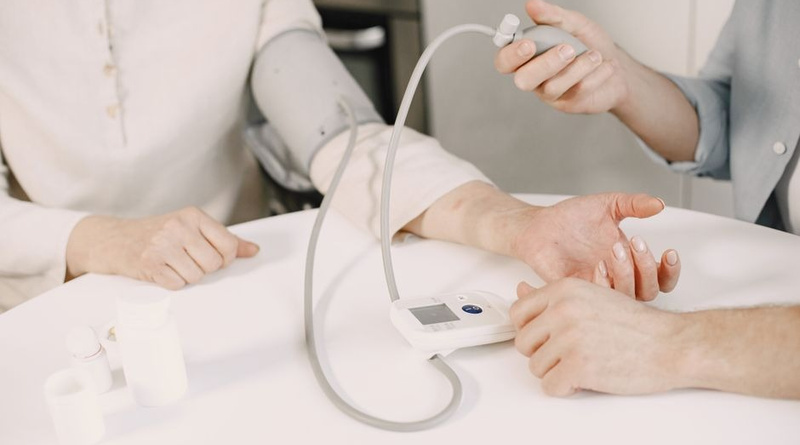
For example, if someone in your home gets recurring respiratory symptoms, it helps to already know which telemedicine route you trust, where your records are stored, and what monitoring tools are available. A pulse oximeter, a thermometer that actually works, and a documented medication history sound basic, but they prevent a surprising amount of confusion when timing matters.
Trust depends on clinical credibility, not just convenience
Convenience sells, but healthcare decisions need more than speed. You’re dealing with medical claims, treatment recommendations, and products that may affect real outcomes. Clinical oversight and transparent standards matter.
When you assess any wellness-focused provider, look past the front-end offer. Check whether licensed physicians are involved, whether protocols are explained clearly, and whether products are presented with realistic expectations instead of miracle language. Quality control, sourcing, and communication style all tell you a lot.
You should also notice how a company handles gray areas. Good providers acknowledge uncertainty, encourage follow-up when symptoms worsen, and avoid pretending every issue has a simple fix. That kind of restraint builds trust. In preventive care, credibility often comes from what a provider refuses to oversell, not just what it promises.
The smartest wellness plans account for stress, time, and decision fatigue
A health plan that only works when you’re calm and organized isn’t much of a plan. Real life is messy. You get busy, ignore early symptoms, forget refill dates, and postpone appointments because your schedule is packed.
Strong preventive planning reduces cognitive load. It gives you defaults. You know who to contact first, which products you’ve already vetted, and what information is stored where. That removes guesswork during low-energy moments.
Think about a common scenario: you wake up feeling awful before a workday, and every option feels inconvenient. If you already have a care workflow in place, you spend less time comparing clinics, searching symptoms, or guessing what belongs in your medicine cabinet. The value isn’t just medical. It’s operational. You preserve time, attention, and judgment when all three are in short supply.
Everyday wellness works best when it connects prevention with response
There’s a gap between lifestyle wellness and medical response, and most people feel it without naming it. You may eat well, exercise, and monitor sleep, then still feel unprepared when an acute issue shows up.
The more effective model connects both sides. Prevention covers the routines that support baseline health. Response covers what happens when those routines aren’t enough. You need both. Nutrition, movement, and sleep hygiene matter, but so do rapid access, treatment pathways, and practical readiness.
That combination is likely to shape the next phase of consumer health. People want autonomy, but they also want legitimate support. They want options at home without losing clinical grounding. If you build your wellness approach around that balance, you’re less likely to get pulled around by hype, and more likely to make steady, informed decisions when health stops feeling theoretical.