
How to Make Money from a Blog, Step 4 of 7: Make It Visual, Try to Go Viral
We’re to step for! To start this series from the beginning, visit my first post on blogging for money.
If you’ve been following the series, you already know to start with a niche topic and audience, develop a content plan, and provide awesome content by writing the ideal post type and length for your audience. Today, it’s about creating visual content. And tomorrow…the big one: finding the right monetization method!
Step 4.1: Find Good, Free Images
Blogs need to be visual. People not only respond well to visually and aesthetically pleasing content because it looks professional and clean, but because visual content actually makes people remember content better. The more visual you can make your website, the better.
Now…does that mean every post needs a picture? No, but the more you include, the better off you’ll be. And by “picture,” I mean you can create a graphic, cartoon, example, graph or chart, whatever. But the more visual you make it, the better. At the very least, organize and chunk your content into headings, sections, and lists.
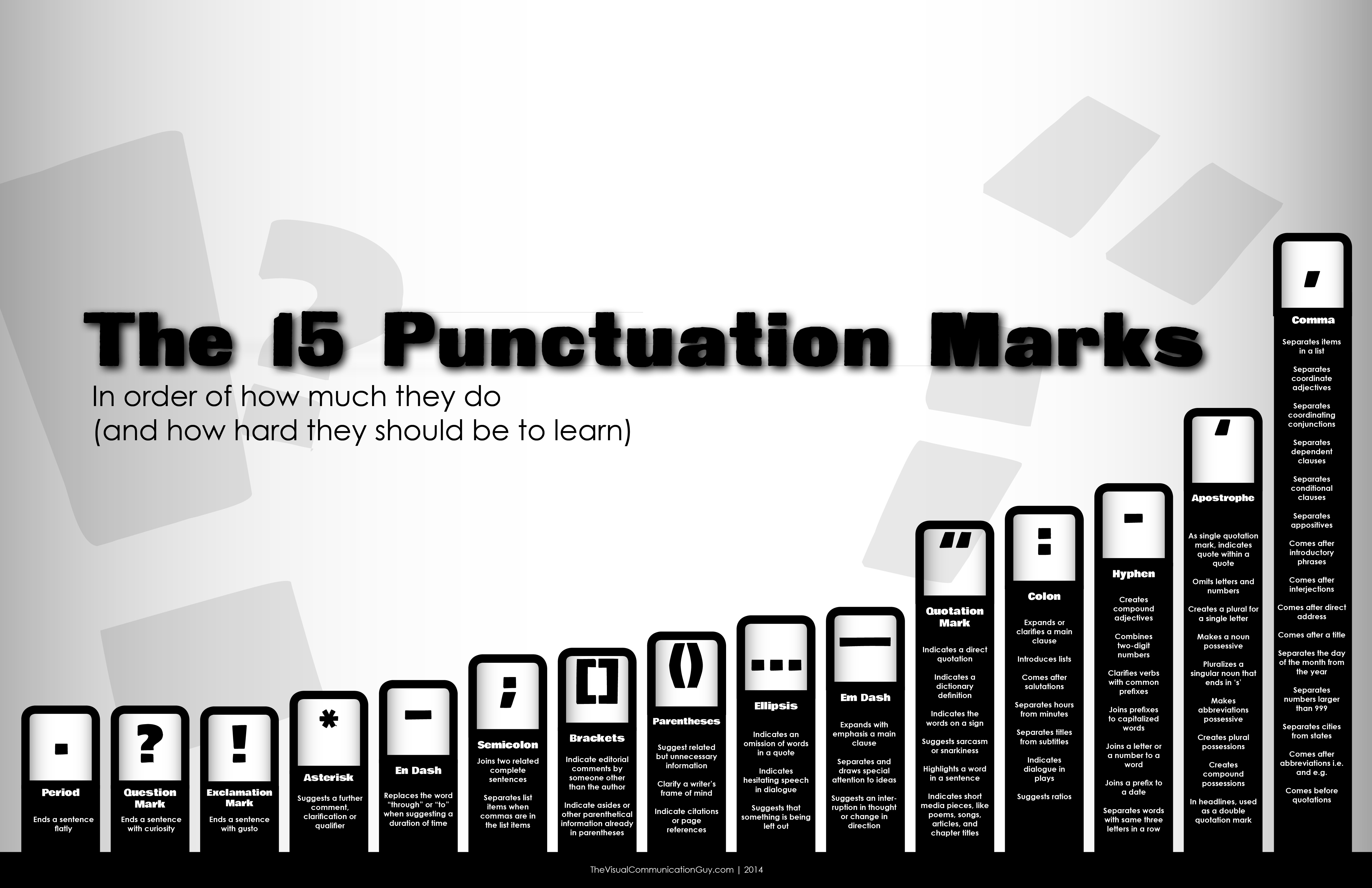
Remember that people share content that is more visually rich. Some of my most successful posts have come from when I published an infographic on a topic. (See, for example, my “15 Punctuation Marks” graphic, which was my first real successful post, and the one that really helped me start making money from my blog.)
So…where can you find good images? Here is a graphic (below) I created recently that gives you some great places to find images that are free to the public (public domain) or that only require a citation to use (Creative Commons). Avoid just pulling images from the internet. You should always be ethical when using images!

Step 4.2: Design an Infographic
While adding pictures to your posts will be an effective way to make your content more visual, the reality is they probably won’t really help your content go viral unless the photo is really funny, surprising, or controversial.
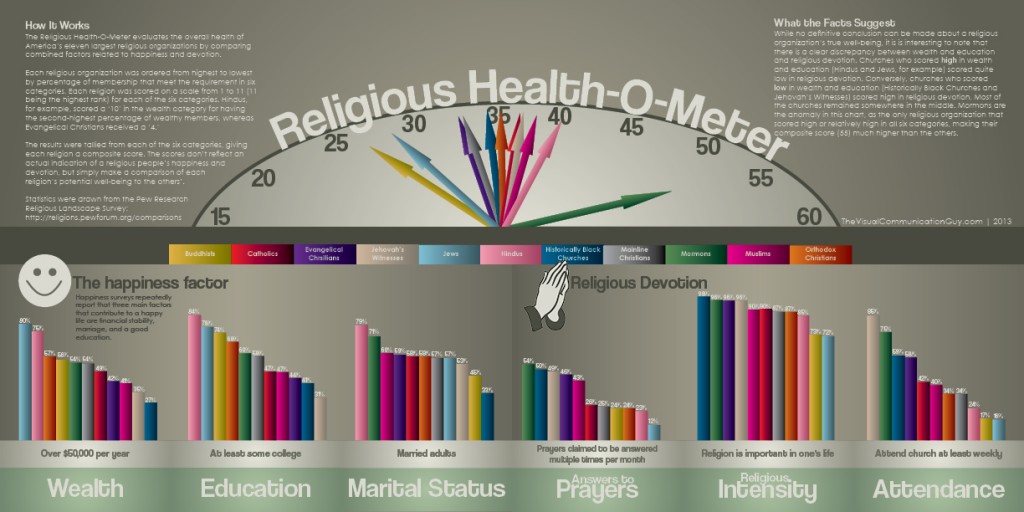
You’ll need to write content regularly and you won’t have the time to create infographics for every post. That just isn’t realistic. BUT…you should consider making an occasional infographic. Consider what topic(s) you cover and what your audience may be interested in viewing. Research data or other information and compile it into something visual. This can take some time and practice if you’re new to design, but it’s totally worth it. Just start small and see what you can come up with. Here are a few of mine that I created that have really given my website exposure:


Think creatively about how your content might work in visual format and explore ways to design something really “shareable.” Recognize that, if you want something to be spread quickly on the internet, it almost always needs to be visual and something you can post to social media. Infographics are a perfect option for this.
Step 4.3: Try to Make It Go Viral
There is no magic formula for this, of course (or else everyone would be doing it all the time), but if you can find ways to get people to share content, that’s how you’ll really get your blog’s name out there and how you’ll start making more money.
You might check out this quick 7-minute TED Talk by Kevin Allocca, who studies YouTube videos for a living.
What’s Allocca’s secret sauce for making content go viral? Three things:
- Tastemakers
- Communities of Participation
- Unexpectedness
I really recommend you watch the video, but to quickly summarize, these are how you can explore the three areas:
Tastemakers
The idea of “Tastemakers” is that you get your infographic or post into the hands of someone that is already influential. Most of my infographics didn’t go viral because I posted them on my own social media accounts or because my subscribers shared it. They went viral because a larger website (like Business Insider or Lifehacker) picked it up. If you can get your infographic or post out there in a way that others with influence can see it, you’re in a better position to go viral.
So how do you do that? It’s not easy, but you need to explore more options than just posting your content on your website. Reach out to other, established bloggers and see if they’ll post your content. Write to the editors of online magazines and see if they have interest in publishing your content. And post your stuff on discussion boards, Reddit channels, or sites like Visual.ly. These are avenues that other media publishers look for content.
If you can get others influences to post your content, you’ll really get a boost.
Communities of Participation
Work to create content that your readers will want to participate with. Can you create something that people will react to or want to write about? Can they modify it or have fun with it? If you can create something that encourages sharing or remixes, you end up creating communities of people participating in the content. Make it interesting, make people engage with, and you’ll be in a good position to make it go viral.
Unexepectedness
Lastly, attempt to create something people haven’t seen before. Catch them by surprise. I would have never expected that a periodic table on the figures of speech would be so popular, but it turns out that English teachers the world over hadn’t ever seen the figures of speech displayed like that. It wasn’t funny or controversial or even really all that interesting, but it was novel and unexpected. If you can told something familiar and turn it into something new, you’ll create something that surprises people. And people like to share surprises.
Conclusion
And that’s it for Step 4! If you can make your content visual and shareable, you’ll be in a stronger position to gain traffic faster. And the more people you get to your site, the more money will likely make!
Up next? Step 5 covers 15 different monetization methods you can implement into your blog!