
The Evolving Role of a Music Producer in the Digital Age
The music industry has undergone a significant transformation in the digital age, impacting every facet of the creative process, production, and distribution. The role of a music producer, traditionally defined as a guiding force in the studio, has adapted and expanded to accommodate the changing landscape. In this article, we’ll explore the evolving role of a music producer in the digital age and how technology has reshaped the way they approach their craft.
The Digital Revolution and Music Production
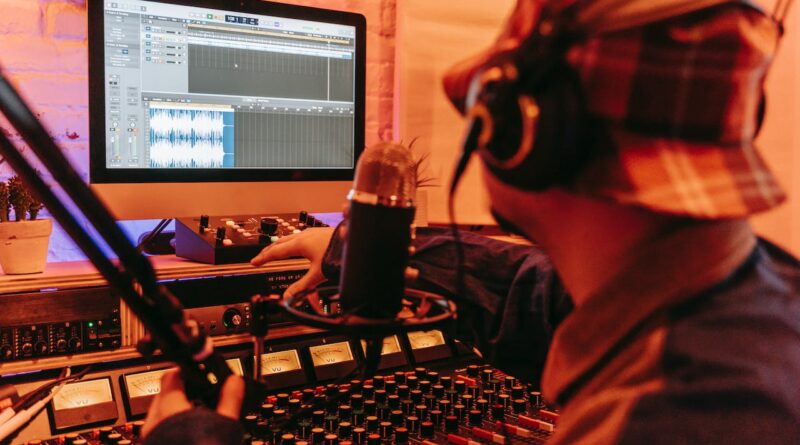
The digital revolution brought about a fundamental shift in the way music is produced and recorded. Digital audio workstations (DAWs) have replaced traditional analog recording methods, offering producers and musicians powerful tools for recording, editing, and manipulating sound. This shift has democratized music production, making it more accessible to aspiring producers and artists.
Wider Range of Responsibilities
In the digital age, music producers are expected to have a broader skill set. While their primary responsibility is still to guide the creative process and ensure a high-quality recording, many producers now take on additional roles, including:
- Sound Design: They are increasingly involved in sound design, creating unique and innovative sounds using synthesizers, virtual instruments, and digital effects.
- Mixing and Mastering: Some take on the mixing and mastering processes, ensuring that the final product meets professional standards for audio quality.
- Collaborative Work: Digital collaboration tools and platforms allow producers to work with artists and musicians remotely. This opens up new possibilities for cross-border collaborations and diverse creative inputs.
- Multimedia Integration: Many music producers are involved in multimedia projects, such as scoring for video games, films, and television. This requires an understanding of the synergy between music and visual elements.
- Music Technology: Staying updated with the latest production software and hardware is essential. Producers must continuously adapt to new technologies and tools to remain competitive.
In-Depth Understanding of Digital Tools
Digital technology has become a fundamental part of a music producer’s toolkit. They are expected to have a deep understanding of DAWs, virtual instruments, MIDI controllers, and audio interfaces. They use software synthesizers and effects to create, manipulate, and enhance sound.
The Role of Curation and A&R
In a digital age flooded with music releases, music producers often take on the role of curators and talent scouts. They must have a keen ear for emerging talent and be able to identify artists and musicians who have the potential to make an impact.
Producers work closely with emerging artists, helping them shape their sound, refine their songs, and navigate the complexities of the music industry. They also provide guidance on music marketing in the digital marketplace.
Accessibility and Independence
Digital technology has made music production more accessible than ever before. Aspiring producers can set up home studios with a relatively modest budget, enabling them to work independently and create music without the need for traditional recording studios.
This newfound independence has led to the rise of DIY (do-it-yourself) musicians and producers. Many artists take on the role of producer themselves, using their knowledge of digital tools to craft their sound. While this level of autonomy is liberating, it also challenges traditional notions of the producer’s role.
Conclusion
As the music industry continues to evolve in the digital age, music producers remain at the forefront of shaping the sonic landscapes of today’s music. Their ability to adapt to changing technology and harness its potential will determine their success and influence in an industry that thrives on innovation and creativity.